Your Rights as a Worker in Iceland

Every worker in Iceland is protected by the same labour laws and collective agreements, regardless of nationality. Wages, contracts, unions, work permits, and where to get help if something goes wrong.
Worker rights in Iceland
Iceland protects every worker equally, regardless of nationality. From the first day on the job, foreign employees are covered by the same labour laws and collective agreements as Icelandic citizens. Understanding worker rights in Iceland is essential for anyone starting a new job here.
Language barriers, unfamiliar systems, and dependence on an employer for a work permit can all create pressure to accept less than what the law requires. None of that changes what you are owed. The protections are automatic and unconditional. For a broader overview of the relocation process, see our guide to moving to Iceland.
How wages are set
Iceland has no statutory minimum wage. Instead, wages are determined through collective bargaining agreements negotiated between trade unions and employer associations. These agreements set minimum pay rates by sector, role, and experience level.
According to the official government resource posting.is, a general worker aged 22 or older earns a minimum gross monthly salary in the range of 484,000 to 498,000 ISK (as of January 2026), depending on the sector. Cleaning and general construction sit around 492,000 ISK, while restaurant and catering work starts at roughly 486,000 ISK. Qualified tradespeople with a journeyman's diploma earn significantly more, with minimums around 627,000 ISK.
Office and retail workers covered by the VR union typically have higher starting rates than general labour. The effective minimum for full-time unskilled work is approximately 513,000 ISK gross per month when shift premiums and other contractual additions are included (as of January 2026).
All figures are adjusted periodically under multi-year collective agreements. Workers should check with their union for the most current rates. For average earnings across professions, see our salary guide.
Collective agreements also establish rules for overtime pay, shift premiums, holiday bonuses, and other compensation. These are minimum terms. Employers can always offer more, but they can never offer less. Any clause in an employment contract that falls below the applicable collective agreement is invalid under Icelandic law. This is one of the strongest worker rights protections in Iceland and applies to every employee.
The employment contract
Every worker in Iceland is entitled to a written employment contract. The contract should specify the job title, duties, working hours, wages, the applicable collective agreement, and the pension fund the worker will contribute to. Workers should receive the contract before starting work.
A written contract matters for practical reasons. It defines what the employer has agreed to and provides a reference point if a dispute arises. Reports from worker advocacy groups in Iceland have documented that missing contracts are strongly linked to wage theft, sudden schedule changes, and other violations.
If an employer avoids providing a written contract, treat it as a warning sign. Do not start work without one.
Core worker rights in Iceland
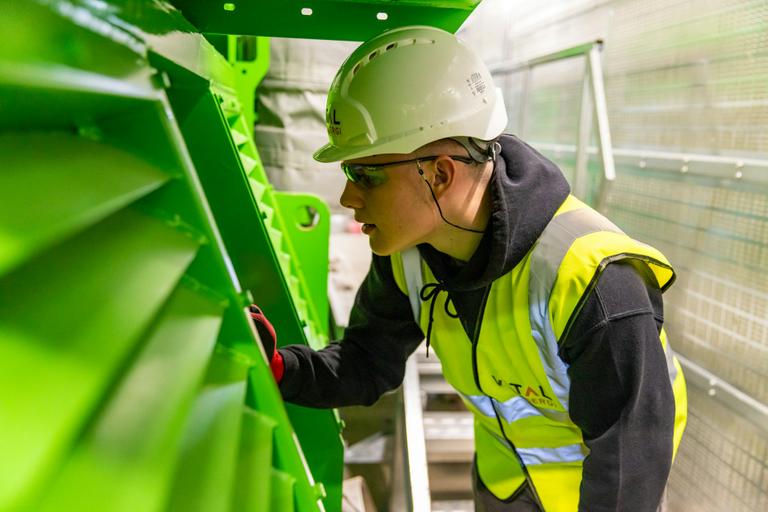
Working hours and rest. A standard full-time workweek is 40 hours. Workers must receive at least 11 consecutive hours of rest in every 24-hour period and at least one full day off per week. Overtime must be compensated at a premium rate defined in the relevant collective agreement.
Annual leave. Workers earn a minimum of 24 paid vacation days per year. Many collective agreements provide 25 to 30 days, increasing with tenure. Vacation pay is calculated as 10.17% of total wages and rises with years of service.
Sick leave. During the first year with a new employer, workers accrue two paid sick days per month. After one year of continuous employment, the entitlement rises to two months of paid sick leave. After five years with the same employer, four months. After ten years, six months. Workers who change employers after five years retain a minimum entitlement of two months at the new workplace.
Parental leave. Each parent is entitled to six months of paid parental leave, with an additional six weeks that can be shared between them. Payments come from the Fæðingarorlofssjóður (Parental Leave Fund) at 80% of average salary, up to a monthly cap. For more on what to expect, see our guide to having a baby in Iceland.
Holiday bonuses. Workers receive an orlofsuppbót (holiday bonus) paid in June and a desemberuppbót (December bonus) paid in December, provided they meet minimum employment thresholds set by their collective agreement.
Pension contributions. The worker contributes a minimum of 4% of gross wages, and the employer must contribute at least 11.5% (as of 2026). For EEA citizens, pension rights remain in the Icelandic system and can be claimed at retirement age. Non-EEA workers may apply for a refund of their personal contributions when they leave Iceland permanently.
Equal treatment. Icelandic law prohibits discrimination based on gender, race, nationality, sexual orientation, religion, or disability. In 2018, Iceland became the first country to require mandatory equal pay certification, placing the burden on employers to prove they pay men and women equally.
Rules for EEA and EFTA citizens
Citizens of EEA and EFTA countries (all EU member states, Norway, Liechtenstein, and Switzerland) do not need a work permit in Iceland. They can begin working immediately upon arrival.
Anyone staying longer than three months must register with Þjóðskrá Íslands (Registers Iceland) at skra.is and obtain a kennitala (national ID number). This number is necessary for employment, banking, healthcare, and most public services. Our kennitala guide explains the registration process.
EEA citizens have full freedom to change employers at any time without notifying immigration authorities or obtaining new permits.
Rules for non-EEA workers
Workers from countries outside the EEA and EFTA face a more regulated process.
Work permits are employer-specific. A work permit is tied to a specific employer and a specific role. Changing jobs requires a new work permit application, and the new permit must be granted before the worker can start in the new position. Starting work without a valid permit can result in fines or imprisonment for both the worker and the employer.
The employer applies. The employer submits the work permit application to the Útlendingastofnun (Directorate of Immigration), which coordinates with the Vinnumalastofnun (Directorate of Labour). Processing typically takes 4 to 12 weeks, though it can be longer during busy periods.
Union approval is required. Before a work permit is issued, the relevant trade union must confirm that the salary and conditions in the employment contract meet the standards of the applicable collective agreement.
Permit duration and family rights. Expert work permits are valid for up to four years. Foreign nationals who complete university studies in Iceland can receive a residence permit for up to three years after graduation to search for work. Spouses and children of workers holding expert permits can work in Iceland without a separate work permit.
Tax discount for foreign experts. Workers who qualify as foreign experts are taxed on only 75% of their income for the first three years. The application must be submitted to Rannís (the Icelandic Centre for Research) within three months of starting work. For more on how income tax works in Iceland, see our tax system guide.
For the full work permit application process, see our work permit guide.
Trade unions in Iceland
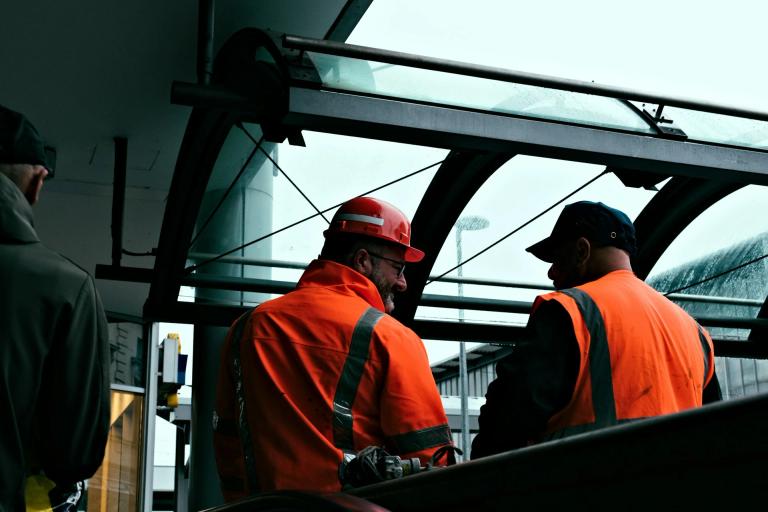
Collective agreements are legally binding for all workers in a given sector and geographic area. This means that even non-members benefit from the wage floors, overtime rules, and protections that unions negotiate.
Union fees are typically 0.7% to 1% of salary and are deducted automatically from wages. In return, members gain access to legal assistance, education grants, sick pay funds, vocational rehabilitation, subsidised vacation houses, and gym reimbursements, among other benefits.
The largest unions include:
Efling covers general workers in the Reykjavík capital area across hospitality, healthcare, construction, manufacturing, and food service. Visit the Efling website
VR covers retail, office, and service workers and is the largest single union in Iceland with roughly 40,000 members. Visit the VR website
Sameyki covers public sector and general workers in various municipalities. Visit the Sameyki website
The umbrella organisation for most private-sector unions is ASÍ (Alþýðusamband Íslands), the Icelandic Confederation of Labour. Visit the ASÍ website
Workers can identify the correct union for their role by checking their employment contract, asking colleagues in similar positions, or contacting ASÍ directly.
What to do if something goes wrong
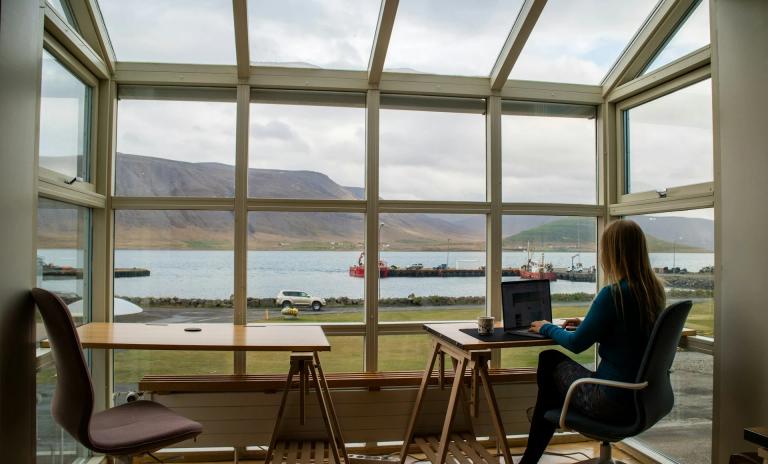 If wages are incorrect, a contract is missing, overtime is unpaid, or working conditions violate the collective agreement, workers have several options.
Contact your trade union. This should be the first step. Unions employ legal staff who handle disputes with employers on behalf of members. Consultations are confidential. Even workers who are not full members are still covered by the collective agreement and can seek guidance.
Contact the Multicultural Information Centre (MCC). The MCC is part of the Directorate of Labour and provides free, confidential counselling for immigrants in English, Polish, Ukrainian, Spanish, Arabic, Russian, and several other languages. Visit the MCC website
Get free legal advice. The Icelandic Human Rights Centre offers free legal counselling for immigrants at its office in Reykjavík. Interpreters are available at no charge. Visit the Human Rights Centre website
File a complaint with the Directorate of Labour. The Vinnumalastofnun handles complaints about employment terms, wages, and labour law compliance. It also supervises temporary work agencies and monitors for social dumping. Visit the Directorate of Labour website
Contact the Administration of Occupational Safety and Health. For workplace safety concerns, hazardous conditions, or health risks on the job. Visit the Occupational Safety website
Report discrimination. Jafnréttisstofa (the Equality Centre) handles complaints about gender discrimination and equal pay violations. For broader discrimination complaints, the Icelandic Human Rights Centre can advise on next steps.
Workers should keep copies of their employment contract, all payslips, records of hours worked, and any written communication with their employer. This documentation is essential if a dispute reaches formal proceedings.
Key resources
Resource | Website | What they help with |
|---|---|---|
ASÍ (Confederation of Labour) | Union information, collective agreements, labour law | |
Efling | Union services for general workers in Reykjavík area | |
VR | Union services for retail, office, and service workers | |
Multicultural Information Centre | Free counselling for immigrants in multiple languages | |
Icelandic Human Rights Centre | Free legal counselling for immigrants | |
Directorate of Labour | Work permits, complaints, unemployment | |
Posting.is | Minimum wages by sector, work hours, posted worker rights | |
Directorate of Immigration | Residence permits, visa questions | |
Work in Iceland | Official portal for working in Iceland | |
Registers Iceland | National ID (kennitala), address registration |
Frequently asked questions
Does Iceland have a minimum wage?
No statutory minimum wage exists. Wages are set through collective bargaining agreements between trade unions and employer associations. The effective minimum for full-time unskilled work is approximately 513,000 ISK gross per month when contractual additions are included (as of January 2026). The exact figure depends on the sector and applicable collective agreement.
Do I have to join a union?
Union membership is not legally required, but around 90% of workers in Iceland are covered by collective agreements regardless of membership. Joining a union gives you access to legal assistance, education grants, sick pay funds, and other benefits. Fees are typically 0.7% to 1% of salary and are deducted automatically.
Can I change jobs on a work permit?
EEA citizens can change employers freely at any time. Non-EEA workers on employer-specific work permits must apply for a new permit before starting a new job. The new employer submits the application, and the worker cannot begin the new role until the permit is approved.
What if my employer is not paying me correctly?
Contact your trade union first. They have legal staff who handle wage disputes on behalf of members, and consultations are confidential. You can also contact the Multicultural Information Centre for free, multilingual advice, or the Icelandic Human Rights Centre for free legal counselling. Keep copies of all payslips and records of hours worked.
Do non-EEA workers get the same worker rights in Iceland as citizens?
Yes. All workers in Iceland are covered by the same labour laws and collective agreements, regardless of nationality or visa status. The only differences relate to administrative requirements: non-EEA workers need employer-specific work permits and face restrictions on changing jobs without a new permit.
Can I get my pension contributions back if I leave Iceland?
Non-EEA workers may apply for a refund of their personal pension contributions (the 4% employee share) when they leave Iceland permanently. The employer's contribution (at least 11.5%) stays in the Icelandic pension system. EEA citizens retain their pension rights within the system and can claim them at retirement age.
Last updated: March 2026
Helping you navigate your move and settling in the land of fire and ice.