Updated Mar 22, 2026 · Published Jul 18, 2020 · 12 min read
Share this guide
Iceland's weather is milder than its name suggests but far more volatile than most newcomers expect. Average temperatures, daylight hours, wind patterns, and regional differences explained for residents.
Founding Editor
Helping you navigate your move and settling in the land of fire and ice.
What winter in Iceland is actually like for residents, from the 4-hour December days and unpredictable weather to geothermal pools, Northern Lights, and the festivals that carry people through the dark months.
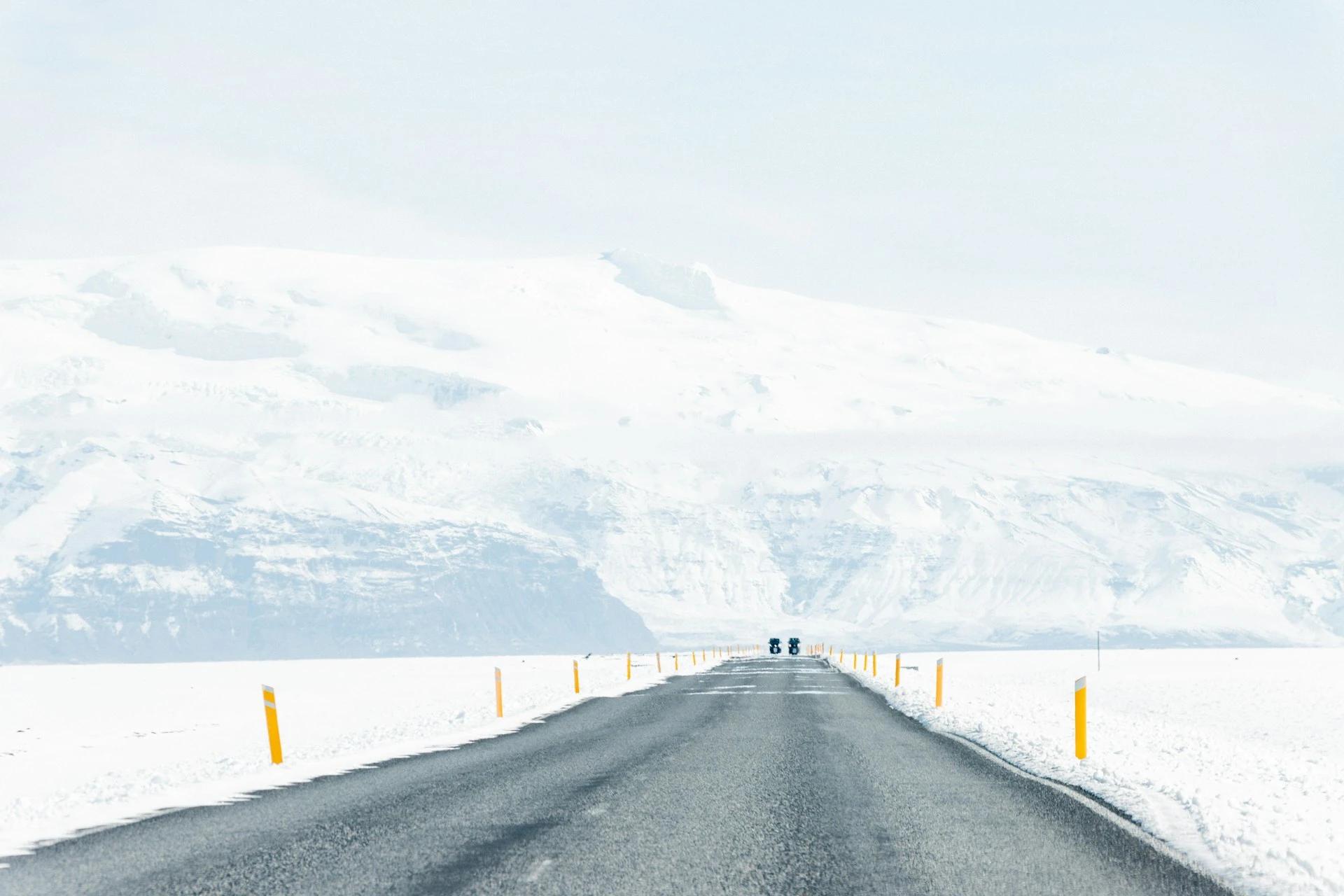
A practical guide to winter driving in Iceland covering tire laws, vehicle choice, road closures, wind hazards, emergency resources, and the 2026 kilometer road tax.
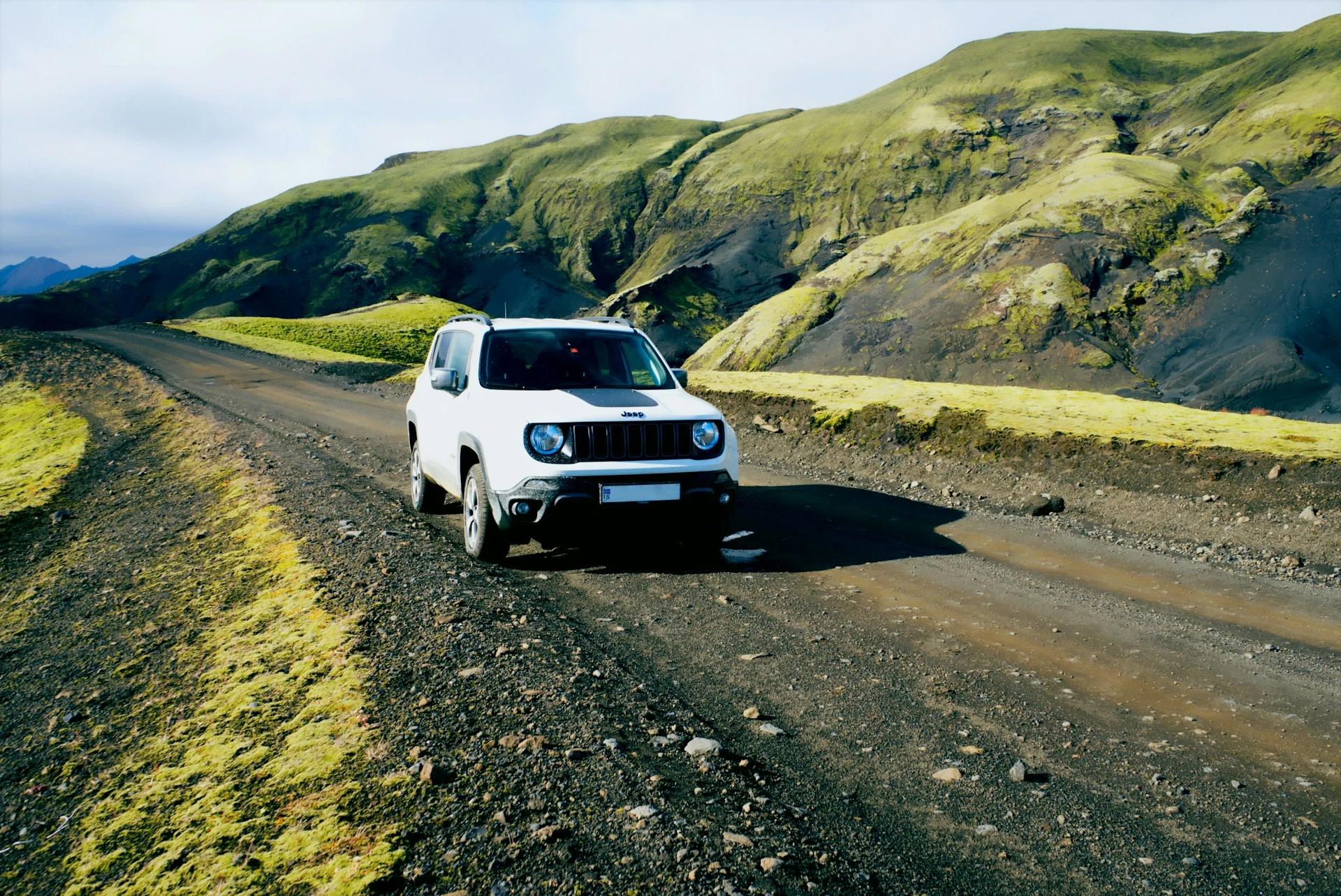
F-roads are Iceland's unpaved highland routes, open only in summer and restricted to 4x4 vehicles. Key routes, opening dates, river crossing safety, and the rules that apply.
What to expect from the weather when you move to Iceland
Iceland’s climate is milder than its name suggests, but more volatile than most newcomers expect. The country sits at 64°N, just below the Arctic Circle, yet Reykjavik’s average winter temperature hovers around 0°C (32°F), comparable to New York City or Berlin. That relative warmth comes from the Gulf Stream, which carries warm Atlantic water north along Iceland’s southern coast. Without it, Iceland would be far colder.
The real challenge is not temperature. It is wind, darkness, and the sheer unpredictability of it all. Icelanders have a saying: “If you don’t like the weather, wait five minutes.” On any given day, especially in spring and autumn, you can experience sunshine, rain, sleet, and gale-force winds within a few hours. This is normal.
If you are planning to move to Iceland, understanding the climate is one of the most practical things you can do. It affects what you wear, how you commute, where you live, and how you feel, particularly during the long, dark winters.
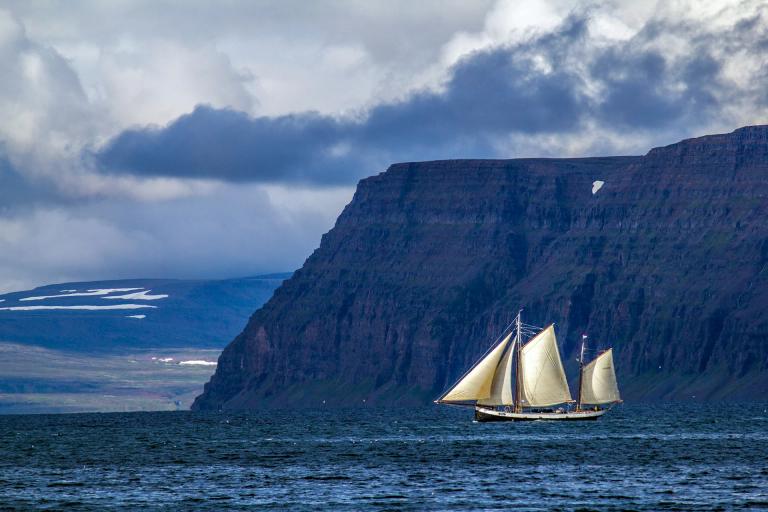
A sailboat sails along the Icelandic coastIceland’s climate makes no sense on a map. At the same latitude, you find the Greenland ice sheet, northern Alaska, and central Siberia. Reykjavik, by contrast, rarely drops below -10°C even in the coldest winters.
The reason is the North Atlantic Drift, an extension of the Gulf Stream that originates near the Gulf of Mexico and carries warm water across the Atlantic. One branch flows toward Iceland’s south and west coasts, raising temperatures several degrees above what the latitude would otherwise produce.
This warm current collides with colder Arctic water flowing down from the north, and that collision is what makes Icelandic weather so unstable. Warm, moist Atlantic air meets cold, dry Arctic air over the island, producing rapid shifts in temperature, cloud cover, and precipitation. It is also why the south and west tend to be warmer and wetter, while the north and east are colder and drier.
Month by month
All temperatures below are approximate averages for Reykjavik unless noted. Conditions vary by region (see Regional differences).
January and February
The coldest months. Average highs around 2°C (36°F), lows around -2°C (28°F). Snow is common, though rain and sleet are equally likely at sea level. Wind is at its strongest, with storms frequent from December through February. Daylight is scarce: roughly 5 to 7 hours in January, increasing to about 9 hours by late February. These are the months that test new residents the most, and they are also prime Northern Lights season.
March and April
Winter loosens its grip slowly. March is still cold, with temperatures around 0 to 4°C (32 to 39°F), and it is actually the snowiest month in Reykjavik by frequency. April brings longer days (13 to 16 hours of daylight) and the first hints of spring, though snow can still fall into May. Average temperatures in April reach 3 to 6°C (37 to 43°F). The weather remains highly changeable.
May and June
Spring arrives in earnest. May temperatures climb to 6 to 10°C (43 to 50°F), and by June the average high is around 12°C (54°F). June is Reykjavik’s driest month, with roughly 50 to 80mm of precipitation. The big shift is daylight: by mid-June, the sun barely sets. Reykjavik gets about 21 hours of daylight around the summer solstice on June 21, and it never gets truly dark. This is the midnight sun period, and it transforms daily life.
July and August
The warmest months. July averages around 13 to 14°C (55 to 57°F), with occasional warm spells pushing temperatures to 20 to 25°C (68 to 77°F). August is similar but slightly cooler, with nights beginning to darken again by month’s end. Rain picks up in August compared to June and July. These are the most pleasant months for outdoor life, and the reason Icelanders spend as much time outside as possible during summer.
September and October
Autumn arrives fast. September starts mild, around 10°C (50°F), but temperatures drop steadily. The south coast sees its heaviest rainfall in September (up to 215mm in some areas). October brings the first real cold, with average temperatures around 4 to 7°C (39 to 45°F), the return of frost, and rapidly shrinking daylight. By late October, you are down to about 9 hours of light. The Northern Lights return.
November and December
Winter settles in. November averages around 1 to 3°C (34 to 37°F) with only 5 to 6 hours of daylight by month’s end. December is the darkest month: around the winter solstice on December 21, Reykjavik gets roughly 4 to 5 hours of daylight, with sunrise near 11:30 AM and sunset around 3:30 PM. Snow, rain, and strong winds are all common. December is also when electricity bills feel worth every króna, thanks to Iceland’s geothermally heated homes.
Regional differences
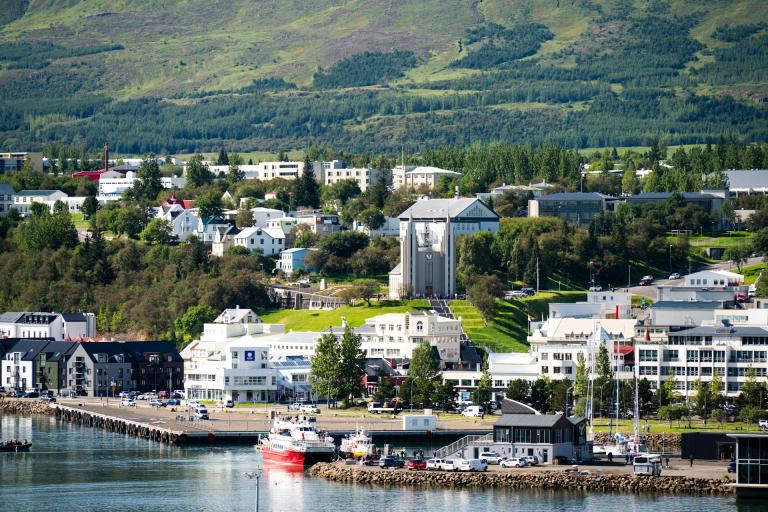
Akureyri - the capital of northern Iceland
Iceland is small, but conditions vary meaningfully by region.
South and west (including Reykjavik)
Warmer and wetter. The Gulf Stream’s influence is strongest here. Reykjavik’s long-term average is about 5°C annually (1991 to 2020 baseline), with roughly 800 to 1,400mm of precipitation per year. Rain is more common than snow at sea level, even in winter. Wind exposure is high, especially along the south coast.
North (Akureyri and surroundings)
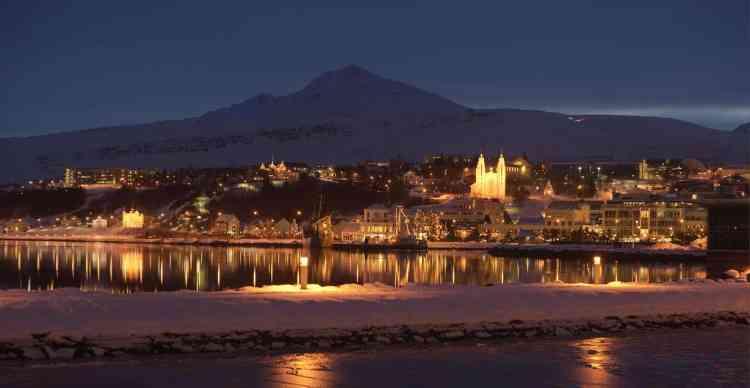
Colder and drier. Akureyri, Iceland’s northern capital, averages about 550 to 1,275mm of annual precipitation, significantly less than Reykjavik. Winters are snowier and colder, with temperatures regularly dropping below -5°C (23°F). Summers are surprisingly pleasant. Akureyri occasionally records the country’s highest summer temperatures thanks to its sheltered position at the base of a fjord. Winter days are shorter than in Reykjavik, but the skiing is better.
East
The most continental climate in Iceland. Summers can be warmer than elsewhere (the east regularly records Iceland’s highest temperatures), but winters are harsh, with more persistent cold snaps. The east is drier than the south and less windy than the west. Egilsstaðir recorded 29.8°C on August 16, 2025, the highest August temperature in Iceland’s history.
Highlands and interior
Off-limits in winter. The central highlands are a volcanic desert with near-Arctic conditions, strong winds, and no permanent settlement. F-roads are only open from roughly mid-June to September. Temperatures in the highlands are significantly colder than the lowlands year-round.
Daylight and darkness
The daylight cycle is, for many residents, a bigger adjustment than temperature. Iceland’s latitude means extreme variation between seasons.
Month
Approximate daylight (Reykjavik)
December 21 (winter solstice)
~4 to 5 hours
January
5 to 7 hours
February
8 to 10 hours
March equinox
~12 hours
April
14 to 17 hours
May
17 to 20 hours
June 21 (summer solstice)
~21 hours (never fully dark)
July
19 to 21 hours
August
15 to 18 hours
September equinox
~12 hours
October
9 to 11 hours
November
6 to 8 hours
The midnight sun is not a single night. From late May through late July, Reykjavik experiences continuous twilight or daylight, and the sky never fully darkens. Only Grímsey island, which sits on the Arctic Circle, experiences the true midnight sun where the sun does not dip below the horizon at all.
The flip side is the winter darkness. From late November through mid-January, functional daylight is limited to a few hours around midday. The sun rises late and hangs low on the horizon before setting in the early afternoon. This period is genuinely difficult for newcomers. Seasonal Affective Disorder (SAD) is a real consideration, and staying active, socializing, and using daylight lamps all help. Our guide to winter in Iceland covers coping strategies in depth.
Wind
Wind is the defining feature of Iceland’s weather that catches most newcomers off guard. It is not the cold that makes winter feel harsh; it is the wind chill.
Iceland’s average wind speed is around 5 to 6 m/s (12 to 13 mph), but this number is deceptive. Winter averages rise to roughly 6 to 7 m/s (14 to 16 mph), and storms regularly bring gusts of 25 to 35 m/s (56 to 78 mph). On exposed stretches of road, wind can exceed 40 m/s (90 mph) during severe storms. Iceland’s all-time strongest gust was 74.2 m/s (267 km/h).
The stormiest period runs from October through March, with December through February being peak months. During storms, schools may close, flights get delayed, and driving becomes dangerous or impossible in exposed areas. Road.is is the essential resource for checking conditions before any trip outside town. Our winter driving guide covers how to handle these conditions safely.
Practical tips for wind: always hold your car door when opening it (Icelanders learn this early, as wind-caught doors are a top insurance claim). Layer clothing rather than relying on a single heavy coat. And check the forecast every morning, because a calm sunrise can become a windy afternoon without much warning.
What to wear
Layering is not a suggestion in Iceland. It is a survival strategy in winter and a comfort strategy in summer.
Winter (October through April)
A thermal base layer, a fleece or wool mid-layer, and a windproof, waterproof outer shell. Warm hat, gloves, and a scarf or neck gaiter. Waterproof boots with good grip (ice is a constant hazard on sidewalks from November through March). Icelandic wool sweaters (lopapeysa) are popular for good reason: they are warm, breathable, and handle moisture well.
Summer (May through September)
Lighter layers, but still bring a waterproof jacket and a warm fleece. Summer days that start at 15°C can drop to 8°C with wind and rain by afternoon. Shorts weather does happen, but it is rarely more than a few days at a time.
Good brands widely available in Iceland include 66°North (Icelandic, premium), Cintamani (Icelandic, mid-range), and ZO-ON (budget-friendly basics). International outdoor brands like Arc’teryx and Patagonia are also available but at higher prices than abroad.
Climate change and recent records
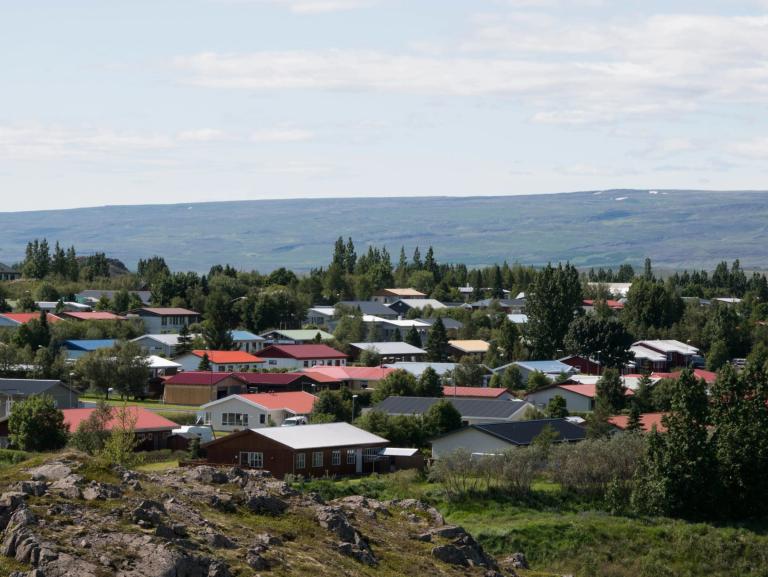
Residential houses in Egilsstaðir, in Eastern Iceland
Iceland’s climate is warming. The year 2025 was Iceland’s warmest on record, with an annual average of 5.2°C, which is 1.1°C above the 1991 to 2020 baseline (as of March 2026, per the Icelandic Met Office).
Spring 2025 was the warmest spring ever measured in Iceland, with a record-breaking May heatwave lasting about 10 days. In August, Egilsstaðir Airport in the east reached 29.8°C, the highest August temperature in Icelandic history. Iceland’s all-time temperature record remains 30.5°C, set in the eastern fjords in 1939.
For residents, warming is noticeable. Glaciers are retreating visibly (Vatnajökull, Europe’s largest glacier by volume, has lost significant mass in recent decades). Winters in Reykjavik are increasingly rain-dominated rather than snow-dominated. Growing seasons are getting longer, and some farmers are now growing crops that would have been impossible a generation ago.
This does not mean Iceland is becoming warm. It means the baseline is shifting. Winters are still dark, windy, and cold by most standards. But the trend is clear, and anyone moving to Iceland now will experience different weather patterns than someone who arrived 20 years ago.
Frequently asked questions
How cold does Iceland actually get in winter?
Reykjavik’s average winter temperature is around 0°C (32°F), and most winter days stay between -5°C and 5°C. Truly extreme cold (below -15°C) is rare in the southwest but more common in the north and east. Wind chill is the bigger factor: a -2°C day with 20 m/s wind feels far colder than -10°C in still air.
Does it snow a lot in Iceland?
It depends on where you are. In Reykjavik, snow falls regularly from October through May, but it often melts quickly at sea level because of the Gulf Stream’s warming effect. Rain and sleet are just as common as snow in the capital during winter. In the north and at higher elevations, snow accumulates more and lasts longer. March is actually the snowiest month in Reykjavik by number of snow days.
What is the best time of year to move to Iceland?
Late spring (May or June) is ideal. Daylight is long, the weather is at its mildest, and you have the full summer ahead to settle in and explore before winter arrives. Arriving in November or December adds the challenge of adjusting to a new country in near-total darkness.
How do Icelanders cope with the winter darkness?
Staying active, maintaining social connections, using the geothermal swimming pools (which are open year-round and very much part of daily life), and light therapy lamps. The swimming pools are heated to 38 to 44°C and are used even in blizzards. The cultural rhythm also helps: Icelanders embrace the hygge-like concept of coziness during winter, with candles, reading, and hot chocolate. See our guide to winter in Iceland for more.
Is the weather in Iceland getting warmer?
Yes. 2025 was Iceland’s warmest year on record, with an annual average 1.1°C above the 1991 to 2020 baseline. Glaciers are retreating, winters are becoming rainier in the south, and growing seasons are longer. The country is still cold by global standards, but the trend is unmistakable.
What is the windiest time of year?
October through March, with December through February as peak storm season. Winter storms can bring sustained winds over 25 m/s (56 mph) and gusts exceeding 40 m/s (90 mph). Always check road conditions and weather warnings before traveling in winter.