Typical monthly utility costs for a standard apartment (as of 2026):
Heating, electricity, and water combined: 10,000–20,000 ISK ($80–$160 USD).
Internet (fiber, unlimited): 5,000–9,000 ISK ($40–$72 USD).
Mobile phone plan: 2,500–4,500 ISK ($20–$36 USD).
For context, a comparable heating bill in Oslo, Stockholm, or Copenhagen can easily run two to four times higher, especially during winter months. This is one of the genuine financial advantages of living in Iceland that newcomers often overlook.
Hot water from the tap may carry a faint sulfur smell due to its geothermal origin. This is completely normal, safe, and something you stop noticing within a week.
One caveat: costs can be significantly higher in parts of the country that rely on electric heating rather than geothermal hot water, particularly in some rural and eastern regions. If you are considering living outside the capital area, ask about the heating source before signing a lease.
Transport
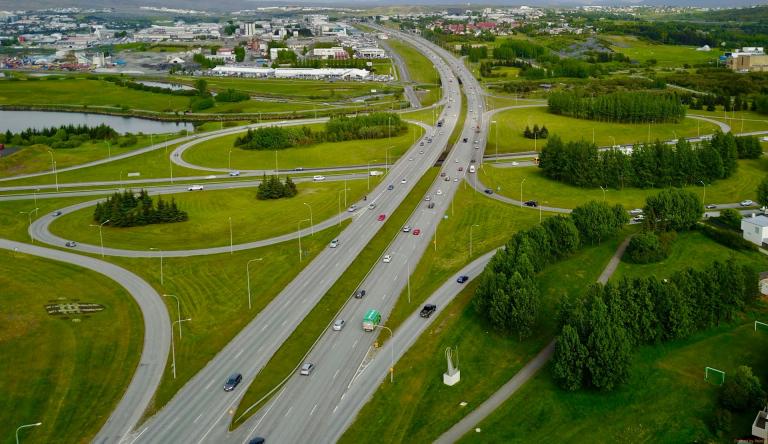 Iceland has no railway system. Within the Reykjavik capital area, your options are driving, the public bus system (Strætó), taxis, cycling, or walking. Hopp, Iceland's main mobility app, also offers e-scooters, car-sharing, and taxi booking through a single app. E-scooters are available in Reykjavik and many smaller towns across the country.
Public transport: The Strætó bus network covers the capital area reasonably well. Payment is handled through the Klappið app or you can simply pay with your credit, debit card or phone payment (tap to pay). A single ride costs 690 ISK ($5.60 USD). A monthly pass runs about 11,600 ISK ($94 USD), making it one of the more affordable line items in your budget.
Driving: Most residents in Iceland own a car, especially families and anyone living outside the city center. Car ownership costs add up quickly:
Fuel (petrol): approximately 185–220 ISK per liter at the pump (as of early 2026). Note that Iceland removed fuel taxes in January 2026 and replaced them with a distance-based road tax (kílómetragjald), which is charged separately. The pump price dropped significantly, but total driving costs depend on how far you drive. Monthly fuel costs for a typical commuter in the capital area still run roughly 20,000–35,000 ISK, depending on distance and vehicle.depending on your commute
Insurance: 10,000–20,000 ISK per month depending on coverage and vehicle
Parking: free in most residential areas, but metered downtown
For those planning to buy a car, our guide to buying a car in Iceland covers the full process. Our car marketplace shows current listings from dealerships across the country.
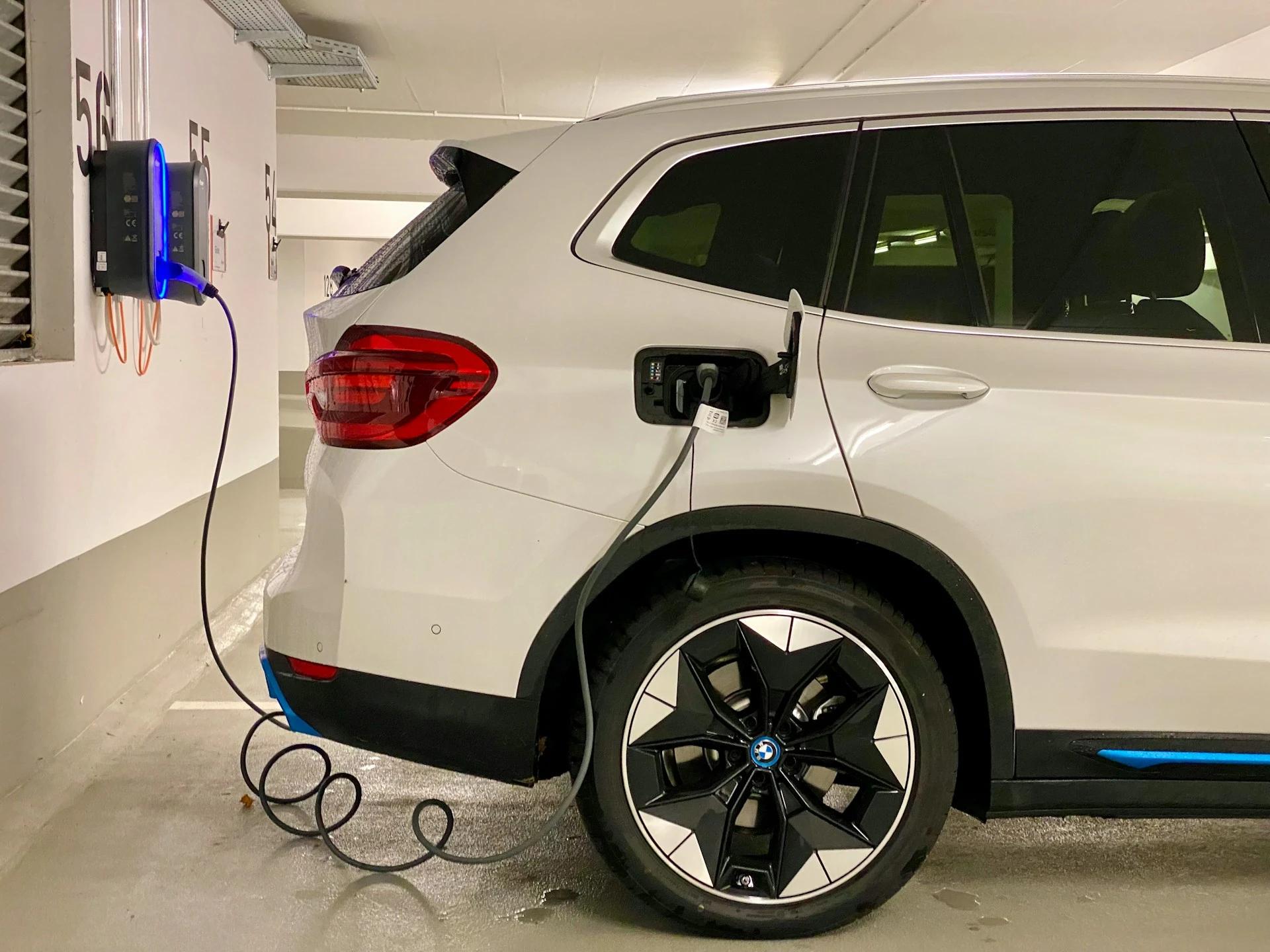
Electric vehicles are increasingly popular and significantly cheaper to run. Charging at home costs roughly a third of what you would spend on petrol. See our guide to electric cars in Iceland for a full cost comparison.
Cycling: Reykjavik is increasingly bike-friendly, and many people cycle from spring through autumn. Winter cycling is possible but demands good tires and proper clothing.
For a full overview of getting around, see our guides to public transport in Iceland and converting your driving license.
Healthcare Costs
Iceland has a universal public healthcare system funded through taxes. Once you have a kennitala (Icelandic national ID) and are registered, you are covered.
Out-of-pocket costs are modest. A standard GP visit costs 500–3,500 ISK ($4–$28 USD) depending on the type of consultation. There is a monthly cost ceiling of approximately 25,100 ISK for adults, after which most services are free for the remainder of that month.
Prescriptions are partially subsidized. Dental care is not covered for adults and is expensive. Budget 15,000–40,000 ISK for a routine checkup and cleaning.
Children under 2 receive free healthcare. Children aged 2–17 pay reduced copayments with a lower monthly cap (16,700 ISK). Dental care is free for all children under 18. Pregnant women receive free prenatal and postnatal care.
One important catch. Public health insurance does not take effect until you have lived in Iceland for six months. During that waiting period, you must pay the full cost of any medical care. If you are moving from an EU/EEA or Nordic country and were previously insured there, you can transfer your rights and may skip the wait. Everyone else is required to purchase private medical cost insurance for the first six months. Our health insurance guide covers the process and options.
Private health insurance is available but uncommon among residents, since the public system covers the vast majority of needs. Our healthcare guide explains how the system works and how to register.
Childcare and Education
Public schooling from age 6 to 16 is free in Iceland. This includes textbooks and lunch in most municipalities.
Preschool (leikskóli) for children aged 1–6 is subsidized but not free. Monthly fees typically range from 30,000–50,000 ISK ($245–$405 USD) per child, depending on the municipality and household income. Waiting lists for leikskóli spots can be long, especially in the capital area. Register your child as early as possible, ideally before or immediately after birth.
Upper secondary school (ages 16–20) is also free. University tuition at the University of Iceland is limited to a registration fee of approximately 75,000-100,000 ISK per year. Non-EEA students starting in 2026 or later may face additional tuition fees, pending a government decision.
For more detail on schools and daycare options, see our daycare guide.
How Iceland Compares to Other Countries
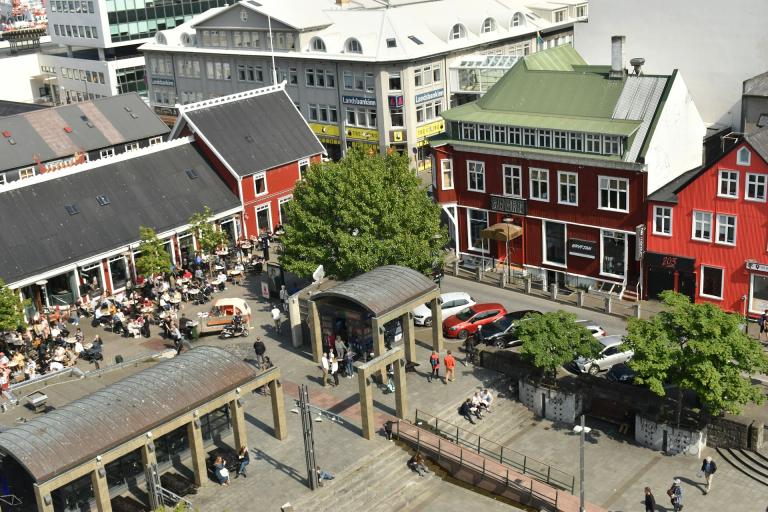 Raw cost comparisons can be misleading without accounting for wages. Here is how the cost of living in Iceland stacks up against other cities for a single person, and how local salaries shift the picture.
Reykjavik vs. major cities (approximate monthly cost of living, single person including rent):
Reykjavik: $3,000–$4,500 USD
Copenhagen: $2,800–$4,000 USD
London: $3,000–$4,500 USD
New York City: $3,500–$5,500 USD
Berlin: $2,000–$3,000 USD
The key difference is wages. The effective minimum wage in Iceland (set by collective bargaining agreements, not statute) is approximately 513,000–515,000 ISK gross per month as of early 2026. The average gross salary is roughly 980,000 ISK per month, with a median take-home pay after tax and pension contributions of around 540,000 ISK ($4,400 USD).
For a single person earning the median salary, the cost of living is manageable. At the lower end of the budget range (375,000 ISK), you retain about 165,000 ISK per month for savings and discretionary spending. At the higher end (560,000 ISK), things are tighter but still workable.
The personal tax credit of 72,492 ISK per month (2026) provides meaningful relief, particularly for moderate earners. Employee pension contributions are 4% of salary, with employers adding 11.5%.
For a full breakdown of salaries by profession, see our salary guide. For how the tax system works, see our tax guide for foreigners.
Tips for Managing Your Costs
Living in Iceland does not have to drain your finances. These are the strategies that residents actually use.
Cook at home. This is the single most effective way to control spending. The gap between grocery costs and restaurant prices in Iceland is enormous. A home-cooked dinner for two might cost 2,000–3,000 ISK in ingredients. The same meal at a restaurant could cost 10,000–15,000 ISK.
Shop at Bónus and Krónan. These two chains are consistently the cheapest supermarkets in the country. Bónus runs a no-frills model that keeps prices down. Check opening hours in advance; Bónus has more limited hours than other stores.
Use the Strætó bus system or share a car. A monthly bus pass costs 11,600 ISK. That is less than a single tank of fuel for most cars.
Take advantage of geothermal swimming pools. Most neighborhoods have public pools heated by geothermal water, with monthly passes costing 4,000–8,000 ISK. These are central to Icelandic social life and far cheaper than gym memberships or other recreation.
Drink tap water. Iceland's tap water is excellent. This sounds minor, but the savings add up.
Buy alcohol at Vínbúðin. Alcohol in bars and restaurants carries large markups. The state-run Vínbúðin liquor stores offer the same products at significantly lower prices (though still high by international standards).
Look for housing outside the 101 postcode. Kópavogur, Hafnarfjörður, and Garðabær offer lower rent while remaining within 15–20 minutes of central Reykjavik by car or bus.
Frequently Asked Questions
Can I live in Iceland on a budget of 300,000 ISK per month?
It is very tight but possible if you share an apartment, cook all meals at home, use public transport, and have minimal discretionary spending. Most people find 400,000–450,000 ISK more realistic for a basic but comfortable life.
Is Iceland more expensive than Norway or Denmark?
Generally yes, particularly for groceries and dining out. Iceland's import dependency drives food prices higher than mainland Scandinavia. The gap has narrowed in recent years, and Iceland's utility costs are significantly lower due to geothermal energy.
Are salaries high enough to cover the cost of living?
For most full-time workers, yes. The median take-home pay of approximately 540,000 ISK per month exceeds the lower end of the single-person budget range by a meaningful margin. Dual-income households are in a comfortable position. The challenge is more acute for part-time workers, students, or people in lower-wage service roles.
Do costs vary much between Reykjavik and the rest of Iceland?
Rent is the main variable. Outside the capital area, rents can be 30–50% lower. Grocery prices are fairly consistent nationwide, since the same supermarket chains operate throughout the country. Utility costs are similarly stable thanks to the national geothermal grid.
Is healthcare free in Iceland?
The public system is heavily subsidized but not entirely free. Doctor visits have small co-pays (500–3,500 ISK), and there is a monthly out-of-pocket ceiling after which most care is free. Children under 18 receive completely free healthcare including dental.
The Bottom Line
Iceland is undeniably expensive. But "expensive" is not the same as "unaffordable." High wages, cheap energy, strong worker protections, and a solid social safety net mean that most people who move here with employment find themselves financially stable, sometimes more so than they expected.
The cost of living in Iceland is manageable with the right preparation. Plan for monthly expenses of at least 400,000–500,000 ISK as a single person, and make sure you have a job offer or reliable income source before arriving.
Ready to start planning your move? Create a free account to access your personalized relocation dashboard, checklists, and community.
All prices and exchange rates are approximate and reflect conditions as of early 2026. The Icelandic króna fluctuates against major currencies, and prices change with inflation. For the most current figures, check Statistics Iceland and the Central Bank of Iceland.
Last updated: March 2026


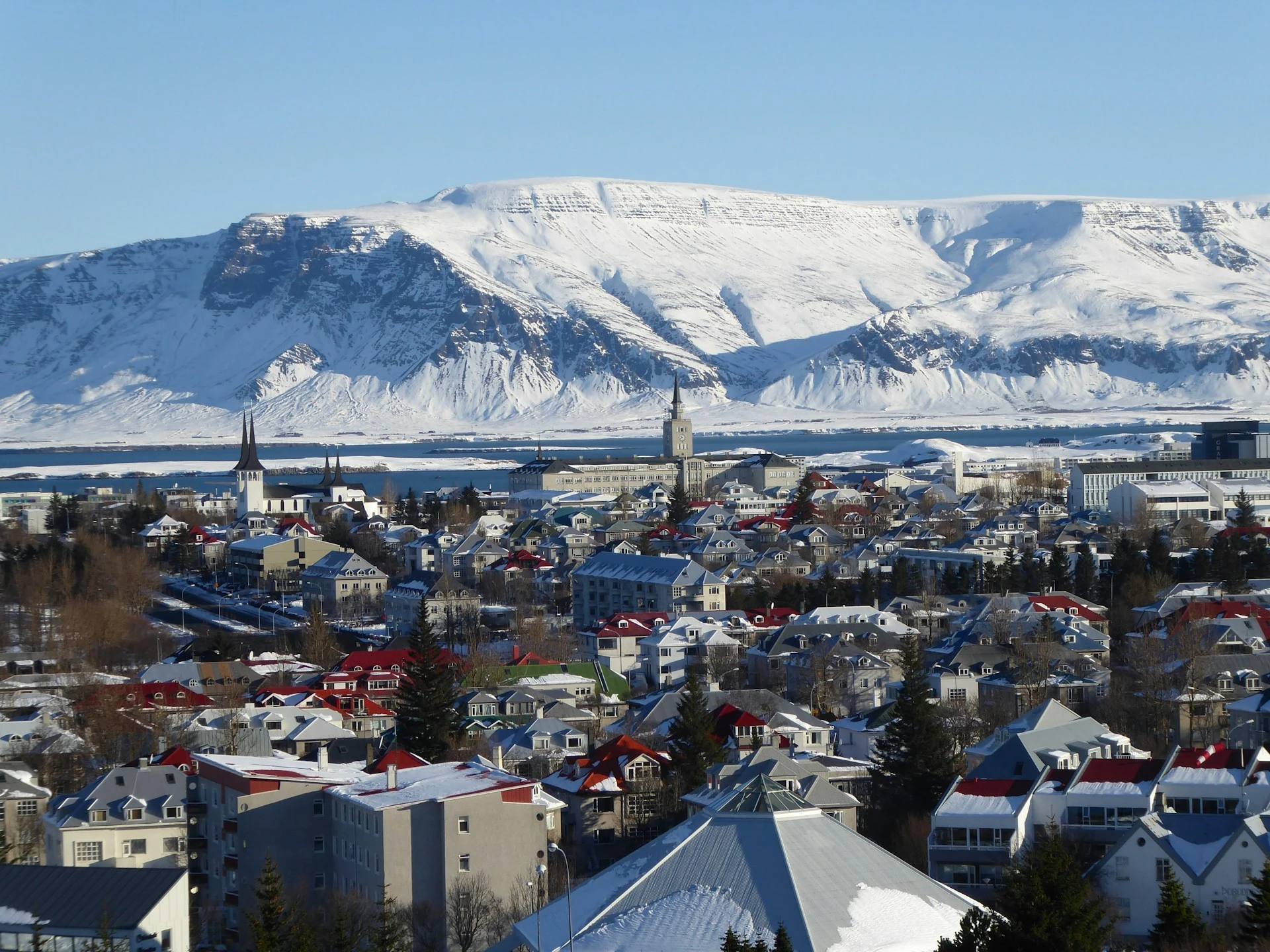

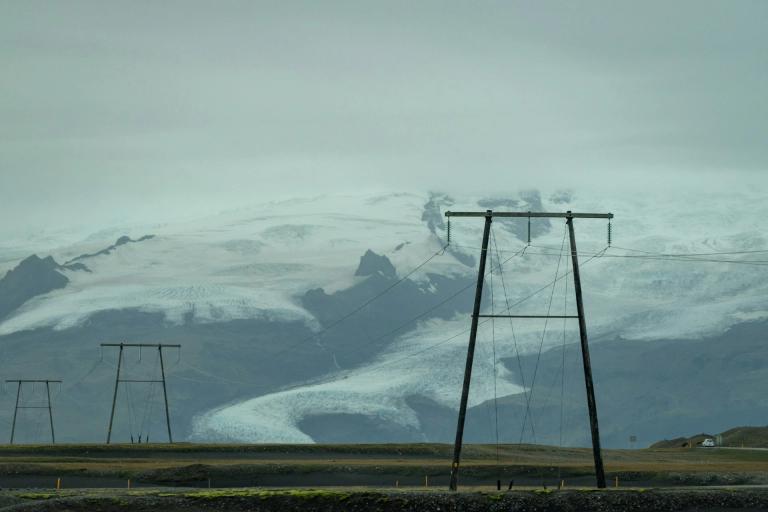 This is where Iceland breaks the pattern. While nearly everything else costs more than you expect, heating and electricity are remarkably cheap.