Daycare and Preschool in Iceland
A guide to daycare and preschool in Iceland for foreign parents, covering leikskóli enrollment, dagforeldri (day parents), costs, waiting lists, and how to get your child into the system.
How daycare works in Iceland
If you are moving to Iceland with young children, daycare is one of the first things you need to sort out. Iceland has a well-funded, play-based early childhood education system that serves nearly all children from around age two. Getting a spot, though, takes planning. The gap between parental leave ending and a preschool place opening up is a real challenge.
This guide covers the full daycare and preschool landscape in Iceland, from dagforeldri (day parents) for infants to leikskóli (preschool) for toddlers through age six. It includes current costs, how to apply, what to expect as a foreign parent, and how to handle the waiting list. For the broader picture of relocating with a family, see our complete relocation guide.
What is a leikskóli?
A leikskóli (literally "play school") is Iceland's version of preschool or kindergarten. It is officially the first level of the Icelandic education system, though attendance is not compulsory. Children can attend from around age one or two until they start grunnskóli (compulsory school) at age six.
The name is literal. The Preschool Act (No. 90/2008) defines play as both the aim and the primary teaching method. Icelandic preschools follow a national curriculum issued by the Ministry of Education and Children, built around six pillars: literacy, sustainability, health and welfare, democracy and human rights, equality, and creativity.
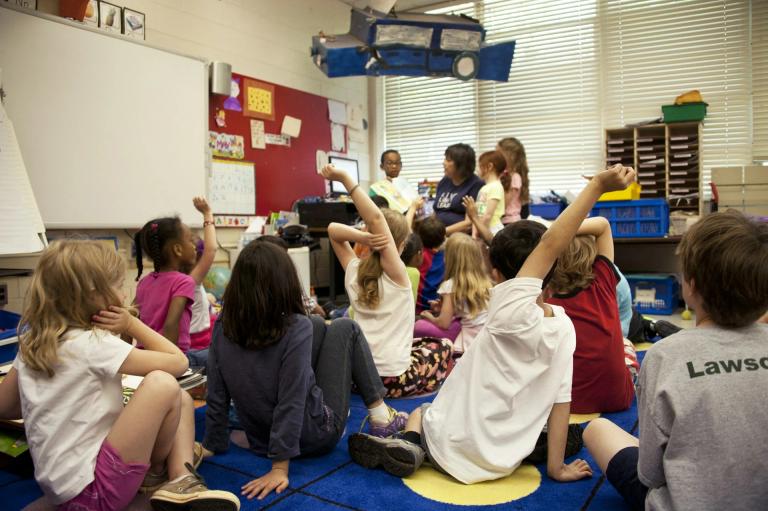
In practice, children spend much of their day in free and guided play, art, music, outdoor activities, and group meals. Teaching is indirect and child-led. Most preschools take children outside daily, including in winter.
Municipalities run the majority of preschools, though private preschools with municipal service agreements also operate in larger towns. Reykjavik alone has nearly 90 preschools, both city-run and independent.
Childcare before leikskóli: dagforeldri
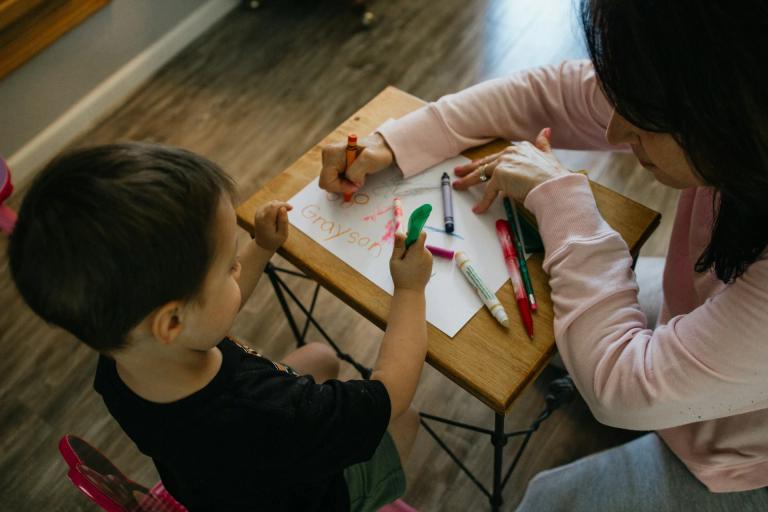 Iceland's parental leave system provides up to 12 months of shared leave for parents. After that, most families need childcare. For children too young for leikskóli (typically under 18 months), the main option is a dagforeldri (day parent, sometimes called dagmamma).
A dagforeldri is a licensed individual who cares for a small group of children in their own home. The service is regulated by the municipality and subsidized by the local government. Day parents in Reykjavik are independent operators who set their own fee structures, but the city covers a portion of the cost directly.
Eligibility depends on parental and family status. In Reykjavik, single parents can place a child with a dagforeldri from six months old. For married or cohabiting couples, the minimum age is nine months.
The cost after municipal subsidy runs roughly 50,000–80,000 ISK per month for full-day care (as of January 2026), depending on the provider, the child's age, and hours of care. Children aged 18 months and older receive a higher municipal subsidy, bringing the parent's share closer to standard leikskóli fees.
Waiting lists for popular dagforeldri providers can be long. Island.is notes that up to a year's advance notice is common. Start looking early, ideally while still on parental leave.
How to apply for a leikskóli spot
The application process is municipality-based. Your child must have a kennitala (national ID number) and legal residence (lögheimili) in the municipality where you are applying. For a full explanation of how to get your kennitala, see our kennitala guide.
In Reykjavik, all applications go through Vala, an online portal available in both Icelandic and English. You can register your child as soon as they are born. The timing of your application does not affect placement. Instead, children are placed on a waiting list sorted by age (oldest first), with the list activating when the child turns six months old.
Parents can select between two and seven preschools in a single application (as of 2026). Both city-run and private preschools with service agreements accept applications through Vala.
Most preschool spots are allocated between March and May each year for a fall start in August or September. This annual intake, known as the stóra innritun (the big enrollment), happens when a full class of six-year-olds graduates to grunnskóli, freeing up places. Additional spots open throughout the year as children transfer or move.
Reykjavik aims to offer a spot to all children who turn 18 months by September 1st of that year, though capacity constraints mean this goal is not always met.
Other municipalities use the same Vala system. Kópavogur, Hafnarfjörður, Garðabær, and Akureyri each manage their own preschool networks with similar age-based waitlists. Check your municipality's website for local details.
If you are moving to Reykjavik from abroad, you can contact the city service center at innritun.leikskolar@reykjavik.is to discuss your situation before your legal residence is transferred. Children can start preschool once they have been allocated a place and their legal domicile has been registered in Reykjavik.
The waiting list reality
The gap between parental leave ending (at 12 months) and a leikskóli spot becoming available (often at 18–24 months) is one of the most discussed challenges for parents in Iceland. For foreign families arriving mid-year without an existing application, the wait can be longer.
A few things to know:
Placement is based on birth date, not application date. Applying early does not move your child up the list. The system is designed to be fair, but it means you cannot game it by registering sooner.
Neighborhood demand varies. Some areas of Reykjavik have more preschool capacity than others. The Preschool Admission Tracker on Reykjavik's website provides live estimates of waitlist positions by preschool and neighborhood.
Priority placements exist for specific circumstances: children turning five, children with disabilities or diagnosed developmental delays, children in difficult home situations, and children of single parents with three or more young children.
If you are arriving from abroad with a toddler already past the typical enrollment age, contact the municipality directly. Mid-year spots do open up as families move, and the service center can advise on current availability.
What leikskóli costs
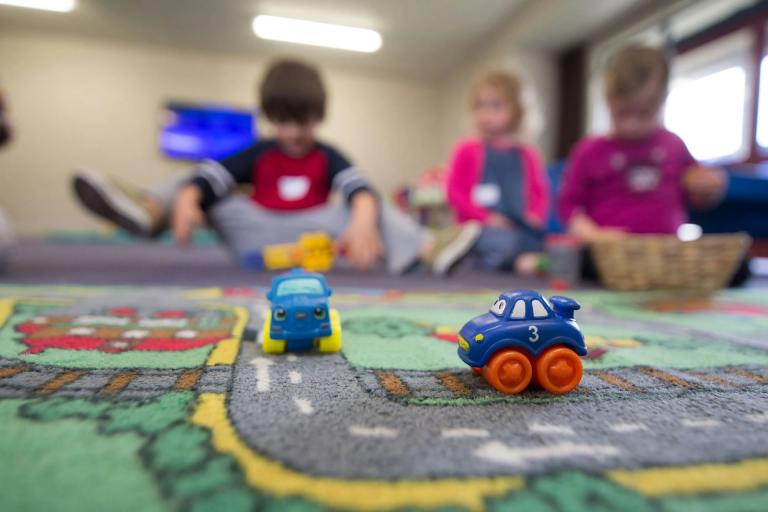 Preschool in Iceland is heavily subsidized. Parents pay a monthly fee that covers a share of tuition and meals. The exact amount depends on the municipality, hours of attendance, and family circumstances.
Reykjavik: 36 hours free (approved February 2026)
On February 18, 2026, Reykjavik City Council approved a major overhaul of preschool fees. Under the new plan, preschool attendance will be free for up to 36 hours per week. Parents will only pay for meals within that limit. For 38 hours of care, a modest fee of 7,000 ISK per month applies (plus meals). Fees increase progressively for longer hours, up to a maximum of 42.5 hours per week. See the fee calculator for Reykjavik here.
As of March 2026, the old fee schedule (effective January 1, 2026) still appears on reykjavik.is and remains in effect until the new rates take over. Under that schedule, a standard 8-hour placement for married or cohabiting parents costs approximately 35,746 ISK per month including meals. Check the city's website for the transition date.
Kópavogur uses a different model: preschool is free for up to 6 hours per day (30 hours per week). Fees apply only for hours beyond that threshold, plus meal costs. This makes Kópavogur one of the more affordable municipalities for families needing standard daytime care.
Other municipalities set their own fee schedules. Fees are collected for 11 months per year, as children are expected to take four consecutive weeks of summer vacation.
For context on how childcare costs fit into a broader household budget, see our cost of living guide.
A typical day at leikskóli
Most municipal preschools in Reykjavik are open from 7:30 AM to 4:30 PM on weekdays. Five preschools (one per district) stay open until 5:00 PM.
A typical day follows a loose structure: arrival and free play in the morning, a group circle time, outdoor play (in nearly all weather), meals at set times, rest or quiet time for younger children, and more play or organized activities in the afternoon.
Children receive breakfast, lunch, and an afternoon snack, all included in the meal fee. Preschools follow health guidelines from the Directorate of Health. If your child has allergies, intolerances, or dietary needs based on religion, inform the staff when signing the enrollment agreement.
The staff-to-child ratio depends on the age group. Nursery divisions for children under two have smaller groups and specially adapted facilities, including heated floors and dedicated playgrounds.
What foreign parents should know
Iceland's preschools are built to be inclusive. Many children in Reykjavik's preschools come from multilingual families, and the city emphasizes that diversity enriches the learning environment.
Language. All instruction is in Icelandic. For young children (under three or four), this is rarely a problem. Children absorb a new language remarkably quickly through daily immersion. For older children entering leikskóli closer to age five, the adjustment may take a few months. Staff are generally experienced in supporting multilingual children.
The adaptation period. When a child starts at a new preschool, there is a gradual settling-in process (aðlögun). Typically, the first day is a short visit, with each subsequent day slightly longer. Parents should plan to be available (and sometimes present at the school) during the first week or two, as the child may need to be picked up early while adjusting.
Communication. The Vala app is used for day-to-day communication with the preschool, including scheduling, updates, and daily menus. Parent-teacher meetings happen at least once a year, and most preschools have active parent associations (foreldrafélag).
If you prefer English-language education, the International School of Iceland (ISI) in Garðabær offers a kindergarten program for children from around age five, with instruction in English. This is a private school with tuition fees. For younger children, there are no English-language preschool options in Iceland.
Bridging the childcare gap
 For families arriving in Iceland without a preschool spot, or waiting for the annual intake, a few strategies can help.
A dagforeldri is the most common bridge. Start contacting providers as soon as you know you are moving. Your municipality's website will have a list of licensed day parents in each neighborhood.
Some municipalities, including Kópavogur, offer heimgreiðslur (home payments) of 115,810 ISK per month (as of January 2026) to parents caring for children at home while waiting for a preschool spot. In Kópavogur, payments begin once the child reaches 15 months old. Eligibility rules and amounts vary by municipality. Check yours for details.
Informal childcare arrangements (family, friends, au pairs) can also fill the gap, though they do not qualify for municipal subsidies.
For your broader relocation timeline, our first 30 days checklist covers the full sequence of steps after arriving, including registering your child.
Frequently asked questions
At what age can my child start leikskóli?
Most municipalities aim to offer a spot from 18 months, though some nursery divisions accept children from 12 months. In practice, many children start between 18 and 24 months depending on availability. Between ages two and three, over 95% of Icelandic children are enrolled.
Can I apply for leikskóli before moving to Iceland?
You need your child's kennitala and legal residence in the municipality to apply. If you are planning a move to Reykjavik, contact innritun.leikskolar@reykjavik.is to discuss options before your domicile is transferred.
What do I do if my child does not get a spot right away?
A dagforeldri (day parent) is the most common alternative for younger children. Some municipalities also offer financial support for parents caring for children at home while on the waiting list.
Do preschools in Iceland teach in English?
No. All municipal preschools operate in Icelandic. Young children typically adapt to the language within weeks or months. The International School of Iceland offers an English-language kindergarten from around age five, but this is a private option with tuition fees.
Is leikskóli attendance mandatory?
No. Preschool is the first level of the education system but attendance is not compulsory. Compulsory schooling begins at age six with grunnskóli. For an overview of the full school system, see our Icelandic school system guide.
Last updated: March 2026