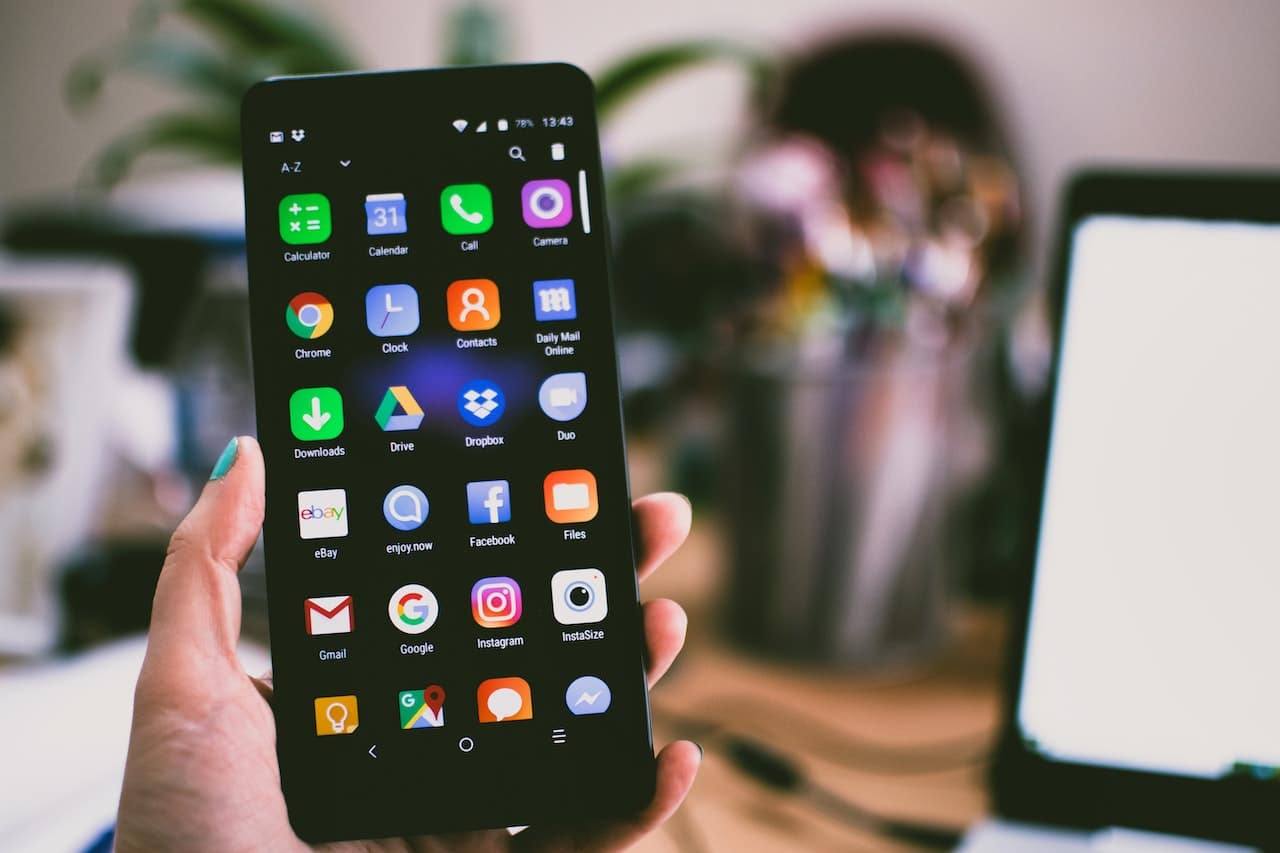
If your phone supports eSIM, both Síminn and Nova offer eSIM activation. Síminn's eSIM starter pack includes 10 GB of data (valid 30 days) with 50 minutes of international calls and 50 texts. Nova sells eSIM data packs through its English-language page.
You can set up an eSIM before you even board your flight to Iceland.
Keeping your foreign number
Your existing phone number from your home country will work in Iceland via roaming, though costs add up quickly. A practical approach: activate an Icelandic prepaid SIM (or eSIM) for daily use and keep your home SIM active on a minimal plan for receiving verification codes and calls from contacts who have your old number. Most modern phones support dual SIM or eSIM + physical SIM, making this easy.
Accessing home-country streaming services
Many streaming platforms restrict content by region. Subscriptions to services like BBC iPlayer, Hulu, or region-locked Netflix libraries will not work from an Icelandic IP address without a VPN. NordVPN is a widely used option with servers in most countries and apps for phones, laptops, and smart TVs.
Home internet in Iceland
Iceland's home internet infrastructure is among the best in the world. Two fiber-optic networks, Míla (owned by Síminn) and Ljósleiðarinn, cover nearly all residential areas. The minimum speed available on fiber is 1 Gbit/s, with 2.5, 5, and 10 Gbit/s tiers available in most locations.
The Icelandic government has set a target of 100% fiber coverage by 2026.
Home internet pricing
As of March 2026, fiber plans start at around 9,000 to 15,000 kr/month for 1 Gbit/s, depending on the provider and any bundle discounts. Higher-speed tiers (2.5, 5, and 10 Gbit/s) are available for a modest premium. All fiber plans include unlimited data, and most come with a WiFi router and at least one extender.
For the latest pricing, check Síminn, Nova, or Sýn.
Multiple providers sell internet over both fiber networks, so you can choose any ISP regardless of which physical network serves your address.
Where fiber is not yet available (a small number of rural properties), 5G and 4G wireless home internet alternatives are available. These typically start around 9,000 to 11,000 kr/month as of March 2026.
Setting up home internet
To order home internet, you typically need a kennitala and an Icelandic bank account or credit card for billing. The process is:
Check which fiber network serves your address (Míla or Ljósleiðarinn) on the provider's website.
Choose a provider and plan. You are not locked to one ISP because of your fiber network; multiple providers sell service over both networks.
Order online or in-store. Installation of the fiber terminal is usually already done in existing apartments. If not, a technician visit is scheduled (usually free for standard installations).
A router is shipped or delivered by a technician, typically within a few business days.
If you are renting and the apartment already has fiber, setup is often as simple as plugging in a router. Ask your landlord which fiber network is connected.
Coverage outside Reykjavík
Mobile coverage is strong along the ring road (Route 1) and in all towns. Thanks to roaming agreements between operators, you can expect reliable coverage across populated areas regardless of which provider you choose.
For highland travel and F-roads (see the guide to F-roads), do not rely on mobile data. Coverage is intermittent at best. The Icelandic road authority's app, Vegagerðin 112, allows you to log your route for safety even without continuous signal.
Home internet in smaller towns is generally fiber-based and fast. The 2.5% of addresses not yet connected to fiber are almost entirely in very remote rural areas, where 4G or 5G wireless home internet bridges the gap.
Bundling to save money
Most providers offer steep discounts when you combine mobile and home internet on the same account. As of March 2026, bundling typically drops an unlimited mobile plan from around 8,500 to 10,000 kr/month down to roughly 3,200 to 3,300 kr/month. That is a saving of 5,000 to 7,000 kr per month (roughly $35 to $50 USD).
Bundling mobile and internet with the same provider is the standard approach for Icelandic households and the most cost-effective option for new residents. For a broader look at monthly expenses, see the cost of living guide.
International calls
If you need to call family abroad regularly, most providers offer international calling add-ons for roughly 1,000 to 2,000 kr/month as of March 2026. These typically cover 40 or more countries, including all EU/EEA members, the US, Canada, UK, Australia, China, India, and Japan. Check your provider's current add-on pricing when you sign up.
For countries not on the covered list, VoIP apps like WhatsApp, Signal, or FaceTime are the most practical option.
Frequently asked questions
Do I need a kennitala to get a phone plan in Iceland?
Not for prepaid. You can buy a prepaid SIM card at the airport or any convenience store without ID or a kennitala. Postpaid subscriptions require a kennitala and a credit check, so you will need to wait until your ID number is issued.
Which mobile provider has the best coverage in Iceland?
In practice, coverage is similar across providers thanks to roaming agreements between the networks. You can expect reliable service across populated areas and along major roads regardless of which provider you choose. The main differences between providers are pricing, perks, and bundling options rather than coverage.
How fast is home internet in Iceland?
Very fast. The minimum fiber speed is 1 Gbit/s, with 10 Gbit/s available in most areas. Iceland consistently ranks among the top countries globally for average internet speed.
Can I keep my foreign phone number when I move to Iceland?
You cannot port a foreign number to an Icelandic carrier. However, you can keep your foreign SIM active on a minimal plan alongside your new Icelandic number. Most smartphones support dual SIM or eSIM, making it easy to carry both.
How much does phone and internet in Iceland cost per month?
As of March 2026, a typical household pays roughly 18,000 to 20,000 kr/month ($130 to $145 USD) for a combined bundle of fiber internet and one unlimited mobile plan. Adding a second mobile line brings the total to around 21,000 to 23,000 kr/month.
Is there free WiFi in Iceland?
Yes. Most cafés, restaurants, hotels, and public buildings in Reykjavík and larger towns offer free WiFi. The Reykjavík city library system (Borgarbókasafnið) provides free WiFi at all branches, and WiFi is available at Keflavík Airport.
Last updated: March 2026