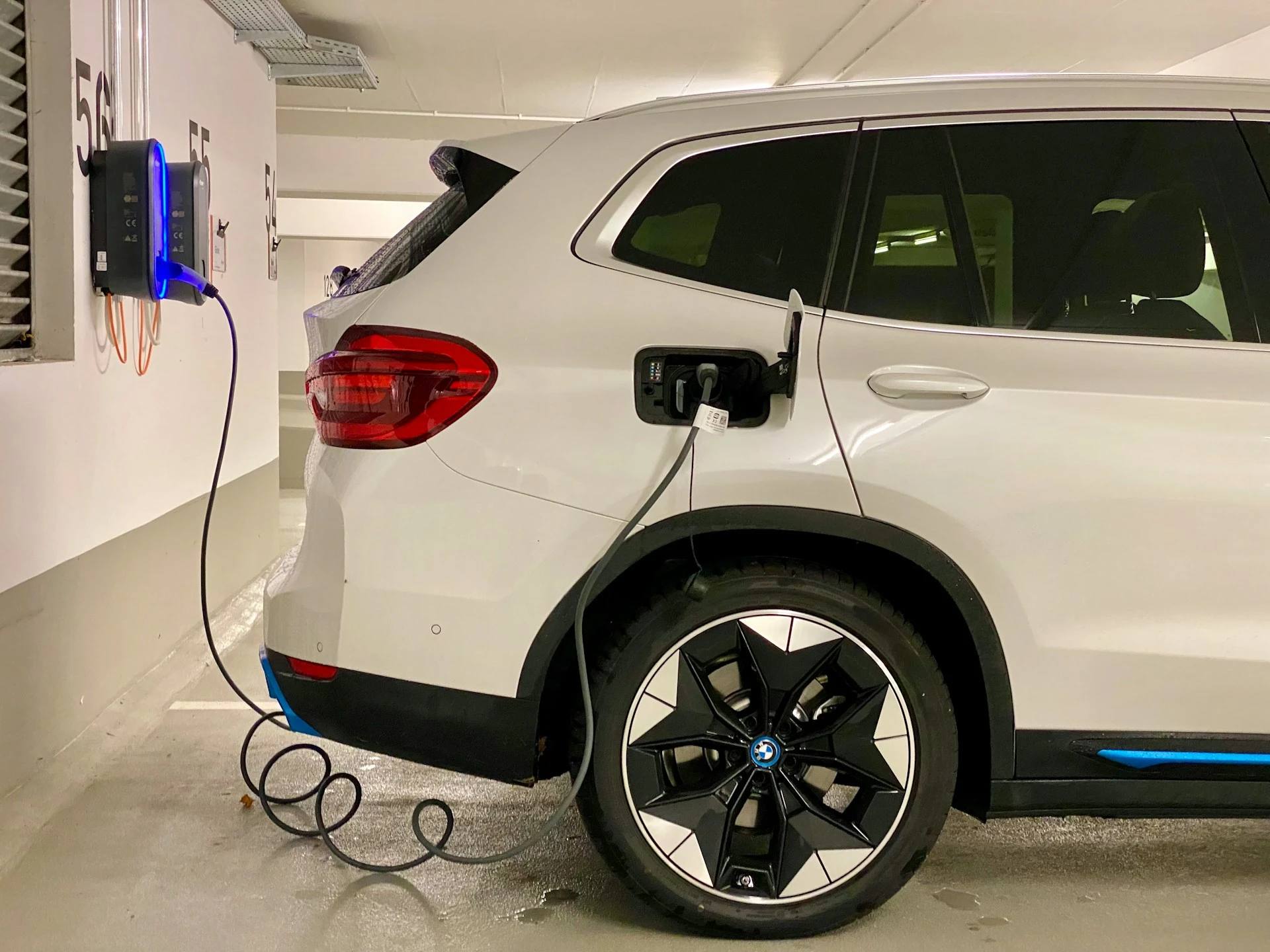
Coverage in the Westfjords and parts of the East is thinner but improving. If you live or travel in these areas, plan your charging stops. Both the Ísorka app and A.is (the Icelandic Automobile Association) provide charging maps with real-time availability.
Popular electric car models
The Icelandic electric car market follows European trends, with a few local favourites.
Tesla Model Y and Model 3 have dominated sales in recent years. Tesla's Supercharger network in Iceland adds to their appeal, though the network is now open to other brands at most locations.
Hyundai Kona Electric and Kia EV6 are popular mid-range options. Both offer good range (400+ km rated) at a lower price point than Tesla.
The Volkswagen ID.4 and Skoda Enyaq have gained traction among families looking for a practical electric SUV. Volvo EX30 and EX40 models are also increasingly common.
For used electric cars, the Nissan Leaf remains widely available and affordable, though its shorter range (around 200 to 270 km depending on model year) means it works best for city driving and shorter commutes.
Buying a used electric car
The used electric car market in Iceland is active. Used imports account for a significant share of EV registrations, with many vehicles coming from Norway and mainland Europe.
The main platforms for buying used cars (electric or otherwise) are bland.is and bilasolur.is, both of which list private and dealer inventory. Dealerships across the country also carry used EVs. Our car marketplace connects you directly with dealerships.
When buying a used electric car, pay attention to battery health. Icelandic winters are cold, and batteries degrade faster in extreme temperatures over time. Ask for the battery health report (state of health percentage). Most modern EVs retain 85 to 90% battery capacity after 100,000 km, but older models like early Nissan Leafs can show more degradation.
For the full buying process, including registration, inspection, and financing, see our guide to buying a car in Iceland.
Winter driving and battery range
Iceland's climate is the biggest practical challenge for electric car owners. Cold temperatures reduce battery range, and winter conditions demand extra preparation.
Range loss in cold weather
Expect 15 to 25% range loss in freezing conditions compared to mild weather. At temperatures around minus 5 to minus 10 degrees Celsius (common from November through March), a car rated at 400 km of range may deliver 300 to 340 km in practice. Cabin heating draws additional energy. Using seat heaters instead of blasting the cabin heater helps conserve range.
Pre-conditioning the car while still plugged in (warming the cabin before you unplug) is the most effective way to preserve range on cold mornings. Most modern EVs support this through their app.
Winter tires
Winter tires are mandatory in Iceland from November 1 to April 15. Studded tires are legal during this period and common on Icelandic roads. They provide excellent grip on ice but increase rolling resistance slightly, which can reduce range by another 5 to 10%.
For more on winter driving preparation, see our winter driving guide.
F-roads and the highlands
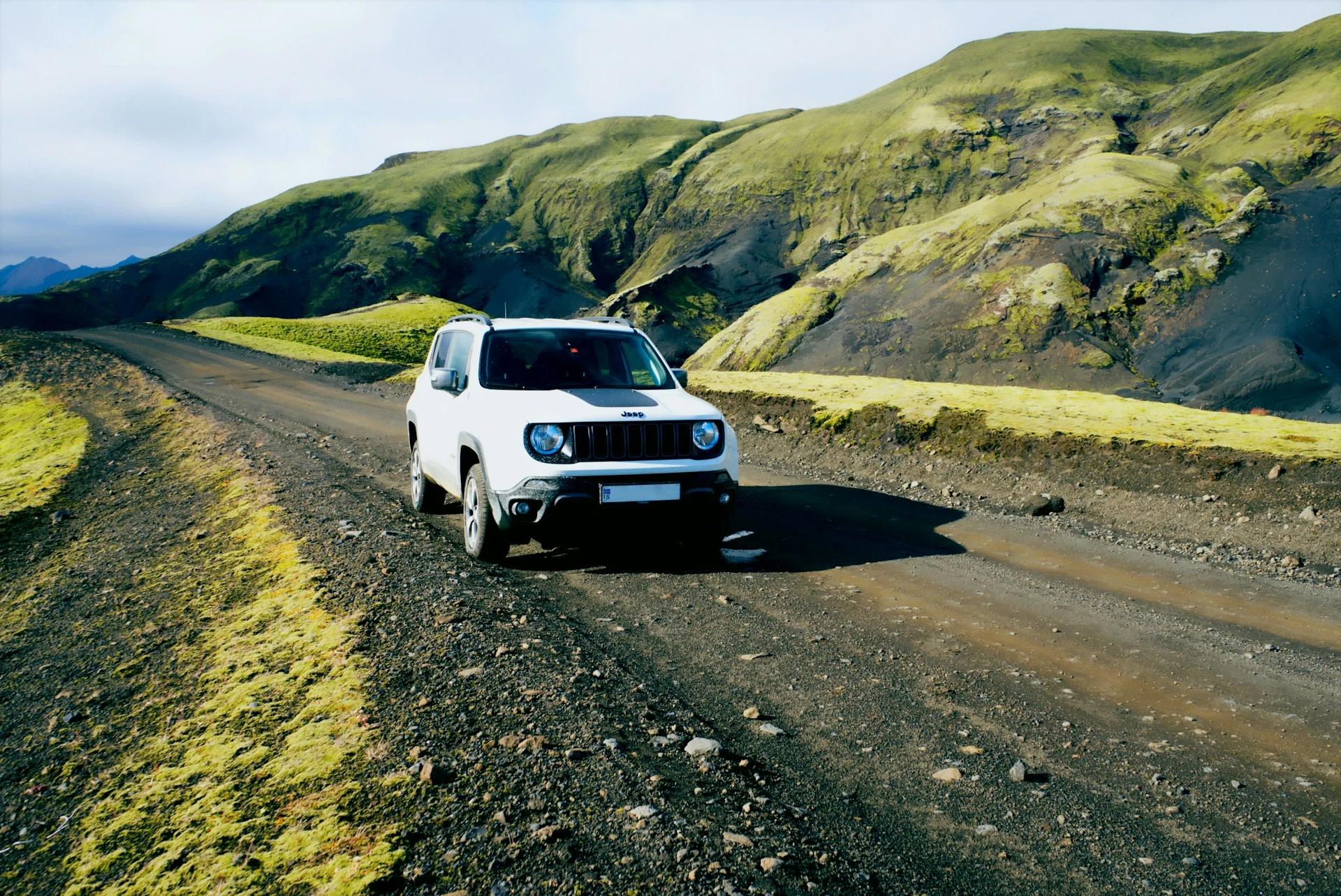
Electric cars cannot access Iceland's highland F-roads. F-roads require four-wheel-drive vehicles, and the remote, unpaved terrain is unsuitable for most EVs (which tend to have lower ground clearance and no spare tire). Even all-wheel-drive EVs are not practical for F-roads due to the lack of charging infrastructure in the highlands and the risk of getting stranded.
If you plan to explore the interior, you will need a separate vehicle or a rental. For daily life and Ring Road travel, an electric car covers everything you need.
Importing an electric car
If you are bringing a car from abroad rather than buying locally, the process follows Iceland's standard vehicle import procedure. You will need to:
Apply for pre-registration with the Icelandic Transport Authority (Samgöngustofa) before customs clearance. Processing takes 3 to 4 business days for vehicles with a Certificate of Conformity (CoC), or at least 10 business days otherwise.
Submit a customs declaration through Icelandic Customs (Tollstjóri) once pre-registration is complete.
Pay applicable fees: battery and tire recycling charges apply. Fully electric vehicles are exempt from registration tax and receive the capped VAT exemption described above.
Complete a vehicle inspection before final registration.
The key advantage for EVs is the registration tax exemption and VAT cap, which can save hundreds of thousands of ISK compared to importing a petrol or diesel vehicle.
Is an electric car right for you in Iceland?
For most people moving to Iceland and settling in or near Reykjavik, an electric car is the practical default. Cheap electricity, strong incentives, and good urban charging infrastructure make the economics hard to beat.
An electric car makes less sense if you live in a very remote area with limited charging access, if you need highland access regularly, or if you cannot charge at home and have no reliable workplace charging.
For a broader overview of the car buying process, costs, and what to expect, see our guide to buying a car in Iceland. For information on other transport options, read our public transport guide. And for a full picture of living costs including transport, visit our cost of living calculator.
For everything else about relocating, our moving to Iceland guide covers the full process from visas to settling in.
Frequently asked questions
How much does it cost to charge an electric car in Iceland?
Home charging costs roughly 25 to 30 ISK per kWh, making a full charge on a 60 kWh battery about 1,500 to 1,800 ISK (10 to 13 USD). Public DC fast charging runs 50 to 75 ISK per kWh. Either way, it is significantly cheaper than petrol.
Are there enough charging stations in Iceland?
Yes, for most driving patterns. The Ring Road has fast chargers spaced within about 100 km of each other, and the capital region has dense coverage. The Westfjords and remote eastern areas have fewer stations, so plan ahead if travelling there.
What tax incentives exist for electric cars in Iceland?
Fully electric cars are exempt from registration tax and may qualify for an Energy Fund grant of 400,000 to 900,000 ISK. A capped VAT exemption on the first 1,440,000 ISK of the purchase price has also been available, though EV incentive policy changes frequently. Check island.is for the latest terms. These incentives make a meaningful difference given Iceland's normally high car prices.
Can I drive an electric car on F-roads in Iceland?
No. F-roads require four-wheel-drive vehicles, and the highlands have no charging infrastructure. Even all-wheel-drive EVs are not suitable for F-road conditions. You will need to rent or borrow a capable 4x4 for highland driving.
How does cold weather affect electric car range in Iceland?
Expect 15 to 25% range reduction in winter. A car rated at 400 km may deliver 300 to 340 km in freezing conditions. Pre-conditioning the car while plugged in and using seat heaters instead of cabin heating helps. For daily commuting and town driving, winter range loss is manageable.
Last updated: March 2026