Mental health in Iceland
A practical guide to mental health resources in Iceland, including how the public system works, where to find English-speaking therapists, crisis helplines like Píeta and the Red Cross, and how to manage seasonal affective disorder during Iceland's dark winters.
Why this matters when you move
Moving to a new country is stressful even under the best circumstances. You are leaving behind your support network, adjusting to a new language and culture, and rebuilding daily routines from the ground up. In Iceland, the geographic isolation and long, dark winters can put real pressure on your mental health.
If you are struggling, or if someone you know is, support is available. Mental health in Iceland is supported by crisis helplines, publicly funded therapy, English-speaking practitioners, and organisations that exist specifically to help.
For a broader view of how Iceland's healthcare system works, including registration and the national health insurance, see our healthcare guide. If you have just arrived in Iceland, our first 30 days checklist covers the practical setup steps.
Table of contents
The darkness and what it does
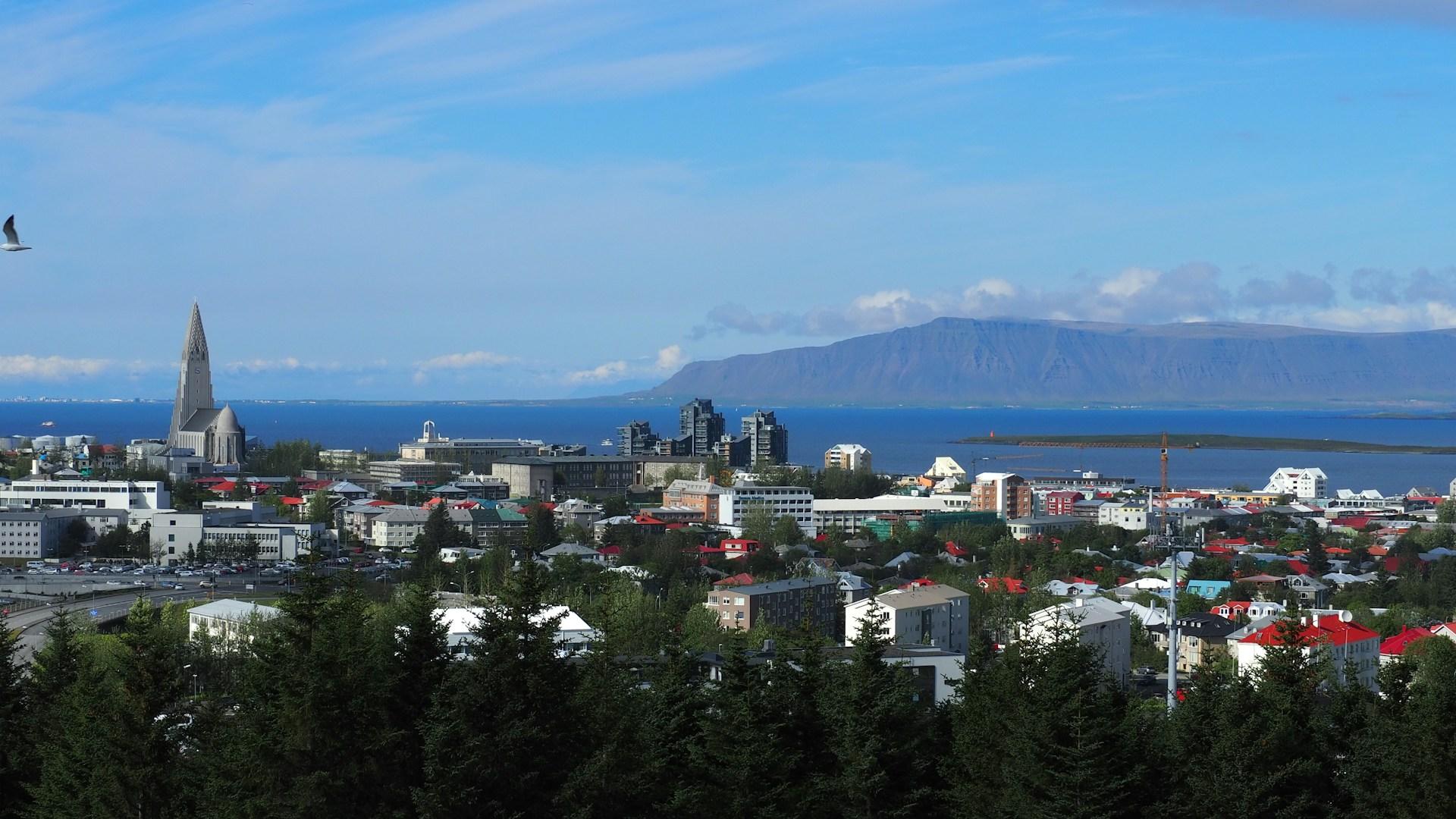
Iceland sits just below the Arctic Circle. In December, Reykjavík gets roughly four to five hours of daylight. In the north, it can be as little as three. You may leave for work in the dark and return home in the dark for weeks on end.
This can affect anyone, but it hits newcomers particularly hard. Native Icelanders have adapted to this over centuries.
Research published in Archives of General Psychiatry found that the prevalence of seasonal affective disorder (SAD) in Iceland is actually lower than in parts of the United States, despite Iceland's far more northern latitude. Researchers have suggested this may reflect a degree of genetic adaptation in the Icelandic population.
You, however, may not share that adaptation. Seasonal affective disorder (a form of depression triggered by reduced daylight) is a real clinical condition, not just "feeling a bit down."
Symptoms include persistent low mood, difficulty getting out of bed, loss of interest in things you normally enjoy, changes in appetite, and trouble concentrating. These symptoms typically set in during autumn and lift in spring.
If you notice a clear pattern of worsening mood as the days shorten, talk to your doctor. SAD is treatable. The most common approaches are light therapy (sitting near a 10,000 lux light box for 20 to 30 minutes each morning), cognitive behavioural therapy, and in some cases, antidepressant medication. Vitamin D supplementation is also widely recommended, as reduced sunlight limits the body's ability to produce it.
How Iceland's mental health system works
Mental healthcare in Iceland is provided through the public health system. The entry point is your heilsugæslustöð (local health centre). Once you are registered in the national health insurance system, you can access mental health services in the same way Icelanders do.
The process works like this: you book an appointment with your GP at your local health centre. Your GP assesses you and, if appropriate, refers you to a psychologist within the health centre's mental health team. These psychologists treat mild to moderate anxiety, depression, and PTSD, primarily using cognitive behavioural therapy (CBT).
For more serious or complex conditions, your GP or the health centre's mental health team will refer you to the psychiatric services at Landspítali (the National University Hospital), which has specialised outpatient and inpatient care.
There is an important caveat. Wait times for publicly funded psychological services can be long, particularly in the capital region. The National Audit Office has noted that accessibility to mental health in Iceland is a particular challenge for people who do not speak Icelandic, refugees, and those who are socially disadvantaged. This is an area where the system still has gaps.
Finding a therapist who speaks English
If you prefer not to wait for the public system, or if you need therapy in English, private practice is an option. Several psychologists and therapists in Iceland offer services in English.
Places to start looking:
Mín líðan offers online therapy sessions in English with licensed Icelandic psychologists. Sessions are 50 minutes and conducted by video.
Therapy Cooperative is a collective of therapists in Iceland offering services in multiple languages, including English. Some therapists here work within the national health insurance framework, meaning you may be partially reimbursed with a GP referral.
It's Complicated is an international therapist directory that lists English-speaking practitioners in Reykjavík, with options for both in-person and online sessions.
You can also ask your GP directly for a referral to an English-speaking psychologist. The supply is limited, so you may need to be patient or flexible about format (online versus in-person).
Paying for therapy in Iceland
Therapy in Iceland is not free, but several mechanisms can bring the cost down significantly. Understanding how mental health in Iceland is funded helps you make the most of what is available.
Through the public system. If your GP refers you to a psychologist at your local health centre, you pay only the standard healthcare visit fee (a few thousand ISK per session). Sjúkratryggingar Íslands (Iceland Health) can contribute to the cost of private psychological services, provided you have a GP referral and see a therapist who works under their framework agreement.
Through your union. Most Icelandic trade unions offer subsidies for mental health services. The amount varies by union, but it is common to receive a grant covering part of the cost of private therapy. If you are employed in Iceland, you are paying union dues and have a right to these benefits. Contact your stéttarfélag (union) to find out what is available to you.
Through your municipality. Social services in many municipalities can provide financial assistance for mental healthcare costs. This is worth exploring if you are in a difficult financial situation.
Crisis support and helplines
If you or someone you know is in crisis, help is available right now.
Emergency: 112 For immediate danger to life. Available 24/7. You can also reach the 112 emergency online chat.
Píeta (suicide prevention): (+354) 552-2218 Píeta is Iceland's leading organisation for suicide prevention. They offer a 24/7 helpline and free therapy for anyone 18 or older experiencing suicidal thoughts or self-harm. No referral, no insurance, no cost. Píeta also provides support groups for people who have lost someone to suicide.
Píeta's services are primarily in Icelandic and English, though the organisation has noted it is working to expand its language capacity.
Red Cross Helpline: 1717 The Icelandic Red Cross Helpline is available 24/7 by phone and also through online chat at 1717.is. It is staffed by trained volunteers who provide active listening, emotional support, and information about available resources. You do not need to be in a crisis to call. The helpline can be reached from outside Iceland at +354 580 1710.
Psychiatric emergency at Landspítali If you are in acute psychiatric distress, you can go directly to the psychiatric emergency department at Landspítali (the National University Hospital in Reykjavík). No appointment is needed.
Mental health organisations in Iceland
Beyond the helplines, several organisations working in mental health in Iceland offer support and advocacy.
Geðhjálp (the Icelandic Mental Health Alliance) is an association of around 7,500 members that advocates for improved mental health services and fights stigma. They run self-help groups, lectures, and provide advice on working through the system. Their consultation service is free and does not require a membership or referral.
Hugarafl (Mindpower) is a peer-run NGO founded by people with lived experience of mental health challenges. They offer peer support groups, education for young people, and work toward systemic change in Iceland's mental healthcare. Their approach is built around empowerment and recovery.
Sorgarmiðstöð (the Grief Centre) provides free support for people who have experienced bereavement, including grief support groups for those who have lost someone to suicide. Reach them at 551-4141.
The Directorate of Health maintains a list of suicide prevention resources in Iceland, including links to support materials (some available in English).
Protecting your mental health through winter
Mental health in Iceland is not only about clinical intervention. Especially during your first Icelandic winter, being proactive about your wellbeing makes a real difference.
Light therapy. A 10,000 lux light box, used for 20 to 30 minutes in the morning, is the standard treatment for SAD and can help even if you do not meet the clinical threshold. These are available at pharmacies and electronics stores in Iceland.
Vitamin D. With limited winter sunlight, supplementation is widely recommended. Iceland's traditional high fish consumption is thought to be one factor in the population's resilience to winter darkness, as fish is rich in vitamin D. Talk to your doctor about an appropriate dose.
Stay connected. Isolation compounds everything. Join a community group, take a class, attend local events. Our guide to making friends in Iceland has practical suggestions for building a social life here.
Move your body. Regular exercise has a significant effect on mood. Iceland has a strong gym culture and swimming in geothermally heated pools is a year-round social activity. Even a short walk during the brightest part of the day helps.
Maintain a routine. The lack of daylight cues can disrupt your sleep-wake cycle. Going to bed and waking up at consistent times, and getting outside during what daylight there is, helps your body adjust.
For the full picture on relocating to Iceland, see our complete relocation guide.
Frequently asked questions
Can I access mental health services in Iceland without speaking Icelandic?
Yes. The public healthcare system operates primarily in Icelandic, but many GPs and some psychologists speak English. In the private sector, several therapists offer sessions in English. Services like Mín líðan provide online therapy in English with licensed Icelandic psychologists. Crisis lines (112 and the Red Cross Helpline at 1717) can also assist in English.
Is therapy free in Iceland?
Not entirely. Through the public health system, you pay a small visit fee (a few thousand ISK) per session when referred by your GP. Private therapy costs more, typically 15,000 to 25,000 ISK per session (as of March 2026), but union subsidies and Iceland Health contributions can reduce that significantly. Píeta's services for those experiencing suicidal thoughts or self-harm are completely free.
How do I get a referral to a psychologist?
Book an appointment with your GP at your local heilsugæslustöð (health centre). Explain what you are experiencing and ask for a referral to psychological services. Your GP can refer you to a psychologist within the health centre or to a private psychologist under the Iceland Health framework agreement.
Does seasonal affective disorder affect everyone who moves to Iceland?
No. Many newcomers adjust to the darkness without developing SAD. That said, people who have never lived at high latitudes are more susceptible than native Icelanders, who may have a degree of genetic adaptation. If you have a personal or family history of depression, it is worth taking preventive measures like using a light box and supplementing vitamin D before your first winter.
What should I do if someone I know in Iceland seems to be in crisis?
If there is an immediate risk to life, call 112. For someone experiencing suicidal thoughts, encourage them to contact Píeta at (+354) 552-2218. The Red Cross Helpline at 1717 is also available 24/7 for emotional support. You can also offer to help them reach their GP or accompany them to the psychiatric emergency department at Landspítali.
Are antidepressants widely prescribed in Iceland?
Yes. Iceland has one of the highest rates of antidepressant use among OECD countries. This is partly because publicly funded talk therapy has historically had limited availability, making medication a more accessible first-line treatment. The landscape for mental health in Iceland is gradually improving as the country invests more in psychological services, but medication remains a common and effective part of treatment for many people.
Last updated: March 2026