Icelandic Cuisine: The Delicious Guide to 50 Must-Try Icelandic Foods

From fermented shark to skyr desserts and Reykjavík hot dogs. A guide to Icelandic cuisine with 50 must-try foods, restaurant prices, and where to find them.
Introduction to Icelandic cuisine
Icelandic cuisine has been shaped by centuries of isolation, a harsh climate, and the need to preserve food through long winters. The result is a food culture unlike anywhere else in Europe, one built on fermentation, smoking, drying, and making use of every part of the animal.
Today that heritage sits alongside a thriving modern restaurant scene, especially in Reykjavík, where chefs blend traditional Icelandic ingredients with contemporary Nordic techniques. For anyone settling in Iceland or spending time here, food is one of the fastest ways to connect with the culture.
Below are 50 Icelandic foods worth trying, from the polarising (fermented shark) to the universally loved (hot dogs, cinnamon buns, skyr).
Traditional Icelandic Dishes
Let’s start by peeking into Iceland’s culinary heritage, which is deeply rooted in its Viking heritage. The dishes that have emerged from this history are a testament to the ingenuity of past generations which had to make the most of what they had. Let’s have a look at a list of some traditional Icelandic food.
Hákarl (Fermented Shark): Perhaps the most famous (or infamous) of Icelandic foods, Hákarl is known for its strong flavor and distinct aroma. It’s a dish that encapsulates the spirit of traditional Icelandic preservation techniques.
Þorramatur: This is a selection of various preserved foods, typically enjoyed during the winter months. It includes hardfiskur (dried fish), svið (singed sheep’s head), and lifrarpylsa (liver sausage), providing a true taste of Iceland’s culinary past.
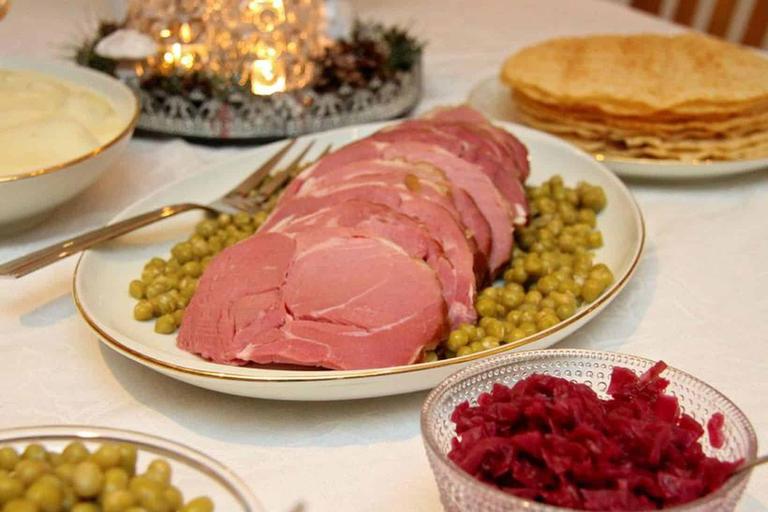
Hangikjöt (Smoked Lamb): A beloved traditional dish, Hangikjöt is often served during special occasions like Christmas. Its unique taste comes from the traditional smoking process, using Icelandic birch, or sometimes dried sheep dung, to infuse the meat with a distinctive flavor.
Harðfiskur (Dried Fish): This is a staple snack in Iceland, often enjoyed with butter. It’s not only a part of the traditional Icelandic diet but also a great source of protein.
Slátur: Similar to haggis, Slátur consists of sheep’s offal mixed with blood, fat, and oats, encased in the animal’s stomach. This dish is a perfect example of the nose-to-tail eating philosophy that’s been a part of Icelandic cooking for centuries.
Rúgbrauð (Icelandic Rye Bread): This dense, dark bread is traditionally baked in the ground near hot springs, demonstrating the ingenious use of Iceland’s geothermal energy for cooking.
Svið: Svið is an iconic Icelandic dish made from singed and boiled sheep’s head, known for its unique preparation and strong cultural significance in Iceland’s culinary heritage.
Sviðasulta (Sheep’s Head Jelly): This dish is made from pressed sheep’s head cut into slices. It’s a unique example of traditional Icelandic food preservation methods and is often enjoyed cold.
Kjötsúpa (Icelandic Meat Soup): A hearty and warming soup, Kjötsúpa is made with lamb and a variety of root vegetables like potatoes, carrots, and rutabaga. It’s a staple in Icelandic households, especially during the colder months.
Skyr: While often compared to yogurt, Skyr is actually a soft cheese, rich in protein and low in fat. It’s been a part of Icelandic cuisine for over a thousand years and is commonly enjoyed with milk and sugar, or as a base in various desserts.
Each of these dishes offers a unique insight into Iceland’s culinary culture. They reflect a time when the harsh climate and challenging landscapes dictated the food practices. Today, these dishes are celebrated for their cultural significance and distinct flavors that can be hard to find elsewhere.
Icelandic Seafood
Surrounded by the North Atlantic, Iceland has a rich variety of seafood. Plokkfiskur, a hearty fish stew, is a staple, while fresh Icelandic cod and salmon are celebrated for their quality and taste. These dishes not only highlight Iceland’s culinary prowess but also its commitment to sustainable fishing practices.
Plokkfiskur: A beloved fish stew made with boiled fish (typically cod or haddock), potatoes, onions, and béchamel sauce, offering a comforting and hearty taste.
Graflax: Salmon cured in salt, sugar, and dill, a Nordic dish that’s popular in Icelandic cuisine, served thinly sliced with a mustard sauce.
Rækjur (Shrimp): Icelandic shrimp, known for their sweetness and firm texture, are used in various dishes, from salads to creamy sauces.
Humar (Icelandic Lobster): A delicacy, Icelandic lobster or langoustine is smaller than typical lobsters and is renowned for its tender, buttery flavor.
Smoked Trout: In Iceland, trout is often smoked, which imparts a rich, deep flavor. It’s a popular ingredient in Icelandic cuisine, enjoyed in various forms, from simple slices to inclusion in elaborate dishes.
Smoked Salmon: Similar to smoked trout, smoked salmon is a staple in Icelandic food culture. The smoking process, which uses local woods and traditional methods, adds a unique depth of flavor to the salmon.
Bacalao (Salted Cod): A dish with roots in Iceland’s trading history, bacalao is salted cod, often rehydrated and cooked in a variety of ways, from stews to pan-fried preparations.
Fiskibollur (Fish Balls): A common feature in Icelandic home cooking, fiskibollur are fish balls made from ground fish, often cod or haddock, mixed with flour and milk, and seasoned before being fried.
Modern Icelandic Cuisine
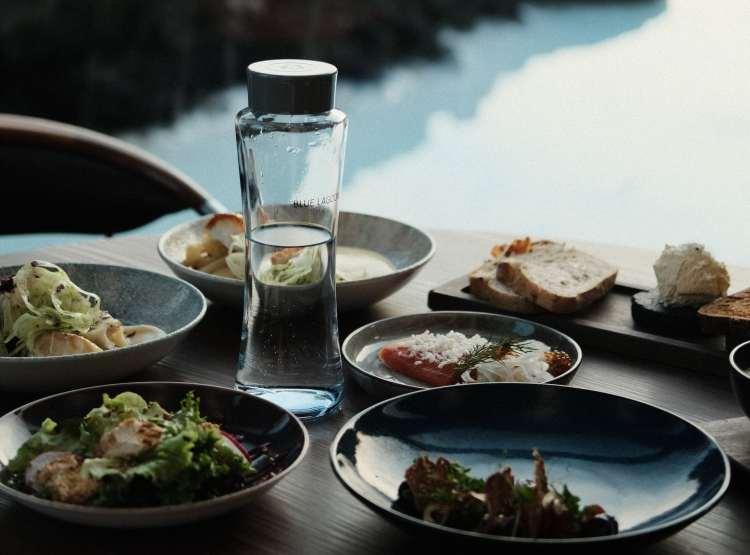
In recent years, modern Icelandic cuisine has not only captured the imagination of food lovers worldwide but has also garnered international acclaim. In a delightful culinary evolution, Icelandic chefs are skillfully reimagining and reinventing traditional recipes, infusing them with contemporary techniques and global influences. This fusion creates a culinary identity that is uniquely and unmistakably Icelandic, yet appealing to a global palate.
Nowhere is this blend of old and new more evident than in the busy restaurant scene in Reykjavik. Here, in the heart of Iceland’s capital, tradition meets innovation on plates that are as visually stunning as they are flavorful. From the rustic charm of countryside kitchens to the sophisticated ambiance of city eateries, the diversity of Iceland’s culinary landscape is on full display.
To give you a taste of this exciting culinary trend, we’ve compiled a list of examples showcasing how traditional Icelandic ingredients and dishes are being transformed in modern kitchens. These dishes are a testament to the creativity and versatility of Iceland’s contemporary chefs, who are redefining the nation’s food culture while staying true to its roots. Join us as we explore these innovative interpretations.
Icelandic Pylsur (Hot Dogs): A national favorite, these hot dogs are made primarily from Icelandic lamb, along with pork and beef, and are often topped with remoulade, sweet mustard, ketchup, crispy fried onions, and raw onions.
Birch-Flavored Lamb: A modern twist on the traditional Hangikjöt, this dish features lamb infused with the subtle, earthy flavors of Icelandic birch, showcasing the innovative use of local ingredients.
Arctic Char with Crowberry Sauce: A fusion dish featuring locally caught Arctic char, served with a sauce made from crowberries, blending the traditional Icelandic fish with a modern, uniquely Icelandic berry accompaniment.
Skyr Mousse with Wild Berry Compote: This dessert elevates traditional skyr to a new level, turning it into a light, airy mousse and pairing it with a compote of wild Icelandic berries for a modern, sophisticated dessert.
New Nordic Rye Bread (Rúgbrauð): A contemporary version of the classic rúgbrauð, baked using innovative techniques to enhance its texture and flavor, often paired with modern accompaniments like smoked trout or pickled herring.
Icelandic Herb-Infused Cocktails: Utilizing traditional Icelandic herbs like Arctic thyme or angelica, these innovative cocktails represent a fusion of Iceland’s foraging tradition with contemporary mixology.
Seaweed-Seasoned Dishes: Chefs in Iceland are increasingly using seaweed, a traditional ingredient, in innovative ways, seasoning everything from fish to lamb, adding a unique, umami-rich Icelandic flavor.
Geothermally Cooked Soups: Modern chefs are adopting the traditional method of cooking soups and stews using Iceland’s geothermal heat, but with contemporary ingredients and flavors, showcasing the fusion of tradition and innovation.

Local Ingredients and Foraging Culture
The heart of Icelandic cooking lies in its use of fresh, local ingredients. Lamb, dairy, and wild herbs, foraged from the pristine Icelandic landscape, are staples. This foraging culture not only defines the flavors of the cuisine but also underscores a sustainable approach to food.
Icelandic Lamb: Renowned for its quality, Icelandic lamb is free-range, grazing on wild grasses, herbs, and berries, which imparts a unique flavor to the meat.
Wild Berries: Iceland’s countryside offers an abundance of wild berries, like bilberries (blueberries) and crowberries, which are foraged and used in jams, desserts, and sauces.
Arctic Herbs: Herbs like Arctic thyme and angelica, which grow in the wild, are essential in traditional Icelandic cooking, adding unique flavors to dishes.
Geothermally Grown Vegetables: Utilizing the geothermal energy, Icelanders grow a variety of vegetables like tomatoes and cucumbers in greenhouses, ensuring freshness and sustainability.
Fresh Seafood: The cold, clean waters around Iceland provide an array of seafood, including cod, haddock, and Arctic char, fundamental to the Icelandic diet.
Seaweed: Harvested from the Icelandic shores, seaweed is used in various culinary applications, from seasoning to healthy snacks, reflecting the connection to the sea.
Icelandic Dairy: Products like skyr (a traditional, yogurt-like cheese) and unique Icelandic butter are staples, valued for their purity and rich taste.
Wild Mushrooms: Foragers collect a variety of mushrooms from Icelandic forests, which are used in everything from soups to sauces, adding earthy flavors to dishes.
Mountain Lamb: In autumn, lambs that graze in the highlands are sought after for their distinct, herb-infused flavor, a result of their diet of wild mountain herbs.

Icelandic Sweets, Desserts and Pastry
Diving into the world of Icelandic cuisine reveals a sweet side that’s as rich and varied as its savory counterpart. A journey through Icelandic desserts and sweets unveils a particular fondness for liquorice, which is creatively incorporated into a myriad of confections. These treats, along with a variety of pastries and desserts, showcase Iceland’s unique approach to sweet indulgences, blending traditional tastes with innovative twists.
Kleinur (Icelandic Doughnuts): A traditional Icelandic pastry, Kleinur is a twisted, fried doughnut-like treat, flavored with cardamom. It’s a popular snack in Iceland, often served with coffee.
Pönnukökur (Icelandic Pancakes): These are thin, crepe-like pancakes, traditionally rolled up with a sprinkle of sugar, or filled with jam and whipped cream. Pönnukökur are a cherished treat in Icelandic households, especially during festive occasions.
Lummur: Lummur are traditional Icelandic pancakes, soft and thick, often enjoyed with jam and whipped cream, serving as a comforting snack or a delightful breakfast treat.
Flatkökur (Flat Bread): Often served with smoked lamb or fish, these traditional Icelandic flatbreads are a quick and delicious snack.
Astarpungar: Also known as “Love Balls,” these are small doughnut-like pastries filled with raisins and deep-fried, commonly enjoyed during the Christmas season.
Vínarterta: A multi-layered cake, with layers of thin cookie-like bread alternated with spiced prune jam, and often covered in a thin layer of icing.
Hjónabandssæla: Often translated as “Happy Marriage Cake,” this is a traditional oatmeal and rhubarb jam tart, a classic and simple Icelandic dessert.
Bolludagur Cream Puffs: These cream-filled choux pastries are a special treat enjoyed on Bolludagur, or “Bun Day,” part of the Icelandic celebration of Lent.
Icelandic Licorice: A particularly popular sweet in Iceland, it comes in various forms, from pure licorice sticks to chocolate-covered licorice and is often combined with other flavors like mint or marzipan.
Rúgbrauðsís (Rye Bread Ice Cream): A unique Icelandic dessert that incorporates rye bread into ice cream, often served with rhubarb compote or caramel sauce.
Jólakaka (Christmas Cake): A traditional Christmas cake, lightly spiced and studded with raisins, candied citrus peels, and almonds.
Snúður: A cinnamon roll-like pastry, often topped with icing or chocolate, beloved in Iceland and commonly enjoyed as a sweet snack.
Kanilsnúðar (Cinnamon Buns): Icelandic cinnamon buns, known for their soft texture and aromatic cinnamon filling, often enjoyed with coffee.
Skyrkaka (Skyr Cake): A no-bake cheesecake-style dessert made with skyr, offering a tangy flavor and creamy texture, often topped with fresh berries.
Brauð & Co Cinnamon Buns: Famous for their flaky, buttery texture and generous cinnamon filling, these cinnamon buns from Brauð & Co have become a staple in Reykjavik’s pastry scene. Perfectly balanced in sweetness and spiced with cinnamon, they are a favorite among locals and visitors alike, often enjoyed fresh and warm from the oven.
Omnom Chocolate: A standout in the world of Icelandic sweets, Omnom is an artisanal chocolate brand known for its innovative and high-quality chocolate bars. Crafted in Reykjavik, these chocolates blend unique Icelandic flavors, such as sea salt and licorice, with premium cacao, creating a luxurious and distinctive tasting experience that’s both modern and deeply rooted in Icelandic culinary tradition.

Icelandic Food Walks and Culinary Tours Experience
For those eager to immerse themselves in Iceland’s food scene, food walks and culinary tours offer an authentic experience. These tours provide a hands-on approach to understanding Icelandic cuisine, from tasting traditional dishes to visiting local markets.
Reykjavik Food Walk: Explore the heart of Reykjavik and taste traditional Icelandic dishes while learning about the city’s rich culinary history.
Reykjavik Food Tour by Wake Up Reykjavik: Discover the heart of Icelandic cuisine on this guided tour through Reykjavik, tasting everything from traditional dishes to sweet local treats, all while soaking in the city’s rich culture and history.
Icelandic Cooking Class: Participate in a hands-on cooking class to learn the preparation of classic Icelandic dishes.
Craft Beer Tour: Explore Reykjavik’s craft beer scene with Your Friend in Reykjavik.
Eating out in Reykjavík
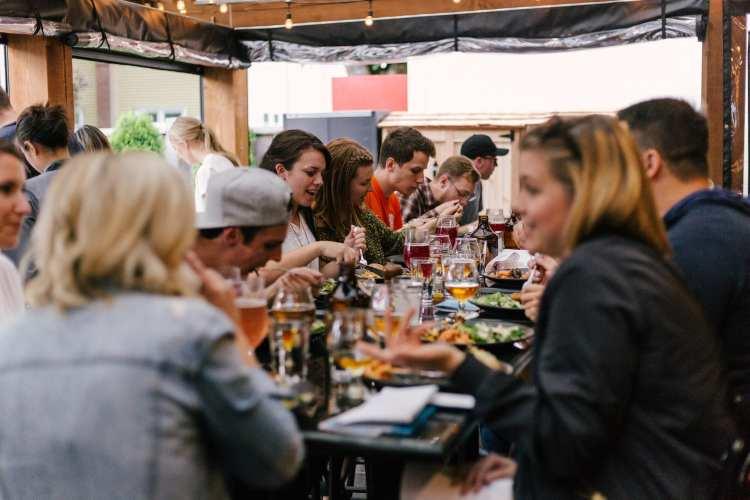
Dining out in Iceland is not cheap. A main course at a casual restaurant in Reykjavík typically costs 3,000–5,000 ISK (roughly $22–$36 USD), while a meal at a mid-range restaurant runs 5,000–8,000 ISK. Fine dining can easily exceed 10,000 ISK per person. A famous Icelandic hot dog at Bæjarins Beztu Pylsur costs around 590 ISK, still one of the best deals in the city.
For more detail on food costs, see our guide to grocery prices in Iceland and the broader cost of living breakdown.
Frequently Asked Questions
Where can I try hákarl (fermented shark)?
The Kolaportið flea market in downtown Reykjavík sells hákarl year-round, and several restaurants on Laugavegur offer tasting portions. It’s also served at the midwinter Þorrablót feast in January and February.
Is Icelandic food expensive?
Yes. Iceland imports much of its food, and high wages push restaurant prices up. Budget supermarkets like Bónus, Krónan, and Nettó help keep grocery costs manageable. Cooking at home is significantly cheaper than eating out.
Are there good options for vegetarians and vegans?
Reykjavík has a growing plant-based scene. Restaurants like Kaffi Loki serve traditional vegetarian dishes, and most modern restaurants offer at least one or two meatless mains. Outside the capital, options are more limited.
What is Þorrablót?
Þorrablót is a midwinter festival held in January–February where Icelanders eat Þorramatur, a spread of traditional preserved foods including fermented shark, singed sheep’s head, blood pudding, and dried fish. It’s part celebration, part endurance test. Read more in our guide to Icelandic holidays and traditions.
What’s the best Icelandic food to bring home as a souvenir?
Omnom chocolate bars, Icelandic liquorice, dried fish (harðfiskur), and jars of rhubarb jam are popular and easy to pack. Skyr and smoked lamb don’t travel as well but are worth trying while you’re here.
Can I find familiar international food in Iceland?
Yes, especially in Reykjavík. You’ll find Thai, Indian, Chinese, Italian, and American-style restaurants. Grocery stores also carry a reasonable range of international products, though selection is smaller than in mainland Europe.
Conclusion
Icelandic food tells the story of a resourceful island nation. Centuries of preserving what the land and sea provided, now meeting a generation of chefs who treat those same ingredients with modern ambition. A bowl of kjötsúpa on a dark winter evening, a pylsur grabbed from a downtown stand, a slice of smoked lamb at Christmas. The food here is deeply tied to the place.
Verði þér að góðu. Enjoy your meal.
For a broader picture of daily life, see our guide to moving to Iceland.
Helping you navigate your move and settling in the land of fire and ice.