
Jobs in Demand in Iceland

Movingtoiceland.com EditorFounding Editor
Updated Mar 17, 2026 · Published Aug 7, 2023 · 12 min read

Track your Iceland journey, plan, learn, and connect
Sign up free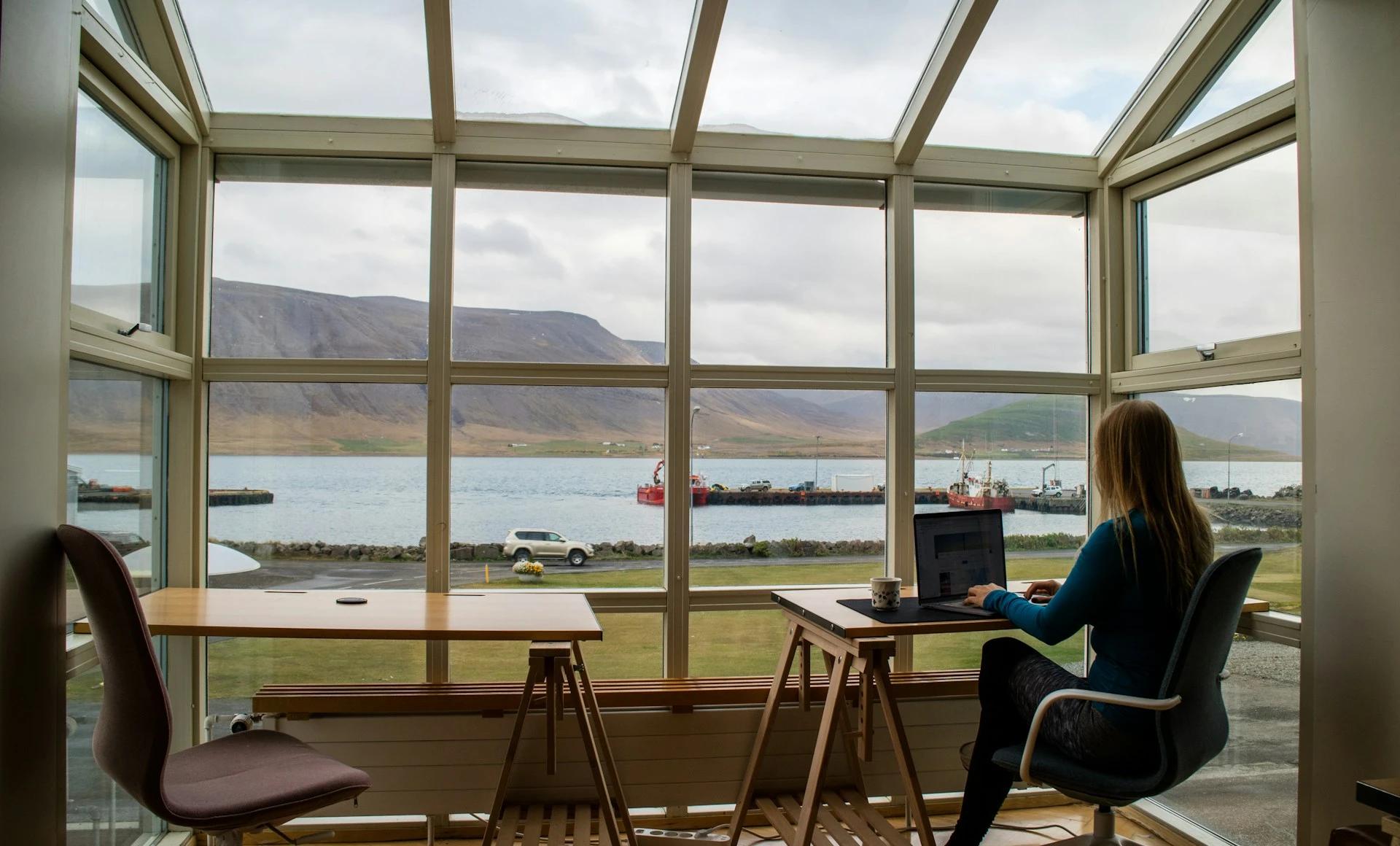
Iceland's digital nomad visa (Long-Term Visa for Remote Work) allows non-EEA remote workers to live in Iceland for up to 180 days. This guide covers eligibility, income requirements, the application process, and what to expect.
A breakdown of the average salary in Iceland by industry, occupation level, and region, with current figures on earnings, tax brackets, and what to expect in take-home pay.
Iceland is expensive, but high wages, cheap geothermal energy, and strong worker protections mean most people with full-time jobs live comfortably. Here is what you will actually spend each month in 2026, category by category.
Iceland's labour market is small, with around 222,000 employed people. The unemployment rate was 4.2% in December 2025, according to Statistics Iceland, and foreign workers now make up roughly 24% of the workforce. The market is not as tight as it was a few years ago, but demand in specific industries remains strong. For anyone planning a move, knowing which jobs are in demand in Iceland is the difference between landing a role quickly and spending months in limbo.
The sections below cover each major shortage sector, what they pay, and what it takes to get in as a foreigner. For a broader overview of the job search process, see our guide to finding a job in Iceland.
Table of contents
Healthcare is Iceland's most persistent shortage sector. The EURES labour market report consistently identifies human health and social work as the sector with the highest vacancy rate in the country.
Nurses are in the most acute demand. Iceland's ageing population and the expansion of elderly care facilities have created a gap that domestic graduates alone cannot fill. Hospitals, nursing homes, and regional health centres all recruit actively, and foreign-trained nurses with validated credentials have a realistic path to employment.
Doctors, particularly specialists, are also sought after. Landspítali, the national university hospital and Iceland's largest single employer, regularly advertises for physicians. General practitioners are needed at heilsugæslustöðvar (primary care centres) across the country, not just in Reykjavík.
Other in-demand healthcare roles include physiotherapists, pharmacists, and mental health professionals. Icelandic language skills are generally required for patient-facing positions, though some hospital departments and research roles operate partly in English. For more on the health system itself, see our healthcare in Iceland guide.
Construction has historically had the most pronounced worker shortages of any sector in Iceland. The market has cooled from its peak, and Íslandsbanki's February 2026 labour market report describes overall slack in the economy. Still, housing demand and infrastructure projects continue to create openings, particularly in the greater Reykjavík area, and construction remains one of the sectors most reliant on foreign labour.
Electricians, plumbers, carpenters, welders, and general construction labourers are all in steady demand. Skilled tradespeople earn well, with overtime pushing total earnings higher. Foreign qualifications are generally accepted, though some trades require validation through Icelandic professional bodies. For many non-EEA citizens, construction roles qualify as labour shortage permits, which simplifies the work permit process.
Iceland's tech sector employs over 12,000 people and contributes around 8.5% of GDP. Reykjavík has become a growing hub for software development, fintech, gaming, and cleantech startups, with over 300 active startups operating in these fields.
Software developers are the most sought-after tech professionals. Roles in backend and full-stack development, cloud computing, cybersecurity, and data science all have strong demand. The sector has been projected to face a shortage of over 1,000 tech professionals, and companies actively recruit internationally to fill gaps.
Gaming is a notable sub-sector. CCP Games, the studio behind EVE Online, is one of Iceland's largest and most internationally diverse tech employers. Its workforce includes developers and designers from dozens of countries, and the company operates entirely in English. Other studios and creative tech firms contribute to a small but active gaming cluster in Reykjavík.
Salaries are competitive by European standards, particularly for senior engineers and specialists. For a full salary breakdown, see our average salary in Iceland guide.
English is the working language at most tech companies, making this one of the most accessible sectors for foreigners who do not speak Icelandic.
Tech is also the sector most open to remote and hybrid arrangements. Many Reykjavík-based companies offer flexible schedules, and roles in software development, digital marketing, UX/UI design, and data analysis are increasingly remote-friendly. If you are already working remotely for a company outside Iceland, the digital nomad visa lets you live in the country for up to six months without an Icelandic employer.
Iceland has a growing pharmaceutical and biotech manufacturing sector. The anchor employer is Alvotech, a biosimilar manufacturer headquartered in Reykjavík with a large-scale production facility that employs hundreds of workers. The company actively recruits foreign nationals, including significant numbers of workers from India and other non-EEA countries, and operates primarily in English.
Roles span production and quality control, process engineering, regulatory affairs, laboratory science, and supply chain management. For workers with backgrounds in pharmaceutical manufacturing, chemistry, or bioengineering, these positions offer a clear path to employer-sponsored work permits.
Other biotech and life sciences companies operate in Iceland as well, though none yet match Alvotech's scale. The sector benefits from Iceland's clean energy infrastructure and strong regulatory environment.
Tourism employs an average of around 31,500 people per year, according to Statistics Iceland. With approximately 2.3 million tourists visiting Iceland in 2024, the sector remains one of the country's largest employers.
Demand is seasonal, peaking sharply from May through September. During these months, hotels, restaurants, car rental agencies, and tour operators hire heavily. Roles include hotel staff, kitchen workers, waitstaff, tour guides, drivers, and cleaning personnel.
Tourism jobs are among the most accessible for newcomers. English is sufficient for most roles, and many positions do not require formal qualifications. Pay is lower than in skilled sectors, but the tradeoff is easier entry and rapid hiring.
Outside the peak season, many tourism roles scale back or disappear entirely. Workers in rural tourism areas are particularly affected, as off-season alternatives can be limited. If you are considering tourism work, factor in the reality of seasonal income gaps.
Beyond hospitality, there is year-round demand for unskilled and semi-skilled labour in Iceland's urban areas. Cleaning services, warehouse operations, delivery driving, and retail are consistently available in and around Reykjavík. These roles do not require Icelandic or formal qualifications and serve as a common first foothold for newcomers while they build language skills or wait for credential validation.
Fishing remains central to Iceland's economy and export base, though it employs far fewer people than it once did. The industry is highly mechanised, and the quota system concentrates activity in specific ports.
In-demand roles include fish processing workers, marine engineers, deckhands, and quality control specialists. These jobs are especially available in coastal towns outside the capital region, including in the Westfjords, the East, and the North.
Pay in fishing can be above average thanks to catch-based bonus structures, though the work is physically demanding and the hours are long. Immigrants make up a disproportionate share of the fish processing workforce, and these roles are often among the first available to newcomers with limited Icelandic skills.
Education is a growing shortage area. The EURES report lists education among the sectors with the highest vacancy rates.
The most severe gap is in early childhood education. According to available data, a significant majority of leikskóli (preschool) staff in Iceland do not hold full teaching qualifications, and there is active demand for qualified preschool teachers.
At the primary and secondary level, teachers with specialisations in STEM subjects, special education, and Icelandic as a second language are particularly needed. Fluent Icelandic is required for most teaching positions, which limits access for recent arrivals. For more on this, see our guide to learning Icelandic.
Iceland generates virtually all of its electricity from geothermal and hydroelectric sources. The country is expanding its energy infrastructure and positioning itself as a hub for data centres and energy-intensive industries, which creates demand for specialised workers.
In-demand roles include geothermal engineers, environmental scientists, electrical engineers, and project managers with energy sector experience. These are niche positions, and the total number of openings in any given year is small. Candidates with relevant qualifications and international experience stand out.
Most renewable energy employers are based in or near Reykjavík, though geothermal plants operate across the country.
Iceland's abundant cheap electricity has attracted several large aluminium smelters, operated primarily by multinational companies. These plants are major employers in their regions, particularly in East Iceland and the Westfjords.
Roles in production engineering, smelter operations, process engineering, and maintenance are periodically available. The work is industrial and shift-based. Pay is generally strong, reflecting the demanding conditions.
Aluminium production is unlikely to see major expansion, but existing operations maintain a steady need for replacement workers and specialists.
Foreign workers already play a large role in Iceland's economy. Immigrants make up approximately a quarter of the workforce, according to OECD data, with particularly high concentrations in tourism, construction, fishing, and healthcare.
If you are an EEA/EFTA citizen, you can work in Iceland without a work permit. You only need to register with Þjóðskrá (Registers Iceland) within three months of arrival.
If you are from outside the EEA, your employer must apply for a work permit on your behalf. Permits are typically granted more readily in shortage sectors, particularly healthcare, IT, construction, and tourism. The process is detailed in our work permit guide.
For remote workers employed by companies outside Iceland, the digital nomad visa provides an alternative path to legal residence without an Icelandic employer.
All figures below are gross monthly earnings for full-time workers, based on 2024 data from Statistics Iceland and sector sources. For detailed breakdowns, see our salary guide.
Sector | Typical monthly range (ISK) |
|---|---|
Technology and software | 800,000–1,400,000 |
Pharmaceutical and biotech | 650,000–1,200,000 |
Healthcare (doctors) | 1,100,000–1,700,000+ |
Healthcare (nurses) | 650,000–900,000 |
Construction and trades | 700,000–1,000,000 |
Fishing (with bonuses) | 600,000–1,000,000+ |
Education | 600,000–850,000 |
Tourism and hospitality | 425,000–600,000 |
Iceland does not have a statutory minimum wage. Wages are set through collective bargaining agreements, and roughly 90% of workers are covered. The effective minimum for full-time unskilled work is approximately 513,000 ISK gross per month (as of January 2026).
For a full picture of what these wages mean in practice after tax and rent, see our cost of living breakdown.
A few things consistently improve your chances of finding in-demand work in Iceland.
Get your qualifications validated. Healthcare, education, and some trade roles require formal recognition of foreign credentials. Start this process before you arrive. The relevant professional bodies and the Directorate of Labour can advise on requirements.
Learn Icelandic. While English is sufficient for tech, tourism, and some trade roles, Icelandic is expected in healthcare, education, government, and many long-term professional positions. Even basic proficiency signals commitment to employers. See our guide to learning Icelandic.
Use the right job boards. The main platforms for job listings in Iceland include Vinnumálastofnun (the Directorate of Labour), Alfred.is, Job.is, Storf.is, and the EURES portal. The government's Work in Iceland portal is a useful starting point for understanding the market. Recruitment agencies like Intellecta and Adecco Iceland handle roles that are not publicly advertised.
Be in Iceland. Employers strongly prefer candidates who are already in the country or can start quickly. If you are serious about finding work, being physically present in Iceland gives you a significant advantage over remote applicants.
For a step-by-step walkthrough of the job search process, read our full guide to finding a job in Iceland. For the big picture of relocating, start with our complete guide to moving to Iceland.
What are the most in-demand jobs in Iceland right now? Healthcare (especially nursing), construction and skilled trades, software development, and tourism have the strongest hiring demand. The overall labour market is not as tight as it was a few years ago, but these sectors continue to recruit actively, and healthcare has the most persistent long-term shortages.
Can I work in Iceland without speaking Icelandic? Yes, particularly in technology, tourism, hospitality, and some construction roles where English is sufficient. Patient-facing healthcare jobs, teaching positions, and government roles almost always require Icelandic.
Is it hard to get a job in Iceland as a foreigner? It depends on your citizenship and skills. EEA/EFTA citizens can work freely. Non-EEA citizens need an employer-sponsored work permit, which is more readily approved in shortage sectors like healthcare, IT, and construction. Iceland's small labour market means competition is real, but demand in key sectors works in your favour if you have relevant skills.
Do I need a degree to work in Iceland? Not for all roles. Many tourism, hospitality, construction, and fish processing positions do not require formal qualifications. Skilled trades, healthcare, education, and tech roles generally require recognised credentials or demonstrable experience.
What is the minimum salary in Iceland? Iceland has no statutory minimum wage. Instead, wages are set through union-negotiated collective agreements. The effective floor for full-time unskilled work is approximately 513,000 ISK gross per month (as of January 2026), though it varies slightly by sector.
Are seasonal jobs available in Iceland? Yes. Tourism and hospitality roles surge from May through September, and fishing has seasonal patterns depending on species and quotas. Seasonal work is one of the most common entry points for foreign workers, particularly in hotels, restaurants, and tour operations.
Last updated: March 2026