Step 5: Wait for a decision. Processing typically takes 3 to 4 weeks, according to the Work in Iceland FAQ. Incomplete applications take longer. The Directorate will contact you by email if documents are missing or if additional information is needed.
Step 6: Enter Iceland within 90 days. Once approved, you must arrive in Iceland within 90 days. If you do not, you will need to resubmit your income and health insurance documents.
Step 7: Activate your visa. After arriving, contact the Directorate of Immigration to have the visa formally issued. The visa starts from the date of issuance, not the date of approval.
Those already in Iceland on a visa-free Schengen stay should apply at least 14 days before their 90-day period expires. The steps are the same, but the maximum visa duration is shorter (see next section).
Duration, renewal, and Schengen rules
Duration depends on where you apply from.
If you apply from your home country and do not enter the Schengen Area before the decision is made, you can receive a visa for up to 180 days.
If you apply after entering the Schengen Area (for example, while already in Iceland on a tourist stay), the maximum is 90 days. If you entered the Schengen Area before a decision is made but after submitting from your home country, your visa duration is 180 days minus whatever days you already spent in the Schengen Area.
The visa is not renewable. Once it expires, you must leave. You cannot apply for another Icelandic long-term visa for 12 months after your previous one was issued.
Schengen travel is permitted. While holding the visa, you can travel freely within the Schengen Area for up to 90 days out of any 180-day period. Your visa is multiple-entry, meaning you can leave Iceland and re-enter during its validity. However, any days spent outside Iceland still count against your visa's fixed calendar period. They are not added back.
After 180 days. The general rule is that after using the full visa, you must leave the Schengen Area and wait 90 days before re-entering under standard visa-free rules. You cannot apply for a new digital nomad visa for 12 months from the date the previous one was issued.
Taxes, healthcare, and what the visa does not include
This visa is designed as a short-term arrangement, and it comes with significant limitations.
Taxes. Digital nomad visa holders stay in Iceland for fewer than 183 days and are not considered tax residents. You will not owe Icelandic income tax on your foreign earnings. That said, you remain responsible for any tax obligations in your home country and the jurisdictions where your employer or business is registered. Consult a tax professional in your home country before departure, particularly if your country taxes worldwide income (as the US does). For background on how the Icelandic system works, see our tax system guide.
No kennitala. You will not receive an Icelandic national ID number. This means you cannot open a bank account, sign a standard phone contract, or access many services that require a kennitala (Iceland's national ID number). Plan accordingly: bring a phone plan that works internationally, and carry a debit or credit card with no foreign transaction fees. Our kennitala guide explains what the number is and who gets one.
No access to public healthcare. Without a kennitala, you are not enrolled in Iceland's public health system. Your private health insurance is your only coverage. Make sure your policy includes adequate provisions for emergency care, evacuation, and any pre-existing conditions.
No path to residency. The digital nomad visa does not count toward permanent residence. It does not convert into a work permit. If you want to stay beyond 180 days, you would need to apply for a separate residence permit through one of Iceland's standard immigration pathways, such as a work permit or student visa.
Bringing your family
Spouses, cohabiting partners, and children under 18 can apply for long-term visas as family members of the primary remote worker. Each family member must meet their own eligibility requirements:
Spouses and partners must be visa-exempt for the Schengen Area (same nationality requirement as the primary applicant). You will need to submit a marriage certificate, or documents proving that the cohabitation has lasted at least one year. The income threshold for the primary applicant rises to 1,300,000 ISK per month when including a partner.
Children must also be visa-exempt. Additional requirements include a birth certificate, custody documents, and (for children aged 6 to 16) written confirmation of educational arrangements. Accepted options include remote instruction from a school in the home country, enrolment at a school in Iceland, or documentation of homeschooling.
Each family member pays the 12,200 ISK processing fee separately and must carry their own health insurance meeting the 2,000,000 ISK minimum. Family members do not need to travel at the same time as the primary applicant, but their visa duration is tied to the primary applicant's visa period.
One important limitation: if your partner holds a passport from a country that requires a Schengen visa, they are not eligible for this programme, even if you are.
Practical considerations for remote workers in Iceland
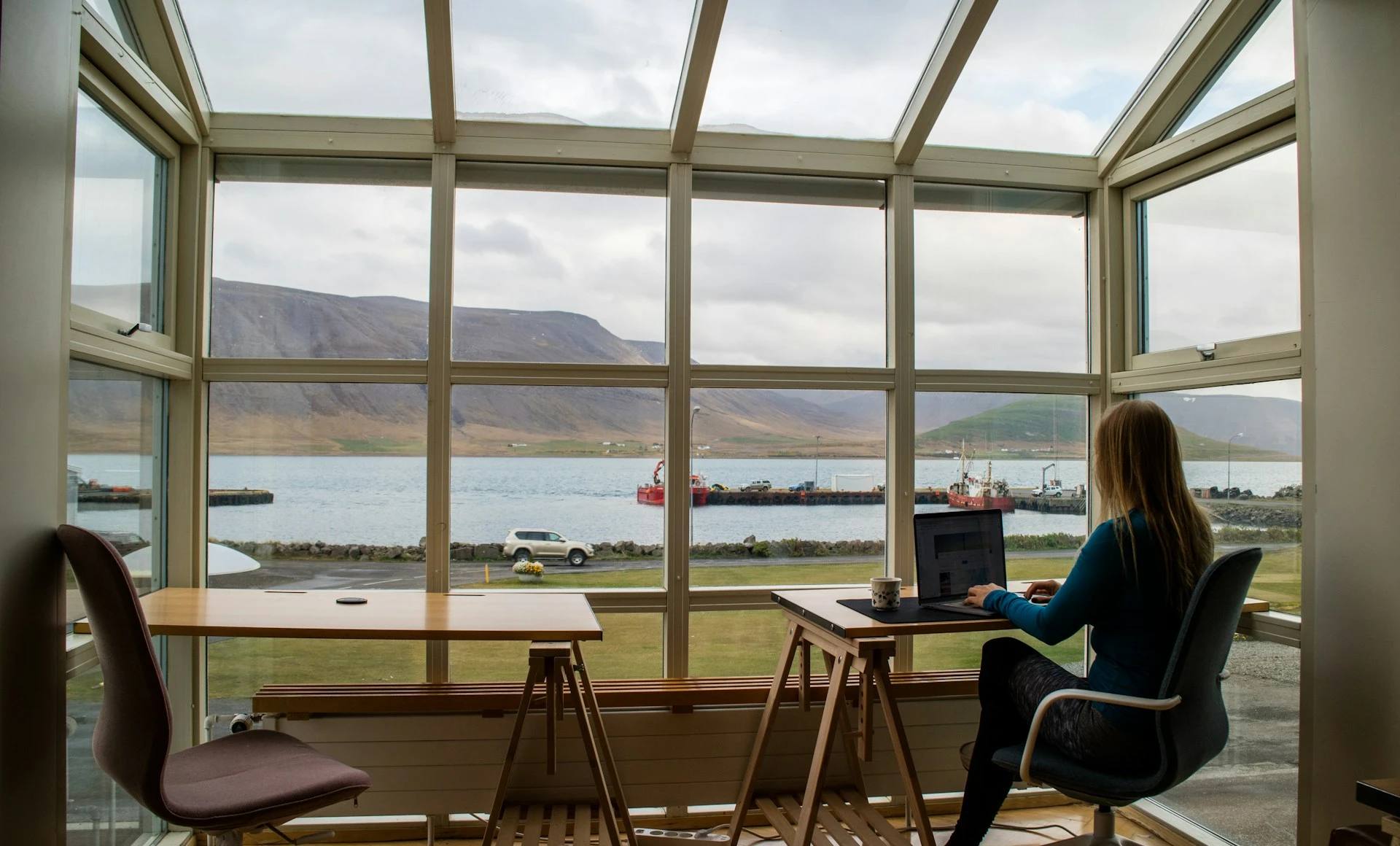
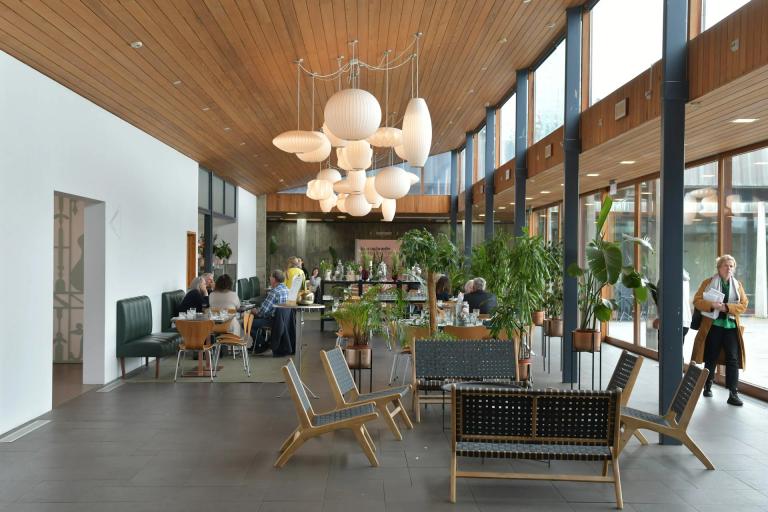 Internet. Iceland has some of the fastest and most reliable internet in the world. Average fixed broadband download speeds are in the range of 250 to 300 Mbps (as of early 2025, per Ookla/Speedtest data). Co-working spaces are available in Reykjavik, including Regus, Reykjavik Coworking Unit, and Innovation House. Most cafés also offer strong Wi-Fi. Connectivity is generally reliable even outside the capital, though speeds may be slower in remote rural areas.
VPN and online privacy. Working remotely from public Wi-Fi networks in cafés and co-working spaces carries the usual security risks. A VPN encrypts the connection between a laptop and the employer’s servers. It also allows access to region-locked services — streaming platforms, banking portals, and work tools that may restrict logins to specific countries. NordVPN is a widely used option with apps across all major platforms.
Time zone. Iceland operates on UTC+0 year-round with no daylight saving time. This makes it convenient for overlapping with European business hours and workable (though early) for US East Coast schedules. West Coast US teams will have a significant time gap.
Cost of living. Iceland is expensive. Even without paying rent at Reykjavik rates, daily costs for groceries, dining, and transport add up quickly. A realistic monthly budget for a single person in Reykjavik runs 375,000 to 560,000 ISK (approximately $3,000 to $4,500 USD as of March 2026), with rent being the largest variable. Our cost of living guide breaks down these numbers in detail, and our budget calculator can help you estimate your monthly spending.
Accommodation. Since you will not have a kennitala, the standard rental market is largely inaccessible. Most digital nomad visa holders use Airbnb, serviced apartments, or guesthouses. Some landlords will rent to foreign nationals without a kennitala on shorter lease terms, but this is not standard. Budget for higher accommodation costs than what long-term residents pay.
Weather and darkness. If you visit during summer (May through August), you get near-constant daylight and mild temperatures. Winter means 4 to 5 hours of light in December and January, and average temperatures around 0°C (32°F) in Reykjavik. This affects mood, productivity, and daily routines. Plan your stay timing with this in mind.
Getting around. Public transport within Reykjavik exists but is limited. A car is practical if you want to explore beyond the capital area. You can rent one, but car rental in Iceland is expensive, particularly for longer periods. Our public transport guide covers what is available, and our driving license conversion guide explains the rules for using your foreign license.
Frequently asked questions
How much do I need to earn to qualify for Iceland's digital nomad visa?
You need a monthly income of at least 1,000,000 ISK (approximately $8,000 USD as of March 2026) from work performed for an employer or business outside Iceland. If your spouse or partner is also applying, the threshold rises to 1,300,000 ISK per month (approximately $10,400 USD). The exchange rate is calculated on the date the Directorate of Immigration makes its decision.
Can I extend the digital nomad visa beyond 180 days?
No. The visa cannot be extended or renewed. Once it expires, you must leave Iceland and wait 12 months from the date of issuance before applying for a new one.
Do I pay taxes in Iceland on the digital nomad visa?
No. You stay for fewer than 183 days and are not considered an Icelandic tax resident. You will not be registered with a legal address or issued a kennitala. You remain responsible for taxes in your home country and any other jurisdictions where you or your employer have tax obligations.
Can I apply online?
No. The application is paper-only. You must print and complete the L-802 form, then mail it or deliver it in person to the Directorate of Immigration at Dalvegur 18, 201 Kópavogur, Iceland.
What if my spouse needs a Schengen visa?
They are not eligible. Both the primary applicant and any accompanying family members must hold passports from visa-exempt countries. If your partner's nationality requires a Schengen visa to enter Iceland, they cannot join you on this programme.
Will I receive a kennitala?
No. Digital nomad visa holders are not issued an Icelandic national ID number. This limits access to banking, phone contracts, and public services that require one.
Last updated: March 2026


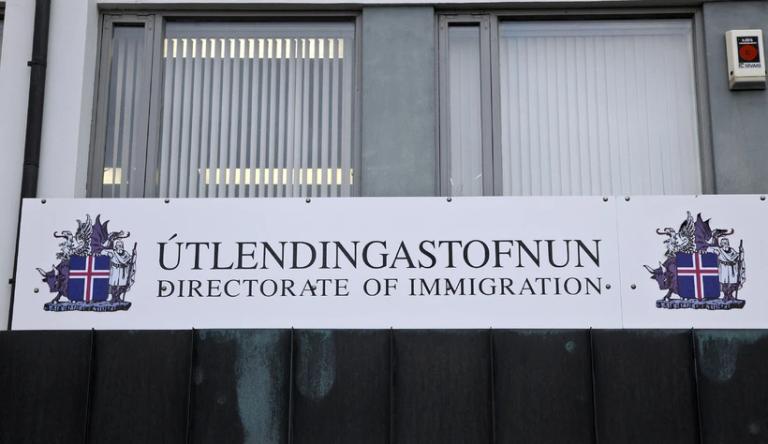 The application process is entirely paper-based. There is no online submission option.