Where to Live in Iceland

Most people who move to Iceland settle in the capital region, but Akureyri, Selfoss, and smaller towns offer lower rent and a different pace of life. A region-by-region breakdown of costs, services, and what daily life looks like.
Where to live in Iceland starts with one question
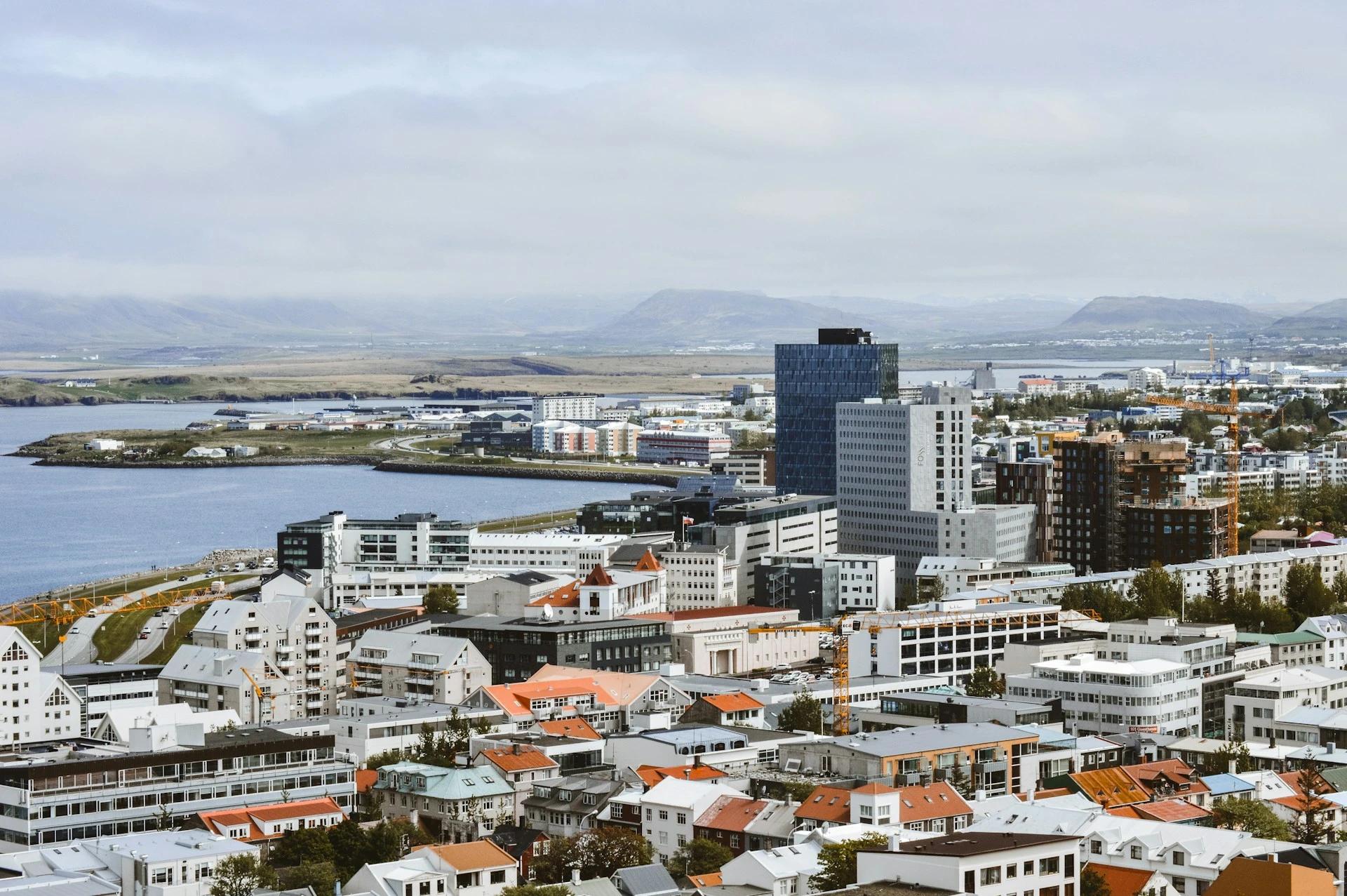
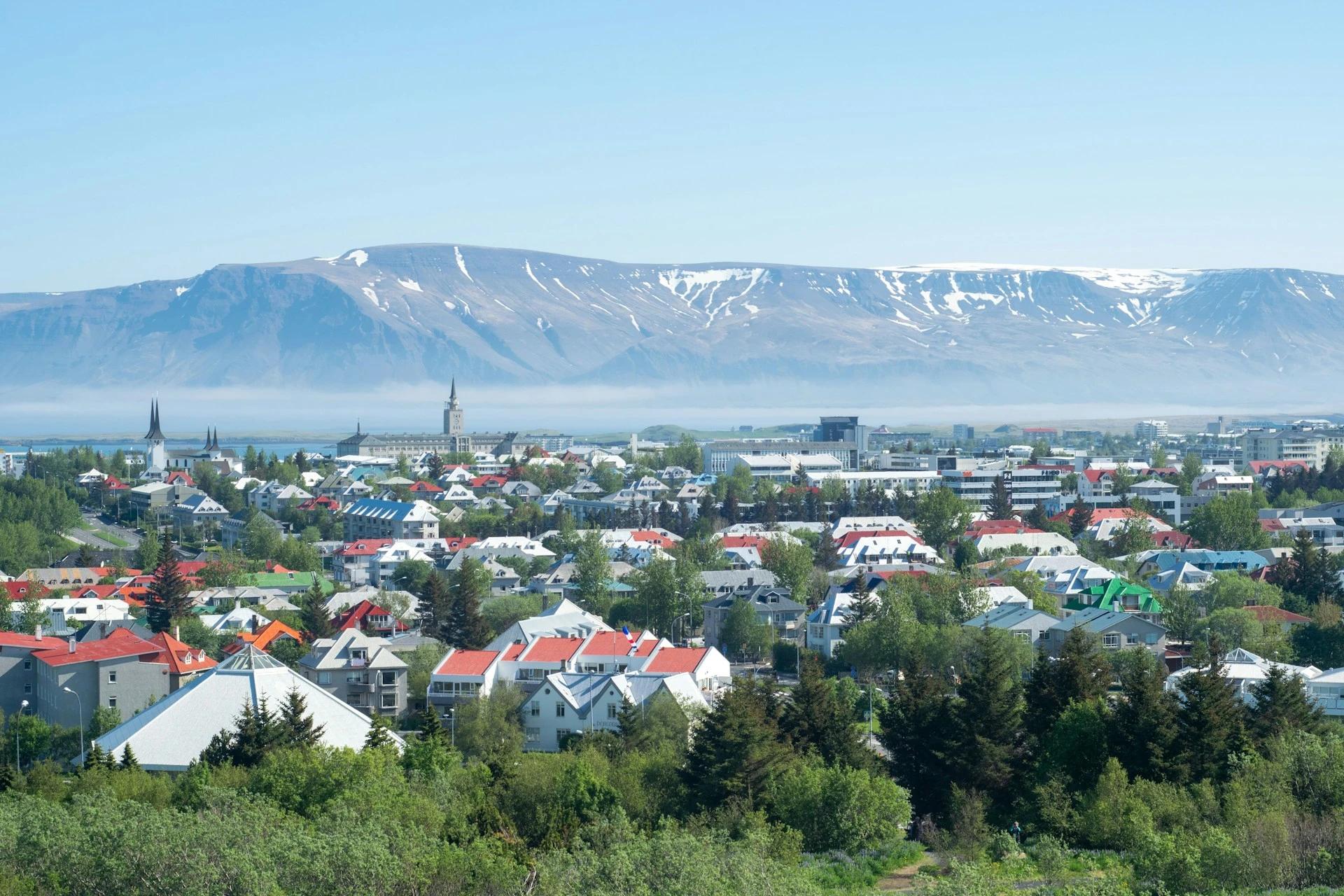
Deciding where to live in Iceland is one of the first real choices you will face after sorting out your visa. Iceland’s population reached 394,324 at the start of 2026, according to Statistics Iceland. About 250,000 of those people live in the capital region (höfuðborgarsvæðið), the continuous urban area that includes Reykjavík and five neighbouring municipalities. For anyone moving to Iceland, this is where the jobs, services, and rental supply are concentrated.
That does not mean the capital region is your only option. Iceland has 62 municipalities spread across eight regions, and several towns outside the capital area offer lower rent, shorter commutes, and a quieter pace of life. The trade-off is fewer job openings, smaller foreign-born communities, and longer distances to specialist services.
This article covers the main areas where people actually settle, what each one costs, and the practical factors that should shape your decision. If you are still in the early stages of planning, start with the complete relocation guide.
The capital region
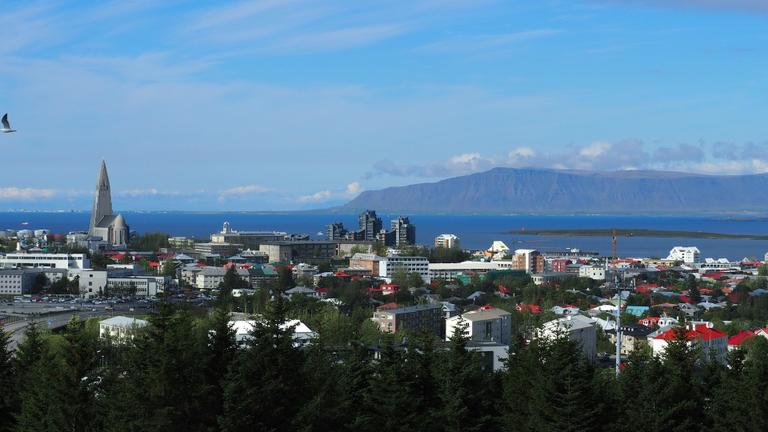
Reykjavík
Population: 139,804 (as of January 2026). Reykjavík is the centre of government, culture, finance, and most private-sector employment. The University of Iceland, the National Hospital (Landspítali), and nearly all embassies are here.
Rent for a one-bedroom apartment in Reykjavík runs 250,000–350,000 ISK per month (as of early 2026). Two-bedroom places typically start around 300,000 ISK and climb from there. The city is expensive, and the rental market is tight. Expect to spend time searching. For practical advice, see the rental apartment guide.
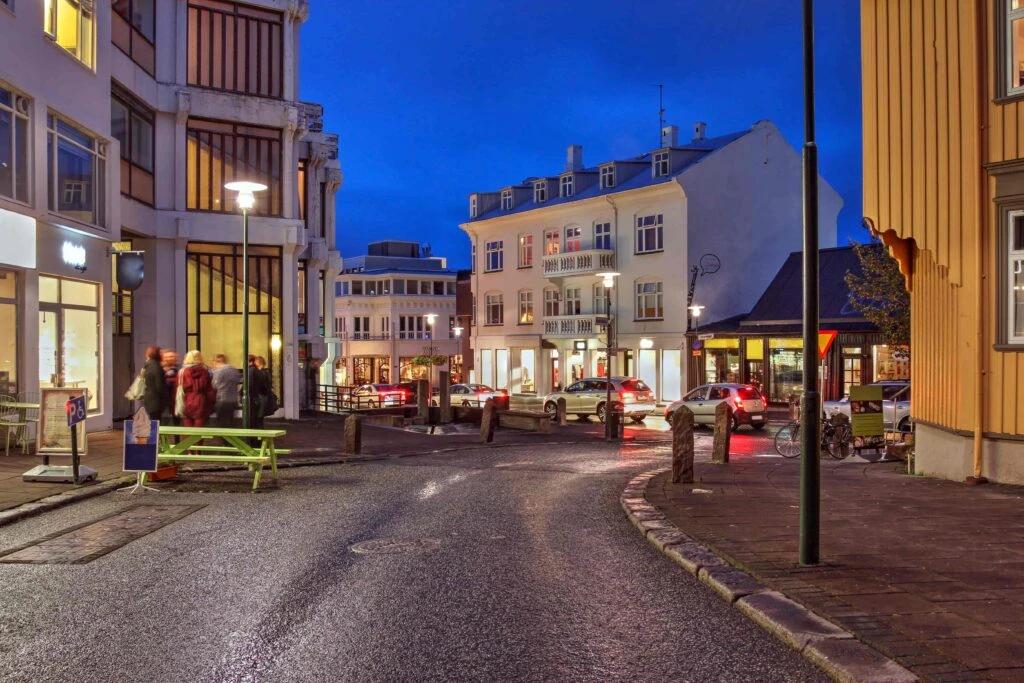
Reykjavík’s 10 districts each have a different feel. Downtown (Miðborg) and the 101 area are walkable, dense, and popular with younger residents. Neighbourhoods like Grafarvogur and Breiðholt are more suburban and family-oriented, with lower rents. For a detailed breakdown by neighbourhood, see best neighbourhoods in Reykjavík.
Kópavogur
Population: approximately 38,000. Kópavogur is the second-largest municipality in Iceland and sits directly south of Reykjavík. It has its own shopping centres, swimming pools, schools, and a well-regarded music school (Tónlistarskóli Kópavogs). Rent tends to be slightly lower than central Reykjavík, and the area attracts families looking for more space.
Hafnarfjörður
Population: approximately 30,000. Hafnarfjörður is a former fishing town about 10 km south of Reykjavík’s centre. It has a distinct identity, a compact old town, and a strong community feel. Rent here is generally 10–15% lower than in Reykjavík proper. The town has good schools, a hospital (Heilsugæsla Hafnarfjarðar), and direct bus connections to the capital.
Garðabær, Mosfellsbær, and Seltjarnarnes
These three smaller municipalities round out the capital region. Garðabær (population around 20,000) is one of Iceland’s wealthiest areas, with higher property prices but excellent schools, including the International School of Iceland. Mosfellsbær (around 12,500) sits at the edge of the metro area, closer to nature and popular with horse owners. Seltjarnarnes (around 4,700) is a small peninsula community west of Reykjavík, quiet and residential.
All six capital-region municipalities share the Strætó bus system, and driving between any two takes 15–30 minutes outside rush hour.
Akureyri and the north
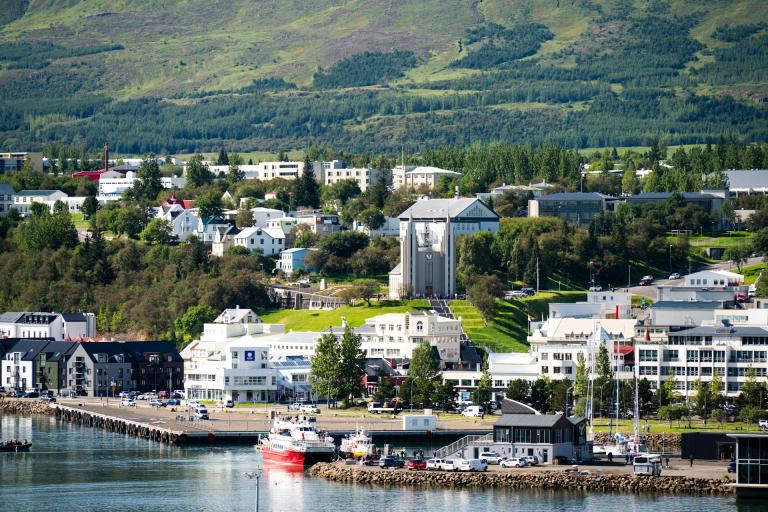
Rent and cost of living
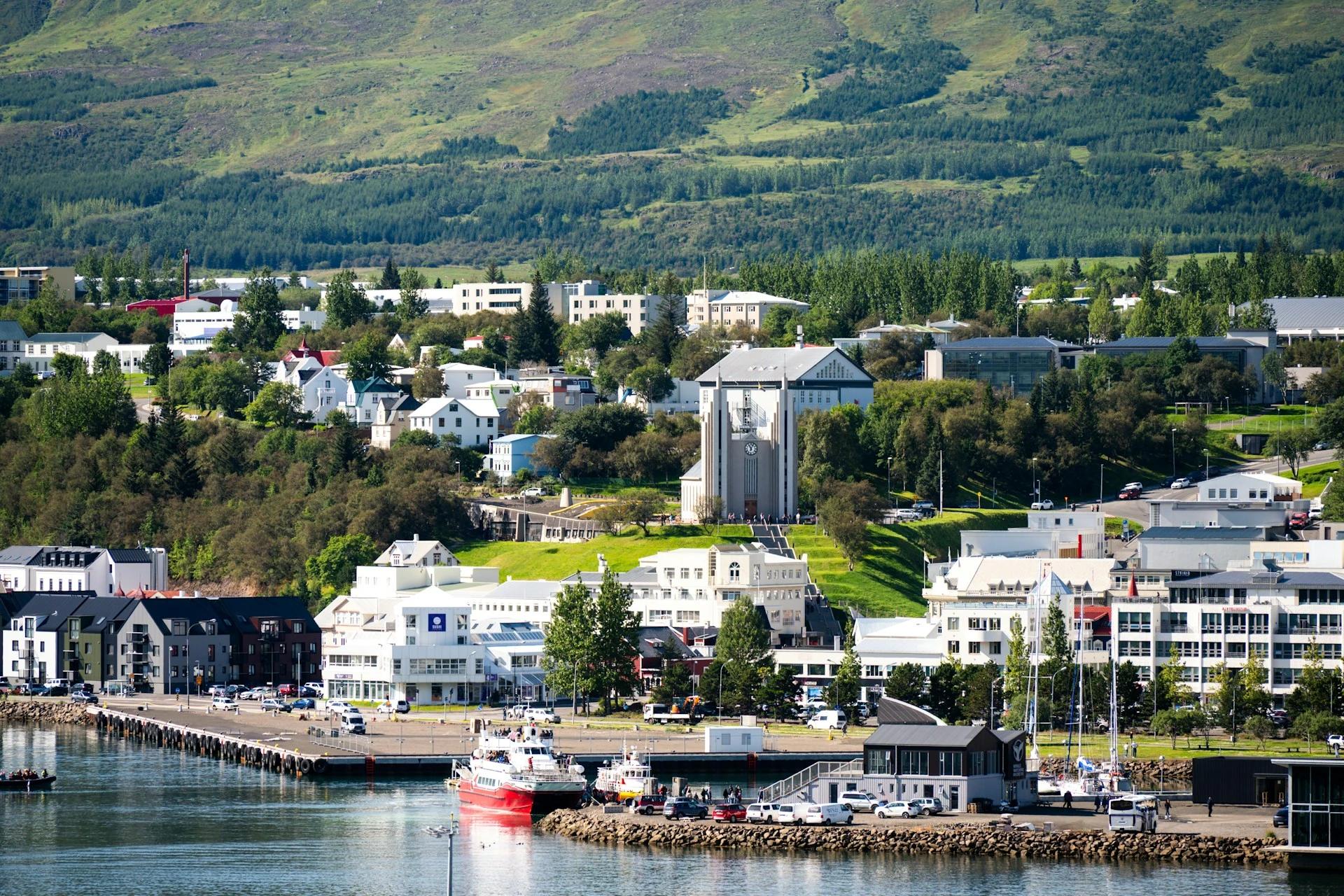
Rent in Akureyri is 20–30% cheaper than Reykjavík. A one-bedroom apartment typically costs 150,000–250,000 ISK per month (as of early 2026). Groceries cost about the same as in the capital, since most goods are shipped nationwide at similar prices. Utilities (electricity and hot water) average 15,000–25,000 ISK per month.
Job market
Akureyri’s economy runs on healthcare, education, tourism, fishing, and food processing. The hospital and university are the two largest employers. Tourism jobs are seasonal but plentiful, especially in summer. Finding year-round professional work requires Icelandic language skills or a specialised trade. For an overview of the national job market, see finding a job in Iceland.
Who it suits
Akureyri works well for people who want a town-sized community with genuine services. Winters are colder and snowier than Reykjavík, but the town sits in a sheltered fjord. The skiing at Hlíðarfjall is some of the best in Iceland. If you are comfortable with a smaller social scene and snowier winters, Akureyri offers a quality of life that many residents prefer to the capital.
Reykjanesbær and the southwest
Reykjanesbær (population around 23,000 as of early 2026) includes the towns of Keflavík and Njarðvík on the Reykjanes Peninsula, about 50 km southwest of Reykjavík. It is best known as the home of Keflavík International Airport.
Practical considerations
Rent in Reykjanesbær is lower than in the capital area, typically 180,000–260,000 ISK for a one-bedroom (as of early 2026). The town has schools, healthcare, and a swimming pool, but fewer cultural amenities than Reykjavík or Akureyri. The drive to Reykjavík takes about 45 minutes on Route 41.
The ongoing volcanic activity on the Reykjanes Peninsula has affected the area since late 2023. The town of Grindavík (also in the southwest) was evacuated in November 2023, and the region’s population decreased by 4.4% in 2024, largely due to migration from Grindavík, according to Statistics Iceland.
Who it suits
Reykjanesbær appeals to people who work at or near the airport, frequent travellers, and those who want lower rent without moving too far from the capital. The proximity to the Blue Lagoon area and Reykjanes hiking trails is a bonus, but the landscape is stark lava fields, not green valleys.
Selfoss and the south
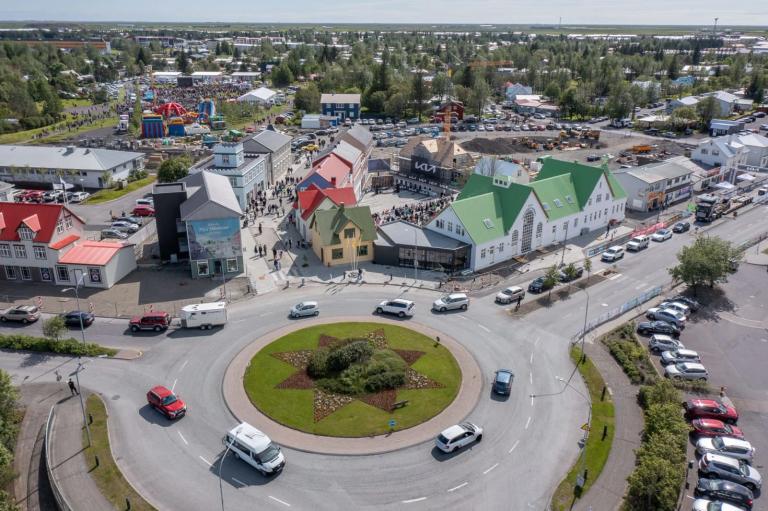 Selfoss is the main town in Sveitarfélagið Árborg, the largest municipality in southern Iceland. The municipality’s population surpassed 10,000 by the start of 2025, according to Statistics Iceland. Selfoss sits along the Ölfusá river, about a 45-minute drive from Reykjavík on Route 1.
The south region had the highest relative population growth in Iceland in 2024, at 3.5%, according to Statistics Iceland. Selfoss is the hub of that growth. The town has a hospital (Heilsugæslustöðin á Selfossi), multiple schools, grocery stores, and a growing restaurant scene. It is also close to some of Iceland’s most visited natural attractions: Þingvellir, Geysir, and Gullfoss.
Rent in Selfoss is roughly 150,000–230,000 ISK for a one-bedroom apartment (as of early 2026). The town attracts families, remote workers, and people who want easier access to nature without fully leaving the orbit of the capital.
The Westfjords
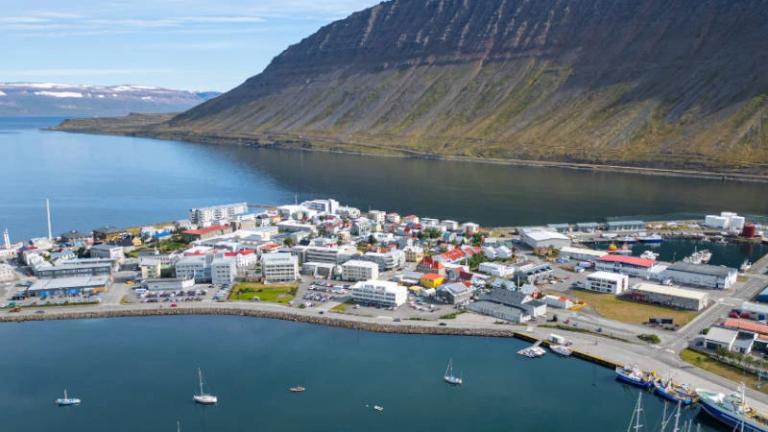 The Westfjords (Vestfirðir) are Iceland’s most remote and sparsely populated region. The largest town, Ísafjörður, has about 2,700 residents. Population growth in the Westfjords was just 0.1% in 2024, the lowest of any region.
Ísafjörður has a hospital, a university centre (a branch of the University of Akureyri), schools, and a small but active cultural life. The town is surrounded by steep mountains and deep fjords, and the landscape is dramatic in every season. Getting there requires either a domestic flight or a long drive through mountain passes that close in winter.
Who it suits
The Westfjords are for people who want isolation, nature, and a small community. Job options are limited to fishing, tourism, healthcare, and education. You will need a car, and you should be comfortable with winter road closures. If you thrive in remote settings, Ísafjörður is one of the most rewarding places to settle in Iceland.
East Iceland
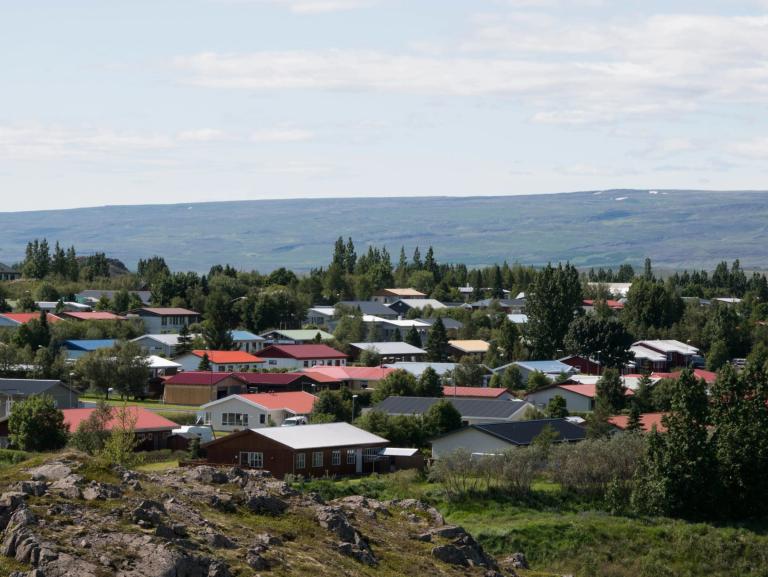
Eastern Iceland’s population grew by 1.2% in 2024. The economy is based on aluminium smelting (the Alcoa Fjarðaál plant in Reyðarfjörður), fishing, farming, and tourism. For those considering where to live in Iceland on a tight budget, rent here is among the lowest, often under 150,000 ISK for a one-bedroom.
The east is the furthest you can get from the Capital area. Driving to Reykjavík takes about 8-9 hours on Route 1 and domestic flights from Egilsstaðir to Reykjavík take around an hour. But this is a beautiful area and has typically some of the best weather in the summer in all of Iceland.
How to choose where to live in Iceland
The best place to live in Iceland depends on a few practical questions.
Where is your job? If you have a job offer, live where the job is. Over 80% of Iceland’s formal employment is in the capital region. Remote workers have more flexibility, but reliable internet is available nationwide.
Do you need services in English? The capital region has the largest foreign-born population (nearly 20% of Iceland’s residents are immigrants, as of 2025) and the most services available in English. Outside the capital, Icelandic is essential for daily life. See learning Icelandic for resources.
What is your budget? Rent is the biggest variable. A one-bedroom in central Reykjavík can cost twice what the same apartment costs in Akureyri or Selfoss. If you are on a tight budget, a smaller town stretches your money significantly. For a full cost breakdown, see the cost of living guide.
Do you have children? All municipalities in Iceland provide public schools and leikskóli (preschool/daycare). Quality is generally consistent nationwide. The capital region and Akureyri offer the most choice, including international school options. See schools in Iceland and daycare in Iceland.
Can you handle winter? Reykjavík has milder winters (averaging 0°C in January) but less daylight variety than the north. Akureyri and the north get more snow and colder temperatures but offer better skiing and a stronger sense of seasonal change. The Westfjords and east can be cut off by weather for days at a time. For driving considerations, see winter driving in Iceland.
Once you have settled on a location, you may also want to consider whether renting or buying makes more sense for your situation. Our guide to buying property in Iceland explains the process, costs, and mortgage options.
Frequently asked questions
Where do most foreigners live in Iceland?
Most of Iceland’s foreign-born residents live in the capital region, particularly Reykjavík, Kópavogur, and Hafnarfjörður. These municipalities have the largest immigrant communities and the most services available in English. Akureyri has a growing but much smaller international community.
Is it cheaper to live outside Reykjavík?
Yes, and this is a major factor for people weighing where to live in Iceland. Rent in towns like Akureyri, Selfoss, and Reykjanesbær is typically 20–30% lower than in Reykjavík. Groceries and utilities cost roughly the same nationwide, so the main savings come from housing. However, outside the capital, you will likely need a car, which adds to your monthly costs.
Can I live in Iceland without speaking Icelandic?
In the capital region, English is widely spoken and many workplaces operate partly in English. Outside the capital, Icelandic becomes much more important for daily interactions, work, and socialising. Government services are available in Icelandic by default, though island.is offers some information in English.
What is the best town in Iceland for families?
There is no single answer. The capital region offers the widest range of schools, activities, and healthcare. Akureyri is a popular choice for families who prefer a smaller town with full services. Selfoss is growing fast and increasingly family-friendly. The right choice depends on your job, budget, and lifestyle preferences.
Is Akureyri a good alternative to Reykjavík?
For many people, yes. Akureyri has a hospital, a university, good schools, and a genuine town centre. Rent is significantly cheaper. The trade-offs are fewer job options, colder winters, and a much smaller population. If you work remotely or have a job lined up in the north, Akureyri is a strong option.
How do I register my address when I move?
When you move to Iceland (or change your address within the country), you must register your legal address (lögheimili) with Registers Iceland (Þjóðskrá) through skra.is. This is required by law and affects your tax municipality, voting rights, and access to local services.
Last updated: March 2026
Helping you navigate your move and settling in the land of fire and ice.