Updated Mar 23, 2026 · Published Oct 19, 2024 · 16 min read
Share this guide
What winter in Iceland is actually like for residents, from the 4-hour December days and unpredictable weather to geothermal pools, Northern Lights, and the festivals that carry people through the dark months.
Founding Editor
Helping you navigate your move and settling in the land of fire and ice.
Icelandic culture for foreigners, from how people communicate and the patronymic naming system to swimming pool etiquette, workplace norms, and building a social life in Iceland.
Iceland's weather is milder than its name suggests but far more volatile than most newcomers expect. Average temperatures, daylight hours, wind patterns, and regional differences explained for residents.
A month-by-month guide to Iceland's public holidays and cultural traditions, from midwinter feasts and cream bun day to the 13 Yule Lads. Includes 2026 dates and practical tips for newcomers.
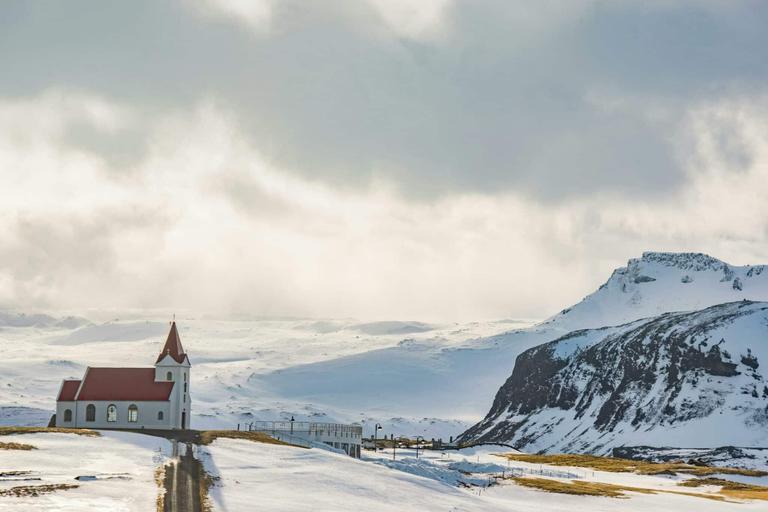
A small church with a red roof in a snowy, rural landscape in Iceland, with a cloudy sky and a distant mountain backdrop.
Iceland's winter runs from late October through March. For anyone moving here, winter in Iceland is the season that shapes daily routines, social life, and mental health more than any other. The darkness, the weather, and the cold all demand adjustment, but Icelanders have built a culture around winter that makes it not just tolerable but genuinely rewarding.
This article covers what to expect from winter in Iceland: daylight, temperatures, snowfall, driving conditions, how homes stay warm, what people do, and how to handle the darkness. It is written for people relocating, not visiting. If you are planning a move, read the full guide to moving to Iceland for the broader picture.
Daylight and darkness
The defining feature of winter in Iceland is the darkness. Reykjavik sits at 64°N latitude, and daylight hours drop dramatically between October and January.
On the winter solstice (December 21), Reykjavik gets roughly 4 hours and 7 minutes of daylight. Sunrise is around 11:22 AM and sunset around 3:29 PM. The light that exists is low and often filtered through cloud cover, giving the sky a prolonged twilight rather than full brightness.
Daylight recovers faster than most newcomers expect. By late January, days stretch to about 7 hours. By mid-February, there are 9 to 10 hours of light. By the spring equinox in late March, day and night are roughly equal again, and the change is noticeable week by week.
Month
Approximate daylight (Reykjavik)
November
6 to 7 hours
December
4 to 5 hours
January
5 to 7 hours
February
8 to 10 hours
March
11 to 13 hours
The psychological effect is real. The first winter catches most people off guard. Getting up in the dark, working through the few hours of grey light, and watching the sun set in mid-afternoon takes adjustment. But most residents who stay more than one winter say the second one is significantly easier.
In northern Iceland (Akureyri, 65.7°N), daylight is slightly shorter at the solstice, but the difference from Reykjavik is only about 20 minutes. The bigger issue in the north is that the sun sits closer to the horizon, producing less intense light even during daytime hours.
Temperature and weather
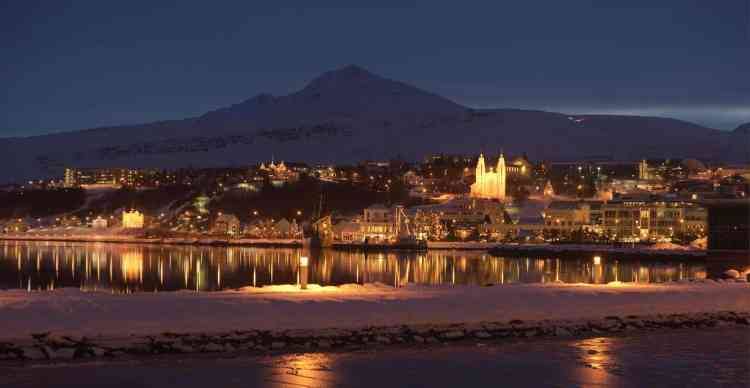
Night view of an the picturesque town of Akureyri, in northern Iceland, with warm lights reflecting on the still water, surrounded by snow-covered houses and mountains in winter.
Winter temperatures in Iceland are milder than most people assume. The Gulf Stream keeps coastal areas considerably warmer than other locations at the same latitude.
In Reykjavik, average winter temperatures range from about -1°C to 4°C (30°F to 39°F). January is typically the coldest month. Days below -10°C are uncommon in the capital area.
Akureyri and northern Iceland run 1 to 3°C colder on average, with more sustained freezing periods. The east and the highlands are colder still, but few people relocating to Iceland settle in those areas.
The real challenge is not temperature alone. It is the combination of cold, wind, and wet. Iceland’s winter weather is driven by Atlantic storm systems that bring sudden changes. A calm, clear morning can turn into a horizontal-rain gale by noon. Wind chill regularly makes 0°C feel like -10°C or worse, particularly along the coast and in exposed areas.
The Icelandic Meteorological Office (Veðurstofa Íslands) provides detailed forecasts and weather warnings. Checking it daily becomes a winter habit for most residents. The site also provides a road weather map that shows wind speed and direction across the country.
Snowfall
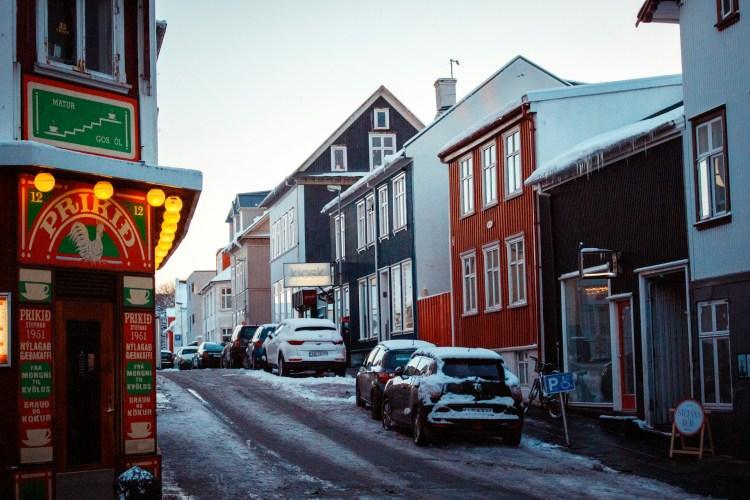
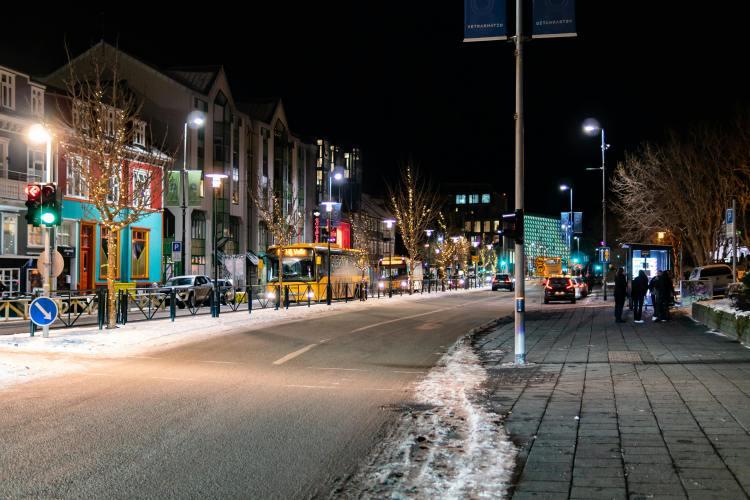
A snowy street in downtown Reykjavik, Iceland, with traditional corrugated iron houses and the Prikið bar, featuring colorful facades and cars covered in snow.
Snowfall in Iceland varies enormously by year and region. Reykjavik’s snow is famously unreliable. Some winters bring heavy accumulation that stays for weeks. Others pass with barely a dusting that melts within hours.
When snow does fall in the capital area, accumulation is typically 10 to 25 cm (4 to 10 inches) at a time. March is often the snowiest month in Reykjavik, which catches newcomers off guard. The city clears main roads quickly, but side streets and sidewalks can stay icy for days.
Northern and eastern Iceland receive more consistent snowfall. Akureyri and the Westfjords often maintain snow cover through the entire winter, with accumulations that can exceed 50 cm (20 inches). The highlands are effectively inaccessible, buried under metres of snow with all roads closed.
Storms are the bigger disruption. Iceland regularly experiences winter storms with wind speeds above 25 m/s (90 km/h), sometimes accompanied by blowing snow that reduces visibility to near zero. These storms can close roads, cancel flights, and shut down schools. The Icelandic Road Administration (Vegagerðin) posts real-time road conditions and closures. SafeTravel provides travel advisories and weather alerts.
Northern Lights
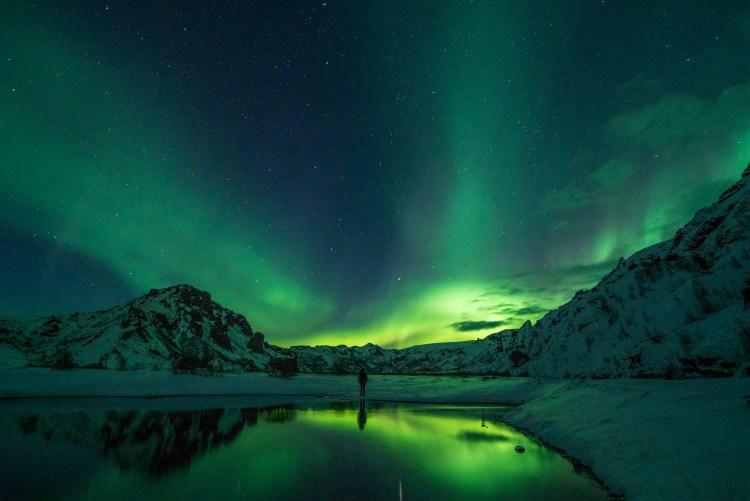
Bright green Northern Lights (Aurora Borealis) illuminating the snowy mountains and reflecting on a calm body of water, with a clear night sky in Iceland.
The long dark nights from September through April make Iceland one of the best places in the world to see the norðurljós (Northern Lights, or aurora borealis). For residents, this is not a once-in-a-lifetime event but a regular winter occurrence.
Visibility depends on three factors: solar activity, clear skies, and distance from light pollution. Iceland sits directly under the auroral oval, meaning even moderate solar activity can produce visible displays. During the current solar maximum (Solar Cycle 25, peaking 2024 to 2026), auroral activity has been notably stronger and more frequent.
The Icelandic Met Office aurora forecast shows predicted activity and cloud cover on a single page. Green areas on the cloud map combined with a Kp index of 3 or above usually means good viewing. Even within Reykjavik, the lights are visible on active nights if you find a spot away from the brightest streetlights.
The best viewing months are October, February, and March, when the balance between darkness and clear skies is most favourable. November through January offers the most darkness but also the most cloud cover.
Clothing and gear
Proper winter clothing is essential
The Icelandic approach to winter clothing is layered, windproof, and practical. Looking good is secondary to staying warm and dry.
The layering system that works in Iceland:
Base layer: Merino wool or synthetic thermal underwear. Cotton is a poor choice because it holds moisture.
Mid layer: Fleece or wool sweater. The traditional Icelandic lopapeysa (wool sweater) is genuinely functional, not just decorative.
Outer layer: A windproof and waterproof jacket. This is the most important piece. Wind and rain penetrate everything else.
Feet: Waterproof boots with good grip. Icy sidewalks are a daily hazard from November through March.
Accessories: A warm hat, gloves, and a scarf or neck gaiter. Heat loss from the head and hands is significant at wind chill temperatures.
Icelandic outdoor brands are expensive but built for local conditions. 66°North is the most established, known for durable outerwear. Cintamani offers a wide range of outdoor clothing. Icewear specialises in wool products. ZO-ON makes technical outerwear for harsh conditions.
For budget options, thrift stores (nytjamarkаðir) and second-hand shops like the Red Cross (Rauði krossinn) regularly stock quality winter gear at a fraction of retail price. This is a common and practical approach, particularly for newcomers still figuring out what they actually need.
Heating and energy costs
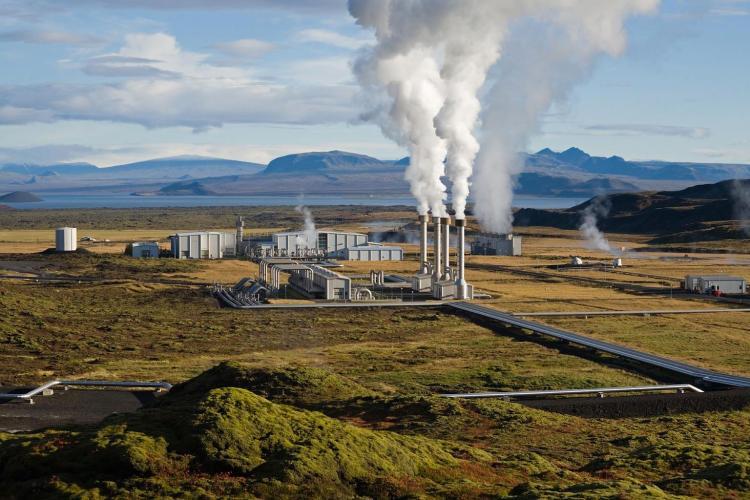
Nesjavellir geothermal power plant in Iceland with steam rising, showcasing the sustainable energy production that is used for heating houses across the country
Most homes in Iceland are heated by geothermal hot water, piped directly from underground reservoirs. Around 90% of Icelandic households use geothermal district heating, according to the National Energy Authority (Orkustofnun). This makes heating remarkably affordable compared to other Nordic countries.
In Reykjavik and most of the southwest, geothermal heating costs are low. A typical apartment’s heating bill is a fraction of what the same space would cost to heat in Scandinavia or northern Europe. The hot water supply is essentially unlimited, which is why Icelanders tend to keep their homes warm (20 to 22°C is standard) and take long showers without worrying about the bill.
Some areas, particularly in the east and parts of rural Iceland, rely on electric heating instead. Electricity in Iceland is also renewable (hydropower and geothermal), but electric heating costs significantly more than geothermal district heating. When renting or buying property, it is worth asking which heating system the building uses.
Buildings in Iceland are well insulated by construction standards. Double or triple glazing is standard. Drafts are uncommon in newer buildings. Older buildings (pre-1980s) can be less airtight, but most have been retrofitted.
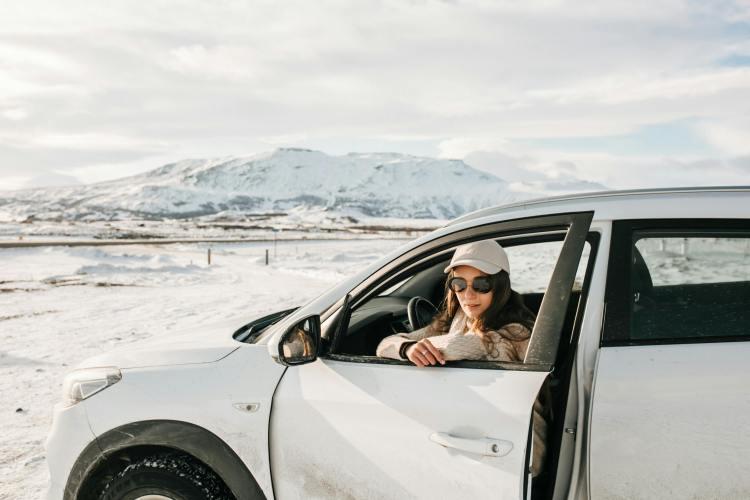
Traveler stepping out of a car in Icelandic winter landscape
Winter driving in Iceland requires preparation and respect for conditions. Road accidents increase during winter months, and most are linked to speed, ice, or poor visibility.
Winter tires are mandatory from November 1 through April 15. Studded tires are permitted during the same period and provide superior grip on ice. Driving with studded tires outside this window carries a fine. Most residents in the capital area use regular winter tires (without studs), but studded tires are more common in northern and rural Iceland where ice persists longer.
Road conditions change rapidly. A road that was clear in the morning can be ice-covered by afternoon. The road conditions map is the essential tool. It shows every major road in Iceland colour-coded by condition: green (clear), yellow (slippery spots), red (very difficult), and closed. Highland roads and mountain passes close entirely from late September or October and do not reopen until June.
A few habits that make winter driving safer
Reduce speed in all conditions. Posted speed limits assume dry roads.
Increase following distance. Braking on ice takes 3 to 10 times longer than on dry pavement.
Keep the fuel tank above half. Stations can be far apart, especially outside the capital area.
Carry an emergency kit: blanket, snacks, fully charged phone, ice scraper, small shovel.
Check road.is and vedur.is before any trip outside the greater Reykjavik area.
For those who prefer not to drive, Strætó operates the public bus system in the capital area. Service runs year-round, though delays occur during severe weather. For more on getting around without a car, see public transport in Iceland. For a full guide to winter driving, see winter driving in Iceland.
Staying active
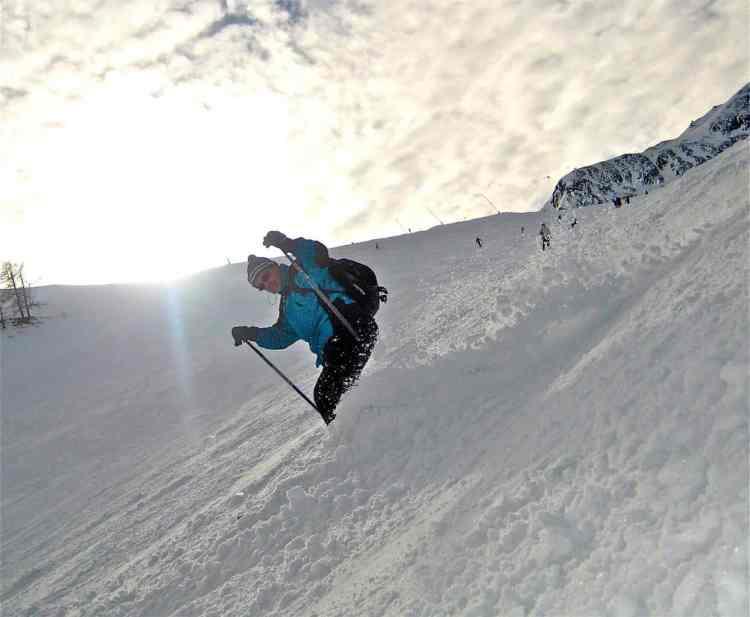
Skier descending a steep snowy slope, demonstrating adventure winter sports and the thrill of skiing, similar to experiences available in Iceland
Physical activity is central to how people get through winter in Iceland. The culture actively promotes it, and the infrastructure supports it.
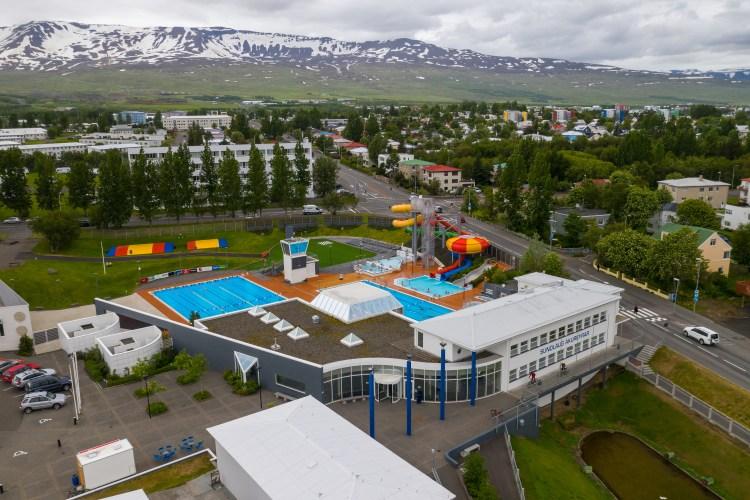
Swimming pools are the cornerstone. Every town of any size has a geothermally heated outdoor pool, and Reykjavik alone has over a dozen. Pools are open year-round, including through the darkest months. Swimming in warm water outdoors while snow falls around you is one of the quintessential winter experiences. Adult admission at Reykjavik municipal pools is 1,430 ISK, and children under 16 swim free (as of January 2026, per reykjavik.is). Most pools also have hot pots (heitir pottar), steam rooms, and cold tubs.
Skiing is popular in winter. Bláfjöll, about 30 minutes from Reykjavik, is the closest resort to the capital, with adult day passes at 6,150 ISK (as of 2025/2026 season). Hlíðarfjall near Akureyri is considered the best ski area in Iceland with longer runs and more consistent snow, at 7,200 ISK per day. Cross-country skiing is also popular when conditions allow.
Gyms are widely used. Most Icelanders hold gym memberships, and facilities are well-equipped. See gyms in Iceland for a full guide with prices and locations.
Outdoor activities continue through winter for those who dress properly. Hiking, ice skating, and even sea swimming have dedicated followings. The key is adjusting expectations and checking conditions before heading out.
Geothermal pools and wellness
Akureyri pool in Northern Iceland
Beyond lap swimming, Iceland’s geothermal water supports a wellness culture that intensifies during winter. Soaking in a hot pot at the local pool is a daily ritual for many residents, not a tourist luxury.
Commercial spa experiences have expanded significantly. The Blue Lagoon is the most famous, but the Sky Lagoon near Reykjavik and Vök Baths in east Iceland offer alternatives. Prices at commercial spas are considerably higher than municipal pools (5,000 to 12,000 ISK or more), and most residents treat them as occasional outings rather than regular habits.
The municipal pools are where the real winter wellness happens. Hot pot conversation (heitur pottur) is a genuine social institution. Regulars have their preferred pots, their preferred times, and their preferred conversation partners. For newcomers, the hot pot is one of the easiest places to meet people and start building a social network in Iceland. See making friends in Iceland for more on this.
Winter festivals and traditions
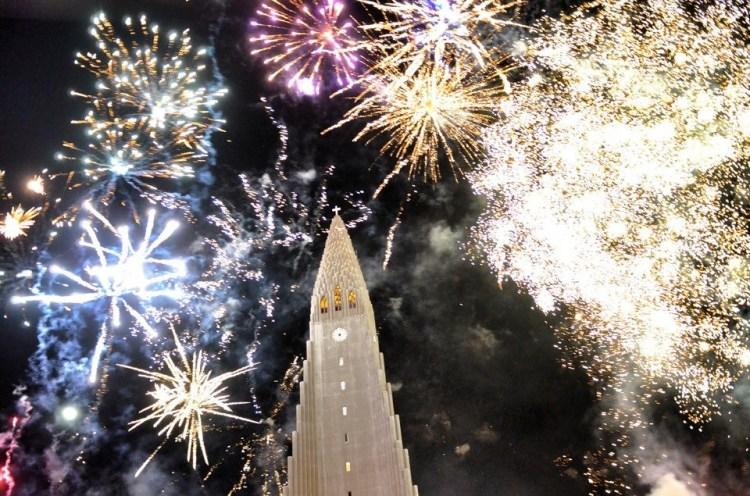
Fireworks exploding over Hallgrímskirkja church in Reykjavik, Iceland, celebrating the New Year with vibrant colors lighting up the night sky.
Winter in Iceland is anchored by a series of festivals and traditions that break up the dark months and give the season its character.
Christmas and New Year’s
The Icelandic Christmas season runs from December 23 to January 6. Thirteen jólasveinar (Yule Lads) arrive one per day starting December 12, each with a distinct personality from Icelandic folklore. Christmas Eve (December 24) is the main celebration, with gift-giving and a family dinner. New Year’s Eve is marked by community bonfires and an extraordinary volume of fireworks, most purchased and set off by private citizens. The display over Reykjavik at midnight is one of the most impressive amateur fireworks shows anywhere.
Þorrablót
A midwinter feast celebrating traditional Icelandic food. Þorramatur includes fermented shark (hákarl), smoked lamb (hangikjöt), blood pudding (slátur), and dried fish (harðfiskur). The festival runs during the old Icelandic month of Þorri (January 23 to February 22 in 2026). Community groups, workplaces, and families host Þorrablót dinners with food, drink, singing, and storytelling.
Bolludagur, Sprengidagur, and Öskudagur
Three consecutive days in February marking the approach of Lent. Bolludagur (Bun Day, February 16 in 2026) is celebrated with cream-filled pastries. Sprengidagur (Bursting Day, February 17) involves eating a heavy meal of salted meat and split peas. Öskudagur (Ash Wednesday, February 18) sees children dress in costumes and sing in shops for candy, similar to Halloween traditions elsewhere.
Winter Lights Festival
An annual festival across the Reykjavik capital area, held February 5 to 8 in 2026. It includes Museum Night (free admission to museums), Pool Night (extended hours and events at swimming pools), and light installations across the city. Over 150 events are typically scheduled across six municipalities.
Iceland Airwaves
One of Europe’s most respected music festivals, held across venues in Reykjavik from intimate bars to concert halls. Scheduled for November 4 to 7 in 2026. It features Icelandic and international artists and is a highlight of the early winter cultural calendar.
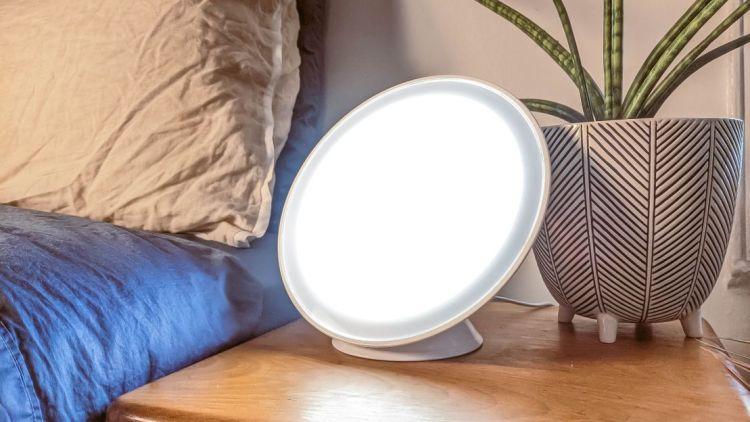
Light therapy lamp on a bedside table next to a pillow and a plant, used to improve mood and energy levels during dark winter months.
The long darkness is the single biggest challenge for people who move to Iceland. Seasonal mood changes are common, and newcomers from lower latitudes are especially vulnerable in their first winter.
Research suggests that Icelanders themselves show lower rates of seasonal affective disorder (SAD) than populations at much lower latitudes. Studies published in Archives of General Psychiatry and the American Journal of Psychiatry found that Icelandic populations (both in Iceland and among Icelandic-Canadians) show less seasonal mood variation than expected, with clinical SAD prevalence estimated at 3.8%, lower than rates in parts of the eastern United States despite Iceland’s far-northern latitude. Researchers have suggested this may reflect long-term population adaptation to extreme light cycles.
That said, moving to Iceland is not the same as growing up there. Newcomers report the darkness as one of the hardest adjustments. Strategies that help:
Light therapy lamps that mimic natural daylight are widely used. Many Icelanders keep one at their desk or bedside. These help regulate circadian rhythms when natural light is scarce.
Vitamin D supplements are recommended during winter months. Limited sunlight means the body cannot produce enough on its own. Most pharmacies in Iceland stock high-dose vitamin D, and doctors commonly advise supplementation.
Time outdoors during daylight hours, even briefly. A 20-minute walk during the brightest part of the day (typically 12:00 to 2:00 PM) makes a measurable difference for mood and energy.
Social connections are protective. Joining a club, sports team, or community group provides structure and regular human contact during the months when it is tempting to stay indoors. See making friends in Iceland for practical advice.
Creating warmth at home. Candles, blankets, warm lighting, and a comfortable indoor environment are not superficial comforts. They are part of how Icelanders make winter liveable. The concept is similar to the Danish hygge: making indoor spaces feel inviting when the outside world is dark and cold.
Indoor life and social culture
Lækjargata street in downtown Reykjavik during winter, looking towards Harpa Concert Hall
The long nights push social and cultural life indoors, and winter in Iceland means spending more time in cafés, museums, and living rooms than at any other time of year.
Reykjavik’s cafés and bakeries are central gathering spots during winter. Many people work remotely from cafés, meet friends over coffee, or simply settle in with a book during the dark afternoons. Café culture in Iceland is not ornamental; it is a functional part of winter life.
Museums and galleries see higher attendance during winter months. The National Museum of Iceland, Reykjavik Art Museum, and Perlan all offer indoor experiences that fill the darker days. Public libraries are free, warm, and well-stocked.
Creative hobbies are popular. Knitting, pottery, painting, and other crafts have strong communities, and workshops are widely available. Indoor sports like climbing (Reykjavik has several climbing gyms), badminton, and indoor football also have active winter followings.
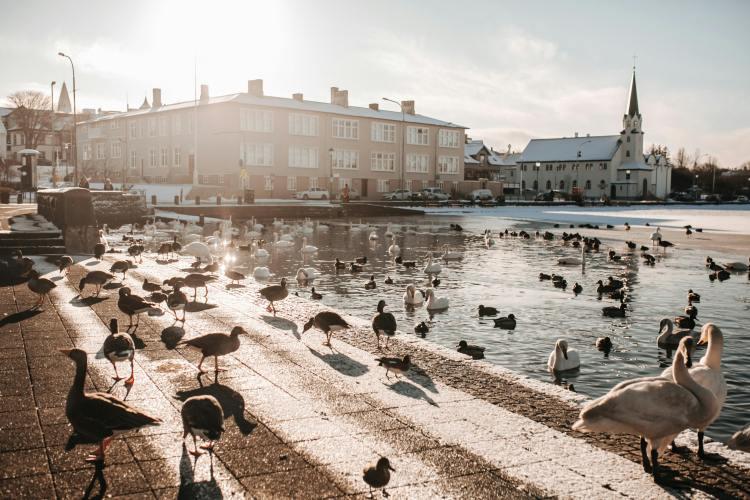
Birds, including ducks and swans, gathered at Tjörnin pond in Reykjavik on a sunny winter day, with snow-covered buildings and a church in the background.
Reykjavik’s nightlife comes alive during winter. Bars, live music venues, and clubs are busy on weekends, and the social atmosphere helps offset the isolation that darkness can bring.
Frequently asked questions
How cold does it get in Reykjavik in winter?
Average temperatures range from -1°C to 4°C (30°F to 39°F). Days below -10°C are rare in the capital area. The main discomfort comes from wind chill rather than raw temperature.
How many hours of daylight does Iceland get in December?
Around 4 to 5 hours in Reykjavik, with the shortest day (December 21) offering about 4 hours and 7 minutes. Daylight recovers quickly after the solstice, reaching 7 hours by late January.
Are Northern Lights visible from Reykjavik?
Yes. On clear nights with moderate solar activity, the Northern Lights are visible even within the city. For the best views, move away from the brightest areas. The aurora forecast at vedur.is shows predicted activity and cloud cover.
Is it safe to drive in Iceland in winter?
Yes, with proper preparation. Winter tires are mandatory from November 1 to April 15. Check road.is for conditions before any trip. Most accidents are caused by excessive speed on icy roads.
How do Icelanders heat their homes?
About 90% of homes use geothermal district heating, which is affordable and reliable. Hot water is piped directly from underground geothermal reservoirs. Some areas use electric heating, which costs more.
What is the best way to cope with the winter darkness?
Light therapy lamps, vitamin D supplements, outdoor time during daylight hours, regular exercise, and active social connections all help. Most residents and newcomers who stay through a second winter find it significantly easier than the first.