How Much Is Rent in Iceland?

Current rent prices in Iceland by region and apartment size, plus how leases, deposits, CPI indexation, and tenant rights work under Icelandic law. Updated for 2026.
What rent costs in Iceland right now
Rent in Iceland is the single biggest expense for anyone planning a move. It is also the one that catches people off guard the most, because listed prices have risen sharply over the past several years and show no sign of leveling off.
This article covers current rent prices by region and apartment size, what drives those prices, how leases work, and the tenant protections you have under Icelandic law. If you are budgeting for a move, these are the numbers and rules you need.
Table of contents
Rent prices in the capital area
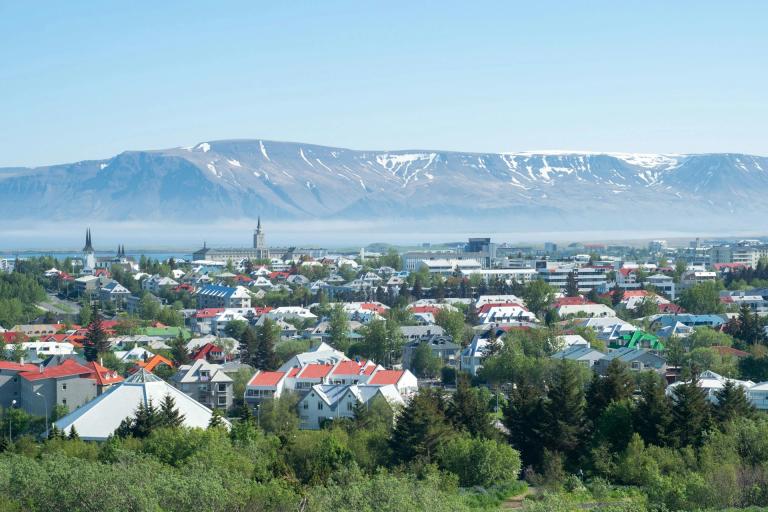
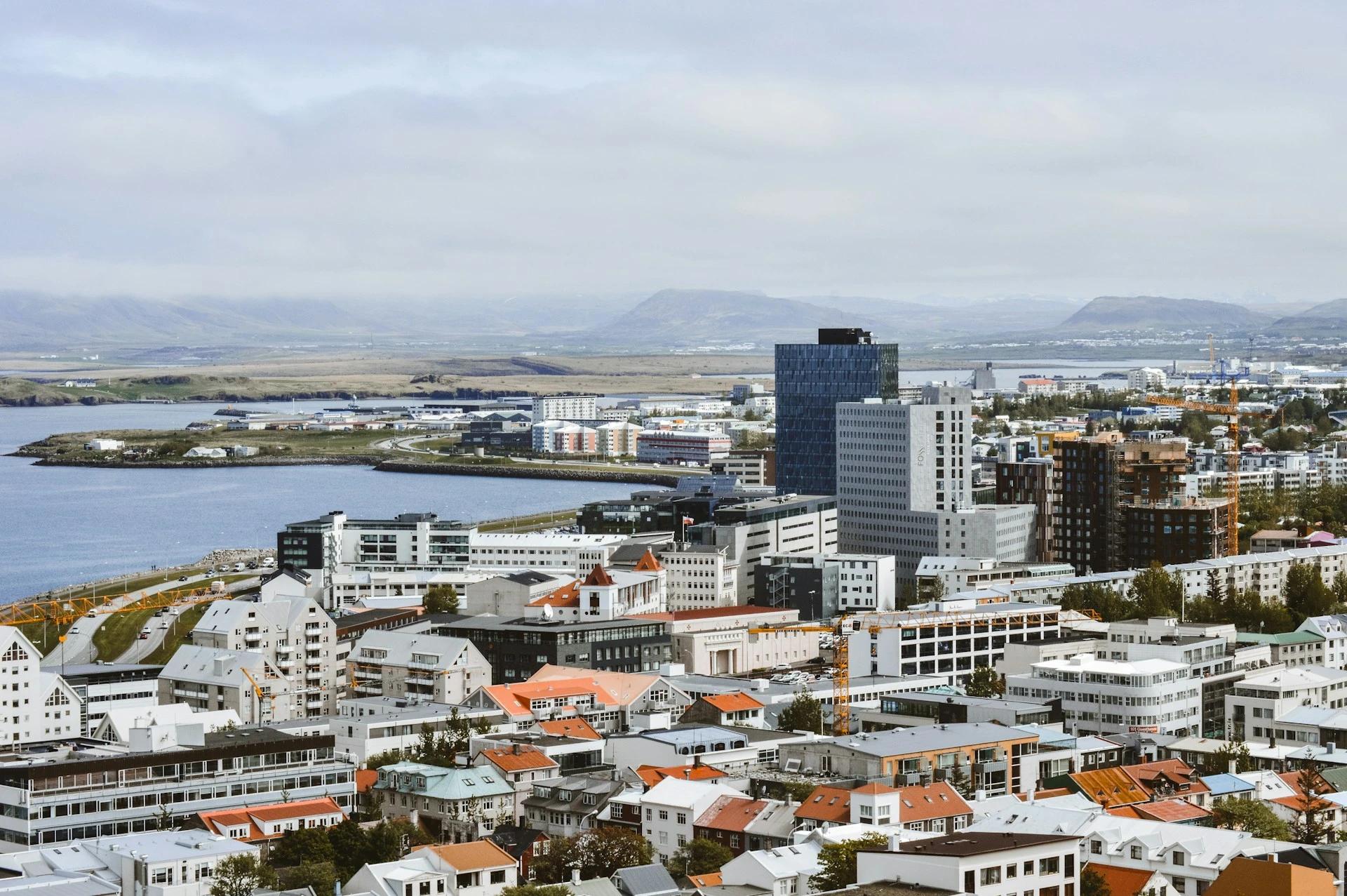
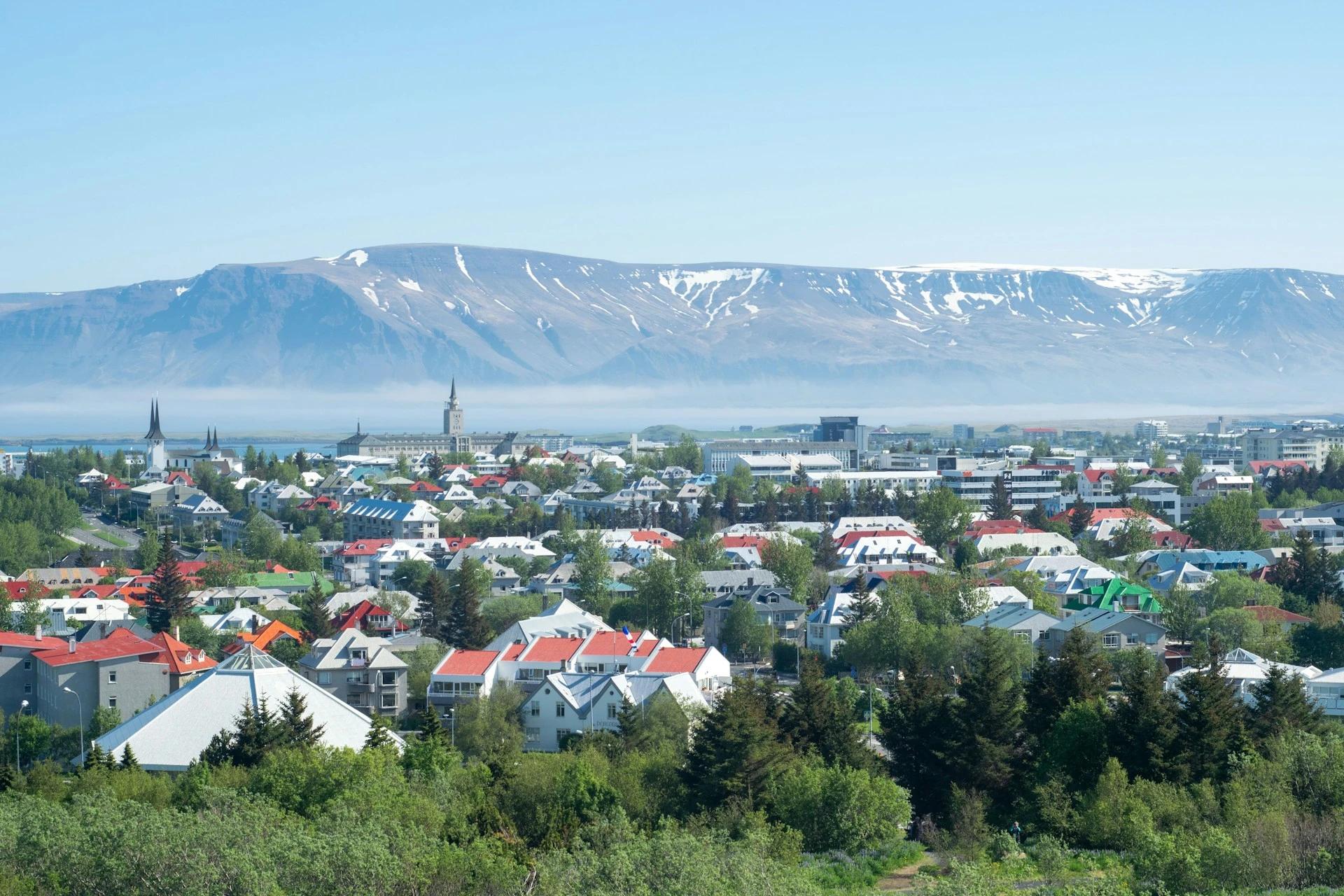
Most people moving to Iceland settle in the greater Reykjavik area, where roughly two-thirds of the population lives. This is also where rent is highest.
According to HMS (the Housing and Construction Authority) data on newly registered contracts (as of February 2025), average national rents were:
Apartment size | Average registered rent (national) |
|---|---|
1-room (studio/1-bed) | 186,861 ISK/month |
2-room | 241,645 ISK/month |
3-room | 284,042 ISK/month |
Those figures reflect registered contract averages across Iceland, which tend to lag behind what people actually pay on the open market. On Facebook groups and rental platforms, asking prices run higher.
A realistic range for apartments in Reykjavik and the surrounding capital area (as of early 2026):
Apartment size | Monthly rent range (capital area) |
|---|---|
Studio or 1-bedroom | 220,000–300,000 ISK |
2-bedroom | 280,000–380,000 ISK |
3-bedroom or larger | 320,000–450,000 ISK |
Central neighborhoods command the highest prices. Postal codes 101 (downtown Reykjavik), 105 (Hlíðar), and 107 (Vesturbær) sit at the top of the range. Outer suburbs like Grafarvogur (112), Breiðholt (109), and Árbær (110) are cheaper, and the neighboring municipalities of Kópavogur, Hafnarfjörður, and Garðabær fall somewhere in between.
Reykjavik had the highest rent per square metre in Iceland at 4,041 ISK, compared to 3,810 ISK in Kópavogur and a national average of 3,639 ISK (as of February 2025, per HMS data). For a detailed breakdown of every neighborhood and what to expect in each, see our guide to the best neighborhoods in Reykjavik.
Rent prices outside Reykjavik
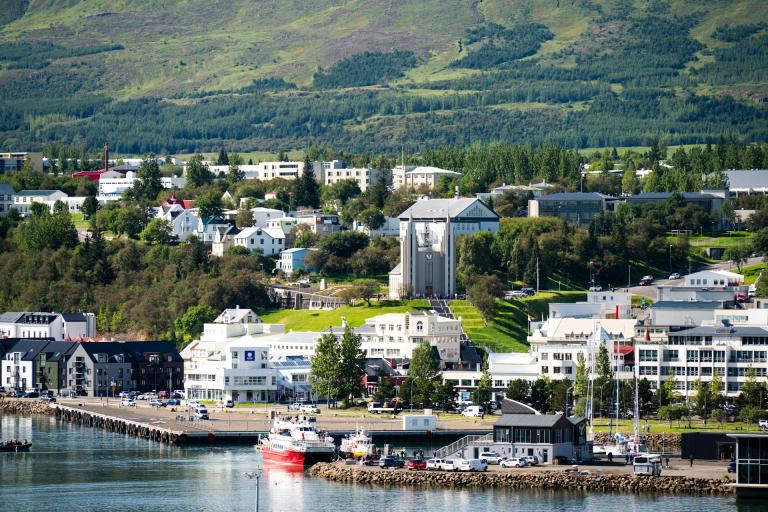
Rent drops noticeably once you leave the capital area, though "affordable" is relative in Iceland.
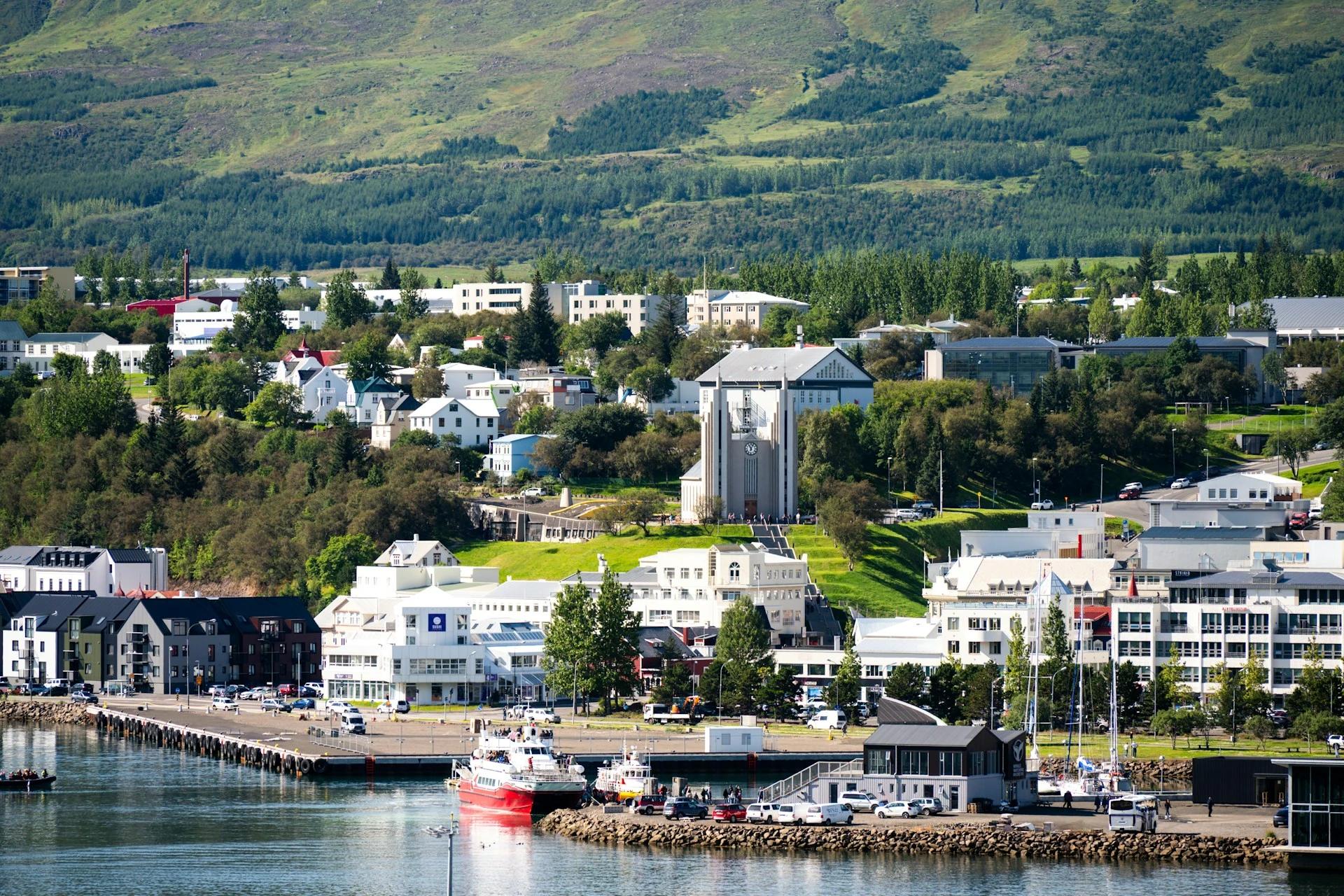
In larger towns like Akureyri, Reykjanesbær (near Keflavik airport), Selfoss, and Akranes, expect to pay roughly 150,000–250,000 ISK per month for a one-bedroom apartment (as of early 2026). Two-bedroom apartments in these towns typically range from 200,000 to 300,000 ISK.
In smaller towns and rural areas, rent can drop to 120,000–180,000 ISK for a one-bedroom. The trade-off is fewer job opportunities, limited services, and potential isolation, especially during winter. For a region-by-region breakdown, see where to live in Iceland. If your work is remote or in a sector with strong regional demand (healthcare, construction, fisheries), smaller towns offer genuine savings.
For a broader picture of which regions suit different situations, see our complete relocation guide. If you are still searching for a place, our guide to finding a rental apartment in Iceland covers where to look, what scams to avoid, and how to stand out as an applicant.
Why rent in Iceland keeps rising
The HMS rental price index for the capital region showed an 11.4% year-on-year increase in early 2025. Rents have outpaced both general inflation and wage growth for several years running, and according to HMS reports, rental price growth in Iceland over the past decade has been among the steepest in Europe.
Several factors drive this. Housing construction has not kept pace with population growth, particularly in the capital area. Immigrants now make up about 19% of the total population (as of January 2025), and most settle in or near Reykjavik, adding steady demand to an already tight market.
Short-term tourist rentals have also pulled units off the long-term market, especially in central Reykjavik. High interest rates (the Central Bank's key rate stood at 7.25% as of February 2026) have made mortgage payments expensive, pushing more people into renting and keeping landlords' financing costs high.
The share of renters among Icelandic adults rose from 13% in 2020 to 16% in 2024, according to HMS surveys. The actual figure may be higher: HMS estimates that around 37,000 adults (primarily foreigners) are undercounted in housing surveys, which would put the real share of renters closer to 29%. For context on how salaries compare to these costs, see our salary guide. If rising rents have you weighing ownership instead, see our guide to buying property in Iceland.
What is included in rent (and what is not)
Rent in Iceland usually does not include utilities. Budget an additional 15,000–25,000 ISK per month for electricity and heating (as of 2025). Geothermal energy keeps heating costs remarkably low compared to mainland Europe, but electricity costs add up during the dark winter months.
Internet typically runs 3,000–6,000 ISK per month depending on the provider and speed. Some landlords include internet or even all utilities in the rent, but this should be explicitly stated in the lease. If the listing does not mention utilities, assume they are extra.
For a full breakdown of monthly costs beyond rent, see our cost of living guide and the budget calculator on this site.
Deposits and payment terms
 Rent is paid monthly, due on the first of each month unless the lease states otherwise.
Landlords typically require a security deposit of one to three months' rent before handing over the keys. The law caps this at a maximum of three months' rent. The deposit must be kept in a separate, interest-bearing bank account, not mixed with the landlord's personal funds. The tenant is entitled to the accrued interest when the deposit is returned.
After the tenancy ends and the property is returned, the landlord has four weeks to submit any written claim against the deposit. If no claim is made within that window, the full deposit plus interest must be returned to the tenant.
An alternative to cash deposits is Leiguskjól, a third-party deposit guarantee service that some landlords accept. This allows tenants to avoid tying up a large lump sum.
CPI indexation and rent increases
About 70% of existing rental contracts in Iceland are linked to the vísitala neysluverðs (consumer price index, or CPI), according to HMS data from January 2025. In CPI-linked contracts, the rent adjusts monthly based on changes in the index. When inflation runs high (as it has in recent years), this means your rent can increase every month without the landlord doing anything.
For new leases of 12 months or less, indexation and rent increases are now prohibited entirely. This change took effect in September 2024 through amendments to the Rent Act. For leases longer than 12 months, CPI indexation remains legal if written into the contract.
For open-ended (indefinite) leases without CPI indexation, the landlord may raise the rent once per year, typically in line with inflation or as specified in the lease.
Before signing, check whether the lease includes a CPI clause and understand what it means for your monthly payment. In an environment where inflation has hovered between 4% and 7% in recent years, CPI-linked rent adds up fast.
Tenant rights under Icelandic law
Tenant rights in Iceland are governed by the húsaleigulög (Rent Act, No. 36/1994, with subsequent amendments). The law is generally considered tenant-friendly by European standards.
Key protections include:
All leases must be in writing. As of January 1, 2026, all landlords are required to register tenancy agreements in the HMS Rent register. This is a significant change: previously, many private rentals operated without formal registration, leaving tenants with weaker legal standing.
Landlords cannot evict tenants informally. Changing the locks, removing belongings, or cutting off utilities to force a tenant out is illegal. If a tenant refuses to vacate after proper notice, the landlord must seek a court order or turn to the district commissioner for formal enforcement.
Rent increases during an active lease are regulated. For short-term leases (12 months or less), no increases or indexation are allowed at all (since September 2024). For longer or open-ended leases, increases must follow the terms stated in the contract.
The tenant has the right to quiet enjoyment of the property. The landlord may access the premises only with suitable notice and in consultation with the tenant, for inspections or necessary improvements. Frequent unannounced visits are not permitted. During the final six months of a lease, the landlord may show the property to prospective tenants for up to two hours daily with one day's notice, but the tenant's privacy must still be respected.
If the rented property is sold, the new owner takes over the existing lease with all its terms. Your lease remains valid.
Notice periods and termination
The Rent Act sets minimum notice periods for ending a tenancy.
For apartments on open-ended (indefinite) leases, the standard notice period is six months for both parties. Either the landlord or the tenant can terminate with six months' written notice, unless a different period is agreed in the contract (it cannot be shorter than what the law allows).
For leases signed on or after September 1, 2024, landlords must also state a valid reason when terminating an indefinite lease. Valid grounds include the landlord intending to occupy the property personally, transferring it to a close relative for at least one year, planning to sell within six months of lease end, or the tenant having breached the agreement. This is a significant change from earlier law, which allowed either party to terminate without stating a reason as long as proper notice was given.
For fixed-term leases that include a termination clause, the mutual notice period must be at least three months. Tenants in fixed-term leases without a termination clause generally cannot end the lease early unless the landlord agrees or there are serious issues (such as health or safety concerns).
Rescission (immediate cancellation) is a separate mechanism reserved for serious breaches. A landlord can rescind the lease if the tenant fails to pay rent despite warnings, uses the property illegally, or sublets without consent. A tenant can rescind if the landlord fails to address serious defects within eight weeks of a written request.
All termination and rescission notices must be in writing, sent by registered post or verifiable electronic means.
Maintenance and repairs
The landlord is responsible for maintaining the property and all fixtures, including plumbing, electrical systems, and provided appliances. The tenant is only responsible for minor upkeep like changing light bulbs, cleaning drains, and tightening screws, unless the lease explicitly assigns additional maintenance duties (which must be clearly defined).
If something needs repair, notify the landlord in writing. If new defects appear during the tenancy, you must report them within 14 days of discovery. Failing to report in time may be taken as acceptance of the condition.
If the landlord does not act within four weeks of your written request, you have the right to arrange the repairs yourself and deduct the cost from rent. You must first obtain approval from an independent assessor before deducting. If the landlord still has not addressed the issue after eight weeks, you may have grounds to rescind the lease entirely (if the defects are serious).
Housing benefits
Lower-income tenants may qualify for húsnæðisbætur (housing benefits), monthly payments from HMS designed to offset rent costs. The program covers tenants on the open market, in social housing, and in student residences.
Eligibility depends on household size, income, assets, and the rent amount. To apply, you must have legal domicile in Iceland, be at least 18 years old, and hold a lease registered in the HMS Rent register that is valid for at least three months. Applications are submitted through island.is or through the HMS website.
HMS provides a housing benefit calculator on their website to estimate what you may be entitled to. Municipalities also offer separate special housing support (sérstakur húsnæðisstuðningur) for residents in particularly difficult financial situations, available through your local social services office.
Where to get help with a dispute
If a dispute arises with your landlord, there are free resources available.
The Consumers' Association of Iceland (Neytendasamtökin) operates a free Tenants' Support helpline (Leigjendaaðstoðin) under a service agreement with the Ministry of Social Affairs and Housing. They provide advice on rights, obligations, and practical steps for resolving issues.
For disputes that cannot be resolved directly, either party can appeal to the Housing Complaints Committee (kærunefnd húsamála). The committee issues binding rulings on disputes related to the Rent Act for leases concluded after the 2016 amendments. Decisions can be appealed to the courts within eight weeks.
Sample notification templates for communication between landlords and tenants are available on the Icelandic government website.
Frequently asked questions
How much is rent for a one-bedroom apartment in Reykjavik? A one-bedroom apartment in Reykjavik typically costs between 220,000 and 300,000 ISK per month (as of early 2026), depending on the neighborhood. Central areas like 101 and 107 are at the top of that range. Suburbs and neighboring towns are cheaper but still expensive by international standards.
Can my landlord raise the rent during my lease? It depends on the lease type and length. For leases of 12 months or less, no rent increases or CPI indexation are allowed (since September 2024). For longer or open-ended leases, increases must follow the terms in the contract. About 70% of existing contracts are CPI-linked, meaning rent adjusts monthly with inflation.
How much deposit can a landlord ask for? The legal maximum is three months' rent. The deposit must be held in a separate interest-bearing bank account. After you move out, the landlord has four weeks to make any claims. If no claim is made, the full deposit plus interest must be returned.
Do I need a kennitala to sign a lease? You need a kennitala (Iceland's national ID number) to sign a formal registered lease and to apply for housing benefits. Some private landlords will rent to you before your kennitala is issued, but most prefer tenants who already have one. See our kennitala guide for how to get yours.
What if my landlord refuses to make repairs? Notify the landlord in writing and give them four weeks to act. If they fail to respond, you can arrange repairs yourself and deduct the cost from rent (with prior approval from an independent assessor). For serious defects unresolved after eight weeks, you may have grounds to rescind the lease. Contact the Tenants' Support helpline (Leigjendaaðstoðin) for free advice.
Are foreigners eligible for housing benefits? Yes, if you have legal domicile in Iceland and meet the income and household requirements. You must hold a registered lease valid for at least three months. Apply through island.is or the HMS website.
Last updated: March 2026
Helping you navigate your move and settling in the land of fire and ice.