According to Icelandic tradition, supernatural things happen on Jónsmessa: cows gain the power of speech, seals shed their skins to become human, and healing stones float to the surface of ponds. The dew is said to have special healing properties, and it is customary (for the dedicated) to roll naked in the dew-covered grass. Elves are believed to come out on this night, and folklore warns against accepting their gifts at crossroads.
In practice, many Icelanders mark the evening with bonfires, outdoor gatherings, and quiet enjoyment of the midnight sun. It is a low-key celebration compared to the midsummer festivals in Scandinavia, but meaningful for those who observe it.
Sjómannadagurinn: Fishermen's Day
Sjómannadagurinn (Fishermen's Day) falls on the first Sunday of June (June 7 in 2026). It honours Iceland's fishing heritage, which sustained the nation for centuries and remains economically vital. Celebrations happen primarily at harbours and docks around the country, with events, games, and festivities. This is one of the few holidays celebrated more vigorously outside Reykjavik than within it, since fishing communities across Iceland take particular pride in the day.
Verslunarmannahelgi: the August long weekend
The first Monday of August is Frídagur verslunarmanna (Commerce Day), creating a long weekend that is one of the biggest travel events of the Icelandic year. In 2026, it falls on August 3.
Icelanders leave the city in large numbers. Many go camping, head to summer houses, or attend music festivals across the country. The most famous is Þjóðhátíð on the Westman Islands, an outdoor festival that has been running for well over a century and features live music, a massive bonfire, fireworks, and a communal sing-along on a hillside. In 2026, the festival runs from July 31 to August 3. Akureyri hosts its own events, including the Family Festival and the Iceland Summer Games.
Book accommodation well in advance for this weekend. It is the busiest domestic travel period of the year.
Reykjavik Pride
Hinsegin dagar (Reykjavik Pride) is one of the largest events on Iceland's annual calendar. The festival runs for nearly a week in early August, with the 2026 edition scheduled for August 4 to 9. The highlight is the Pride parade on the final Saturday (August 8 in 2026), which starts at Hallgrímskirkja at 2 PM and winds through Laugavegur before ending with a concert and festivities at Hljómskálagarður park.
The first Reykjavik Pride was held in 1999 with roughly 1,500 attendees. It now draws over 100,000 people, a staggering figure for a country of around 390,000. Iceland legalized same-sex marriage in 2010, and Pride reflects broad public support for LGBTQ+ rights. The week includes concerts, drag shows, film screenings, lectures, art exhibitions, and family events.
For newcomers, Reykjavik Pride is worth attending regardless of your background. It functions as a city-wide festival where much of Reykjavik turns out. Rainbow flags fly from buses, shops, and public buildings across the capital. The atmosphere is welcoming and genuinely communal. Check the programme at hinsegindagar.is.
The 2026 total solar eclipse (August 12)
On August 12, 2026, a total solar eclipse will cross Iceland's western coast in the late afternoon (totality around 5:48 PM in Reykjavik). The path of totality passes over the Westfjords, and western Iceland will experience a full eclipse while the rest of the country sees a deep partial eclipse. This is the first total solar eclipse visible from Iceland since 1954, and the next will not occur until 2196.
For anyone living in Iceland in 2026, this is a once-in-a-lifetime event. Expect significant crowds in western Iceland and the Reykjanes Peninsula, with eclipse-viewing events, festival gatherings, and heavy traffic on roads to the Westfjords. The eclipse coincides with the Perseid meteor shower, and August nights in Iceland are dark enough for possible northern lights sightings as well. Certified eclipse glasses are required for safe viewing during all phases except the brief moment of totality. See information here.
Menningarnótt: Reykjavik Culture Night
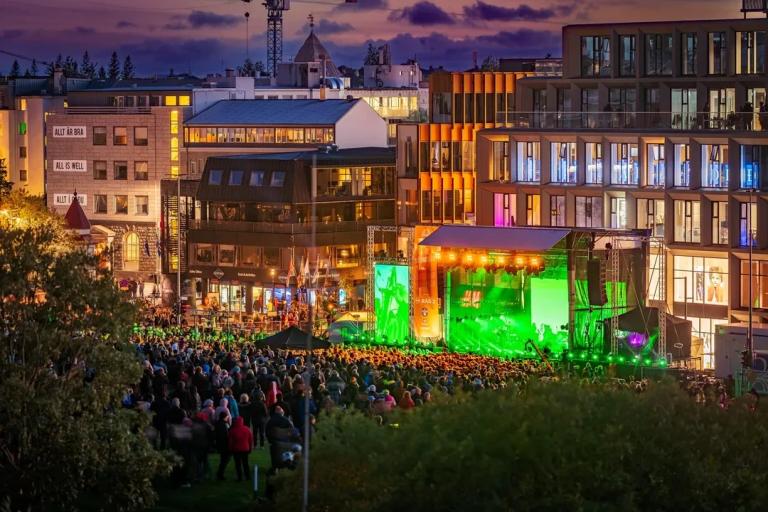 Menningarnótt (Culture Night) is Reykjavik's largest annual festival, held on the first Saturday after August 18 (the city's anniversary). In 2026, it falls on August 22. The event has been running since 1996 and regularly draws an estimated 100,000 attendees.
The entire city centre becomes a festival ground. Free concerts, art exhibitions, theatre performances, street food, and open museums run from morning until a fireworks display over the old harbour closes the night. The Reykjavik Marathon takes place the same day. Many streets in the centre are closed to car traffic.
For newcomers to Reykjavik, Menningarnótt is one of the easiest entry points into Icelandic cultural life. Everything is free, the atmosphere is welcoming, and you can wander from event to event at your own pace. Check the programme at reykjavik.is or browse upcoming events on our events page.
Réttir: the autumn sheep roundup
Réttir is not a public holiday, but it is one of Iceland's most deeply rooted traditions. Every September, farming communities across Iceland round up sheep that have spent the summer grazing freely in the highlands.
The roundup itself is hard physical work, done on foot, on horseback, and with the help of Icelandic sheepdogs. It can take days. Once the sheep are brought down, they are sorted in circular pens called réttir (the word refers to both the event and the pens), where farmers identify their animals by ear markings and separate them into individual stalls.
After the work is done, communities celebrate with a réttaball (roundup dance), featuring food, singing, and socialising. The tradition dates back to the original Norse settlement of Iceland over a thousand years ago. For newcomers, attending a réttir is a remarkable window into rural Icelandic life. Some tour operators offer day trips, but you can also contact local farmers directly to ask if help is welcome. If you participate, follow the farmers' lead: do not run into the pens and start grabbing sheep on your own.
For more on what makes rural Iceland distinctive, see our guide to living outside Reykjavik.
Christmas season and the Yule Lads
Christmas (Jól) is the biggest of all Icelandic holidays. Preparations begin in late November and the season runs through January 6. Several uniquely Icelandic traditions set it apart.
The 13 Jólasveinar (Yule Lads)
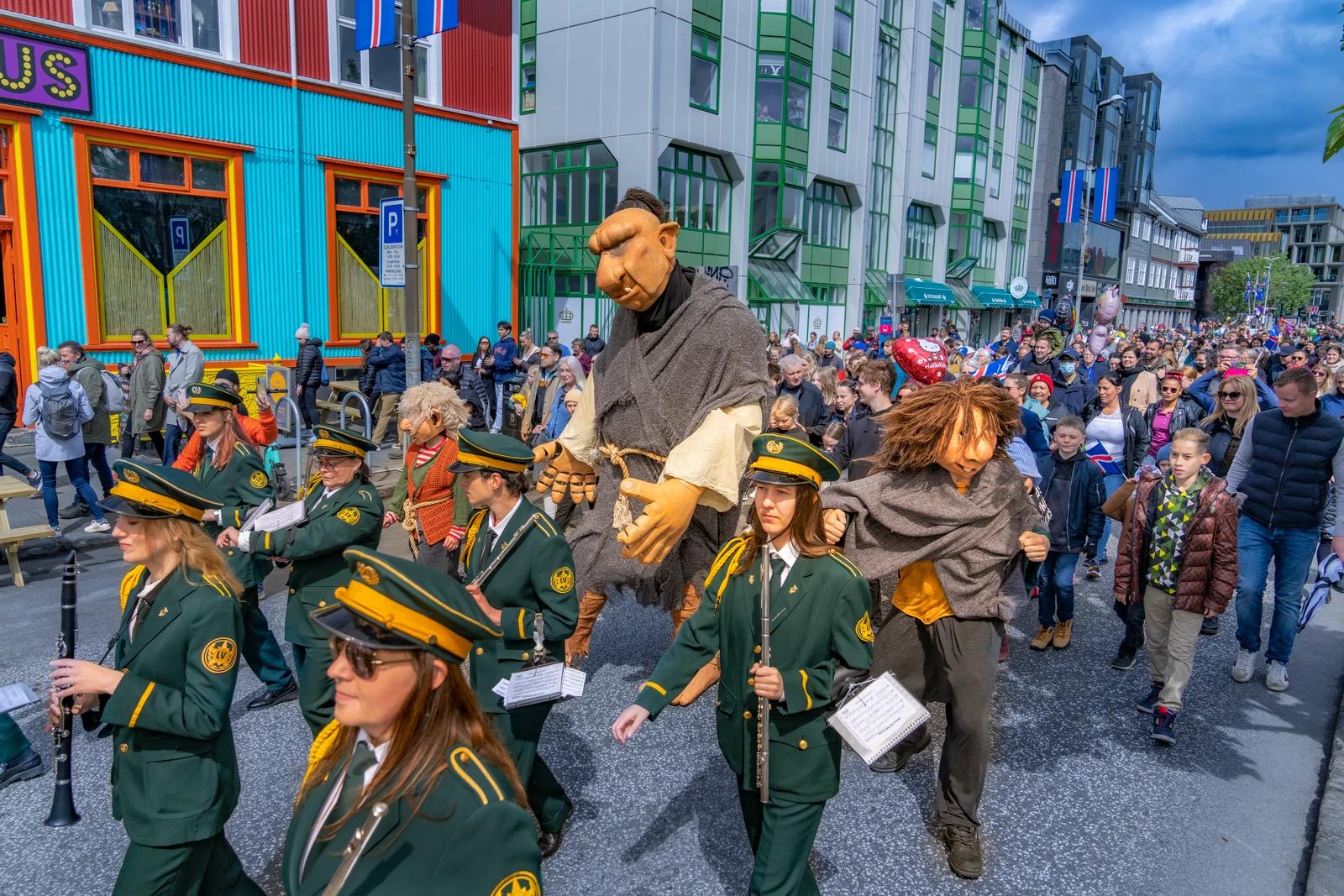
Iceland does not have one Santa Claus. It has 13 Jólasveinar (Yule Lads), mischievous troll-like figures from Icelandic folklore who descend from the mountains one by one during the 13 nights before Christmas, starting December 12. Each has a name describing his particular trick: Stekkjastaur (Sheep-Cote Clod) harasses sheep, Þvörusleikir (Spoon Licker) steals spoons to lick, Hurðaskellir (Door Slammer) slams doors at night, and so on, through to Kertasníkir (Candle Stealer) on December 24.
Children place a shoe on their bedroom windowsill each evening. Good children find a small treat in the morning. Misbehaving children find a potato.
The Yule Lads' mother, Grýla, is a fearsome troll from Icelandic folklore who is said to catch naughty children and cook them in a cauldron. Their family pet, the Jólakötturinn (Yule Cat), is a giant black cat that, according to legend, eats people who have not received at least one new item of clothing before Christmas Eve. The Yule Cat tradition likely originated as motivation to finish processing the autumn wool before the holidays.
The modern depiction of the Yule Lads has softened considerably. They are now often shown in red-and-white outfits and described as gift-givers. But the older folklore is still widely known, and children do genuinely worry about the potato.
Þorláksmessa (December 23)
The feast of Saint Þorlákur, Iceland's patron saint, falls on December 23. It is traditionally a day of last-minute Christmas shopping. In Reykjavik, the main shopping streets fill with people well into the evening. The traditional meal is skata (fermented skate), which has a famously powerful smell. Not every household observes this one, but you will know if your neighbours do.
Jóladagakvöld (Christmas Eve)
Christmas Eve is the main event. The official half-day holiday begins after noon, and nearly everything closes by late afternoon. Families gather for a festive dinner (often hangikjöt, smoked lamb, or roast pork) and exchange presents at 6 PM. The evening is strictly family time.
Jólabókaflóð (the Christmas Book Flood)
Iceland has a strong literary tradition, and Jólabókaflóð is the custom of giving books as Christmas presents. Publishers release the majority of new titles in November and December, and the annual book catalogue (Bókatíðindi) arrives in every household. Reading a new book on Christmas Eve after opening gifts is a beloved ritual.
New Year's Eve
New Year's Eve (Gamlárskvöld) in Iceland is spectacular. It is a half-day holiday, with shops closing by early afternoon.
Community bonfires (brenna) are lit in neighbourhoods across the country earlier in the evening, typically around 8 PM. These are gathering points where neighbours socialise before heading home for dinner and the midnight countdown.
The evening continues with most families watching the annual comedy special Áramótaskaup on RÚV (the national broadcaster), a satirical review of the year that is an institution in Icelandic culture. At midnight, Icelanders set off enormous quantities of fireworks. This is not a municipal display: ordinary families buy and launch their own fireworks. The result is a country-wide eruption of colour visible from anywhere.
Þrettándinn: Twelfth Night (January 6)
Þrettándinn (Twelfth Night) marks the last day of the Icelandic Christmas season. On the evening of January 6, communities gather around bonfires, and some towns hold fireworks displays to close out the holidays. According to folklore, this is the night the last Yule Lad returns to the mountains and the elves are on the move. In some parts of Iceland, locals dress up and march with torches. After Þrettándinn, Christmas decorations come down and daily life resumes.
Other dates worth knowing
A few more observances that are not major holidays but shape the Icelandic calendar, especially for newcomers.
Vetrarhátíð (Winter Lights Festival, early February). A multi-day festival in Reykjavik that brightens the darkest stretch of winter with light installations across the city, Museum Night (free admission to dozens of museums and galleries), and Pool Night (free entry to geothermal pools). In 2026, the festival runs February 5 to 8. It is a modern event rather than a centuries-old tradition, but it is one of the best winter experiences in Reykjavik.
Dagur íslenskrar tungu (Icelandic Language Day, November 16). Celebrated on the birthday of poet Jónas Hallgrímsson, this day honours the Icelandic language. Schools hold events, and an annual award is given for contributions to the language. For newcomers, it is a useful reminder of how seriously Icelanders value their language and its preservation. For more on what learning Icelandic involves, see our guide to learning Icelandic.
Fullveldisdagurinn (Sovereignty Day, December 1). This flag day marks the 1918 Act of Union with Denmark, when Iceland became a sovereign state (full republic status came in 1944, celebrated on National Day). The Icelandic flag was officially raised for the first time on this date. It is not a public holiday, though there have been recent proposals in parliament to make it one.
Practical tips for newcomers
Icelandic holidays affect daily life in ways that can catch newcomers off guard. A few things to keep in mind.
Shop closures. On official public holidays, supermarkets are either closed or have very limited hours. Stock up the day before, especially for the Easter and Christmas periods. The smallest convenience stores are more likely to stay open.
Alcohol purchases. Iceland's state-run liquor stores, Vínbúðin, close on all public holidays and often have reduced hours on the days before major holidays. Plan ahead for Easter, Christmas, and National Day.
Public transport. Strætó bus services run on reduced schedules (or not at all) on major holidays. Check straeto.is for holiday timetables.
Workplace culture. Most Icelandic workplaces close on public holidays. Some collective agreements grant additional time off on half-days (December 24 and 31). Ask your employer about your specific holiday entitlements.
Participation. You do not have to eat fermented shark or roll in the dew to participate. Showing up to community events, trying a cream bun on Bolludagur, or watching the New Year's fireworks from a good vantage point are all ways to connect with the culture at your own pace. For more on building social connections in Iceland, see our guide to making friends.
For more context on life in Iceland as a newcomer, read our complete relocation guide.
Frequently asked questions
How many public holidays does Iceland have?
Iceland has 14 official public holidays per year, plus two half-day holidays (Christmas Eve and New Year's Eve). Several widely celebrated traditions, like Bóndadagur, Bolludagur, and Beer Day, are cultural observances rather than official holidays, so businesses operate normally on those days.
Do shops close on Icelandic public holidays?
Most shops close on official public holidays. Supermarkets typically close entirely or open for very limited hours. Convenience stores, petrol stations, and tourist-oriented businesses are more likely to stay open. Always check hours in advance during Easter and Christmas, when closures extend across multiple consecutive days.
What is Þorrablót, and should I try the food?
Þorrablót is a midwinter feast tradition held during the month of Þorri (late January to late February). The food includes preserved Icelandic specialties like fermented shark, smoked lamb, and pickled ram's testicles. If you are curious, many restaurants in Reykjavik offer þorramatur menus during the season, and supermarkets sell packaged trays. There is no obligation to eat everything on the plate, and most events offer milder options.
What are the Yule Lads?
The Jólasveinar are 13 troll-like figures from Icelandic folklore who each visit in the 13 nights before Christmas. Children place a shoe on their windowsill and receive a small gift (or a rotten potato for bad behaviour). They are Iceland's version of Santa Claus, though the original folklore is considerably darker. Their mother, Grýla, and the family cat, Jólakötturinn, are also well-known characters.
When is the best time to visit Iceland to experience local traditions?
That depends on what interests you. Icelandic holidays and traditions are spread across the full year. Mid-January through February covers Þorrablót and the pre-Lent food days. Late April has the First Day of Summer. June offers both National Day and Jónsmessa. September brings Réttir. December is the Yule Lads and Christmas. Each period has its own character.
Does Iceland celebrate Halloween?
Not as a public holiday, but Halloween has become increasingly popular, especially among children and young adults. Costumes and parties are common on October 31. Iceland's own version of trick-or-treating happens earlier in the year on Öskudagur (Ash Wednesday), when costumed children collect candy from shops.
Last updated: March 2026


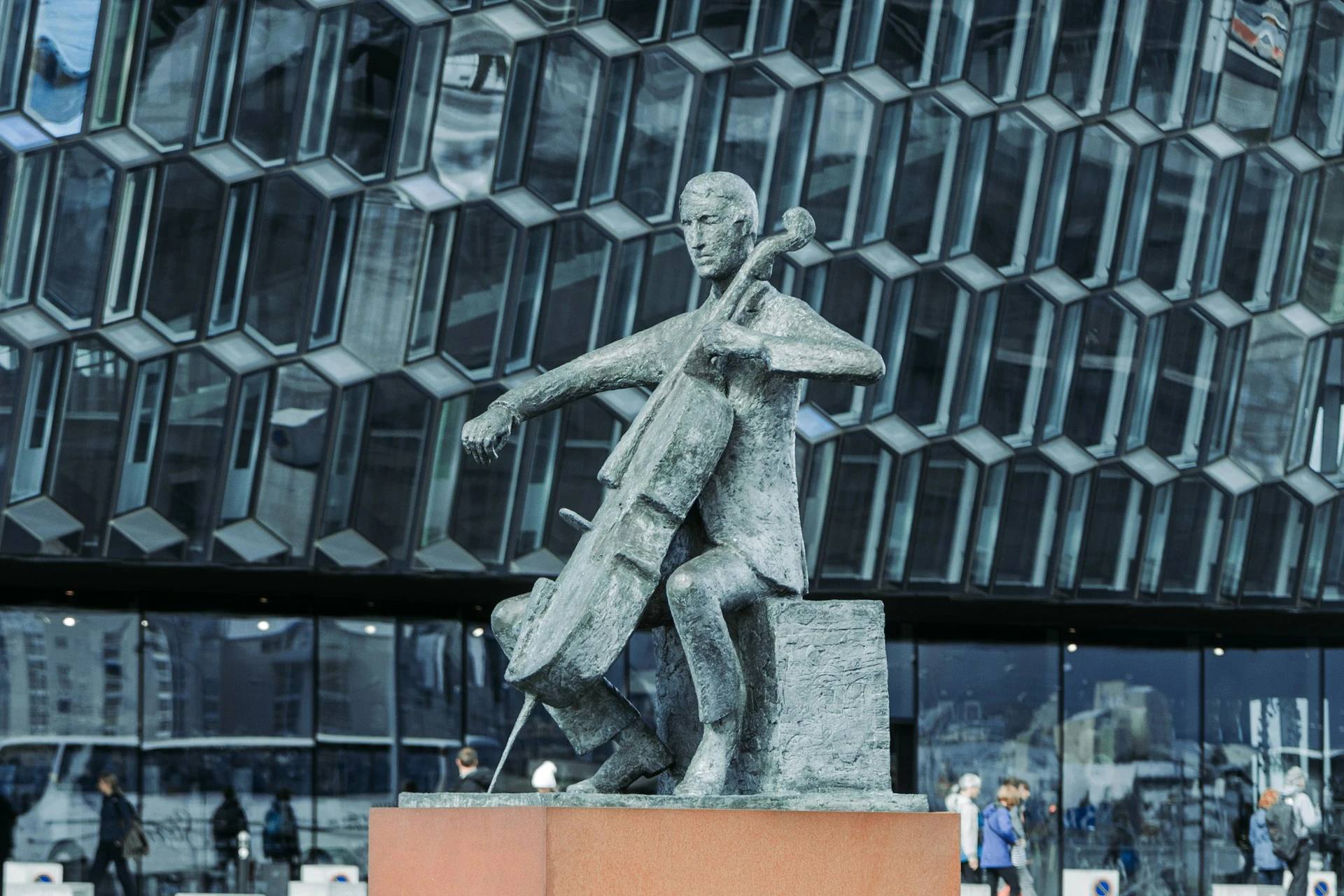
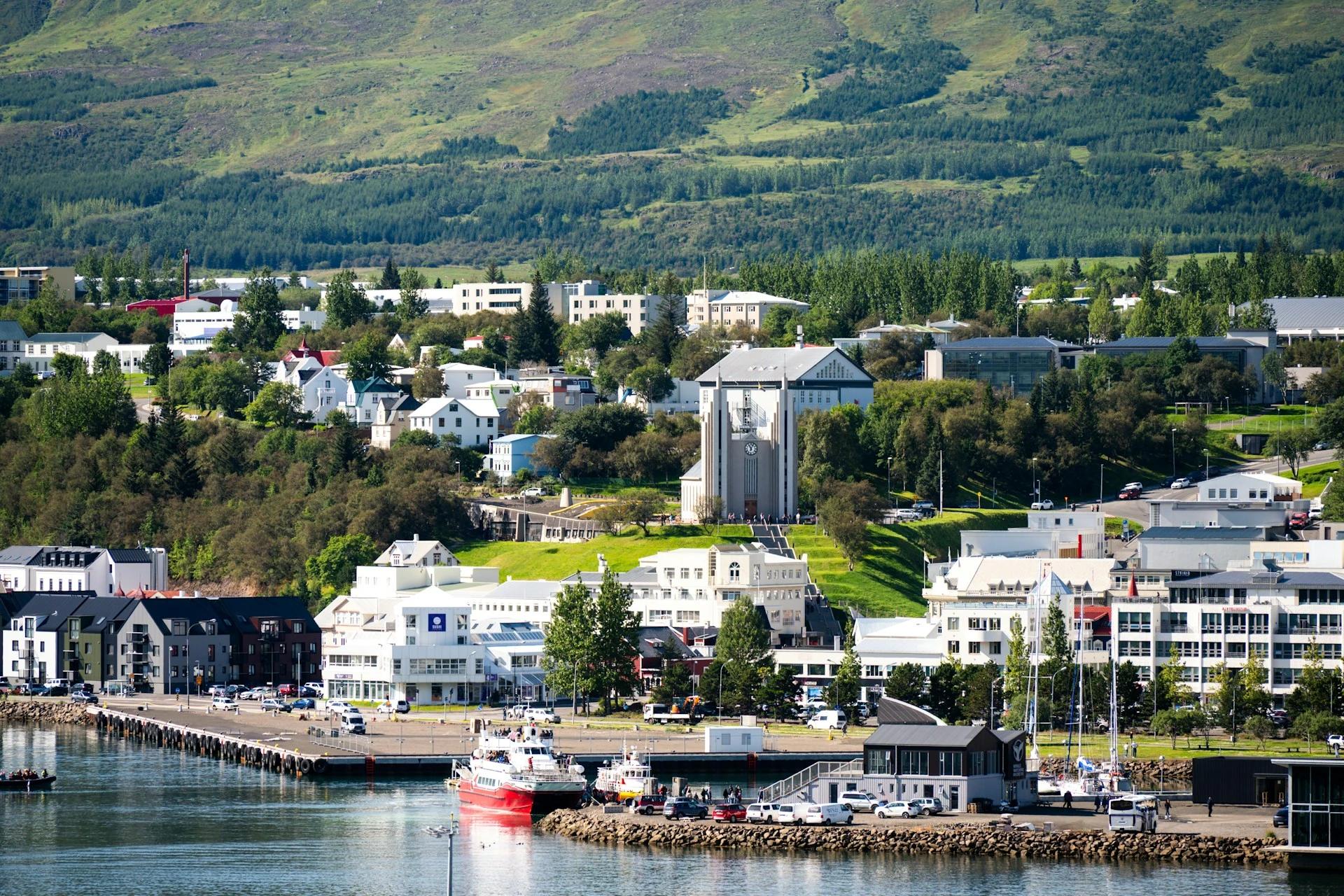
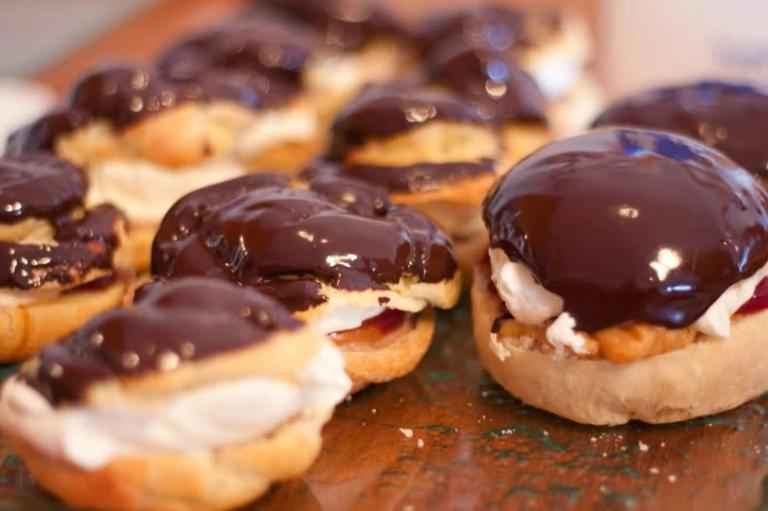 In the seventh week before Easter, three consecutive days of food-focused celebration take over. In 2026, these fall on February 16, 17, and 18.
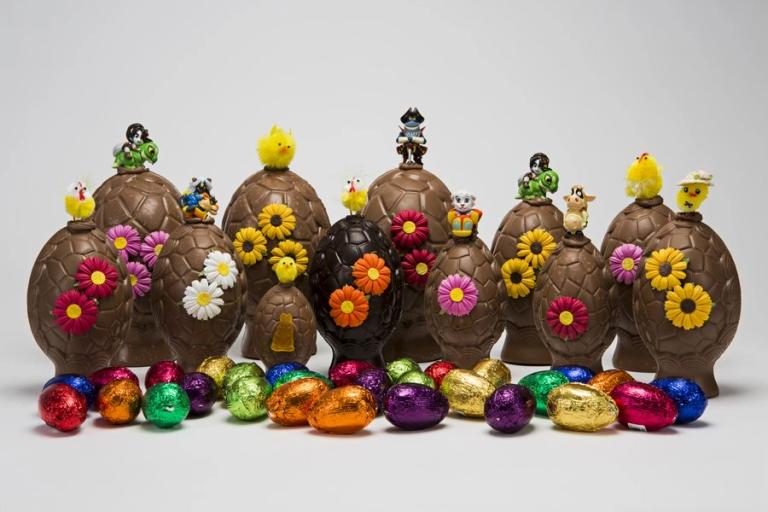 Easter (Páskar) is a major holiday in Iceland, with four consecutive public holidays from Maundy Thursday through Easter Monday. In 2026, this runs from April 2 to April 6.
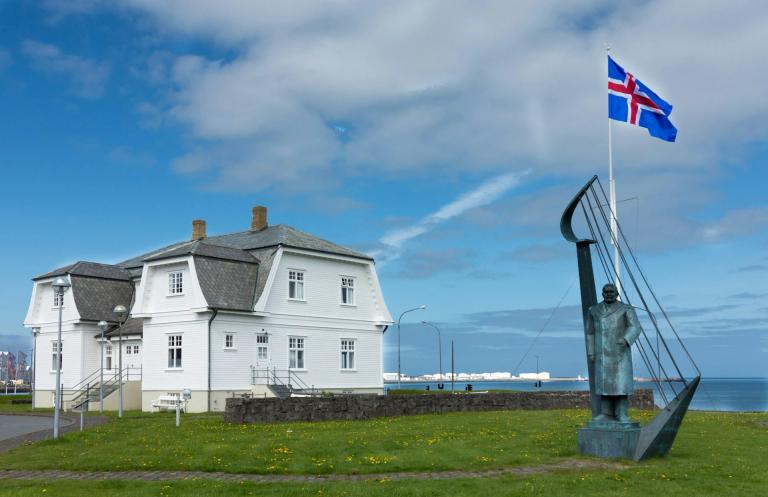 June 17 is Þjóðhátíðardagurinn, Iceland's National Day, celebrating the establishment of the Republic of Iceland in 1944 (Iceland had been a sovereign kingdom in personal union with Denmark since 1918, and became a fully independent republic on this date). June 17 was chosen because it is the birthday of Jón Sigurðsson, the leader of Iceland's 19th-century independence movement.