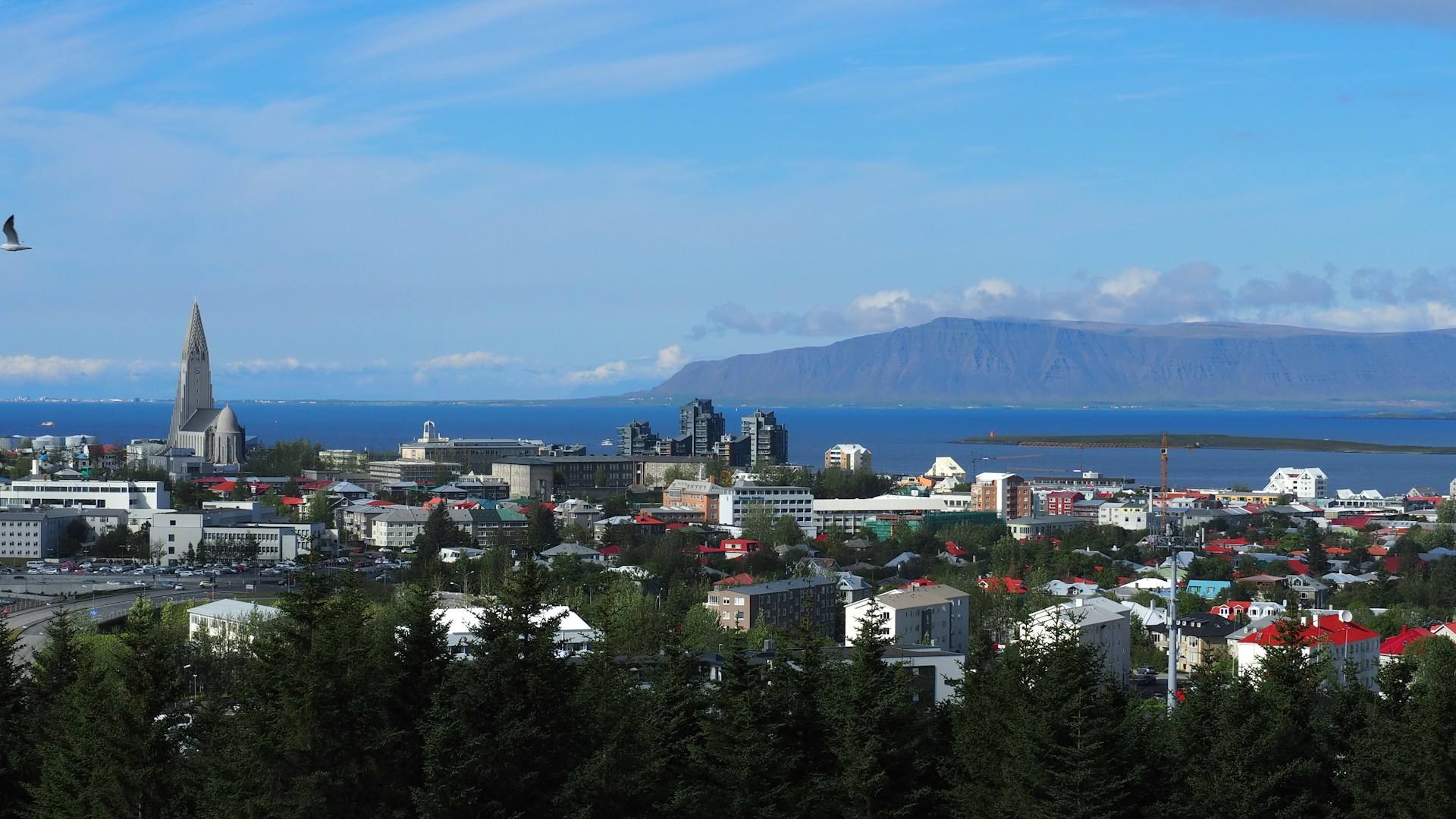
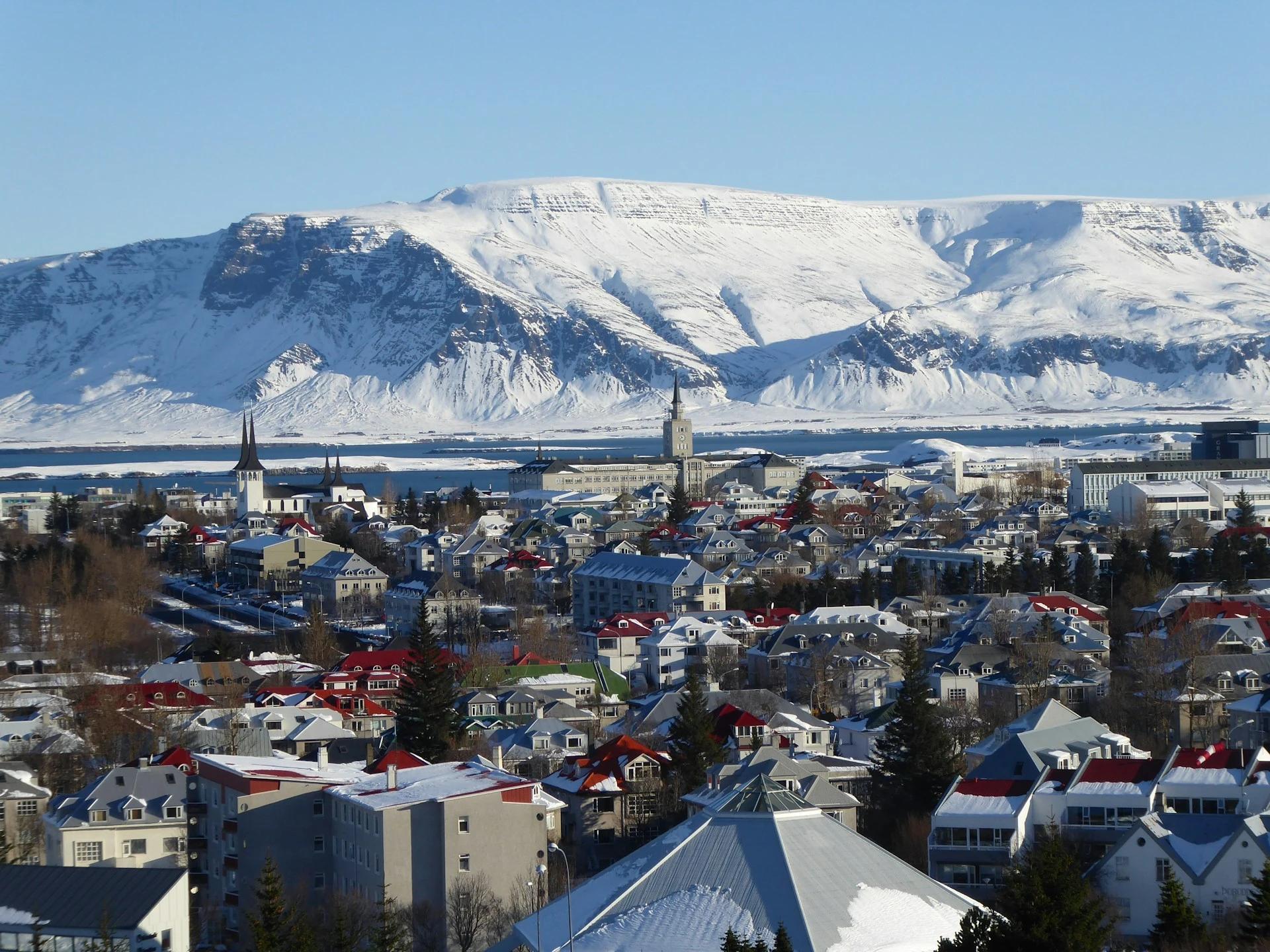
Iceland's F-roads open in summer for highland driving, and the midnight sun makes June and July feel limitless. Our F-roads guide and gyms and fitness guide cover outdoor and fitness options across the country.
The cons of living in Iceland
High cost of living
There is no way to soften this: Iceland is expensive. Groceries cost roughly 30 to 50% more than in Western Europe and 40 to 60% more than US averages.
A liter of milk runs 200 to 260 ISK, a kilogram of chicken breast around 2,000 to 2,800 ISK (as of 2025). A single beer at a bar costs 1,500 to 2,000 ISK ($11 to $14 USD).
A realistic monthly budget for a single person in Reykjavik (as of 2025):
That is roughly $2,700 to $4,000 USD per month. Wages are proportionally high (the median full-time salary is around 753,000 ISK gross, as of 2024), but savings accumulate slowly.
Our cost of living guide and grocery costs guide break these numbers down further.
Dark winters and seasonal adjustment
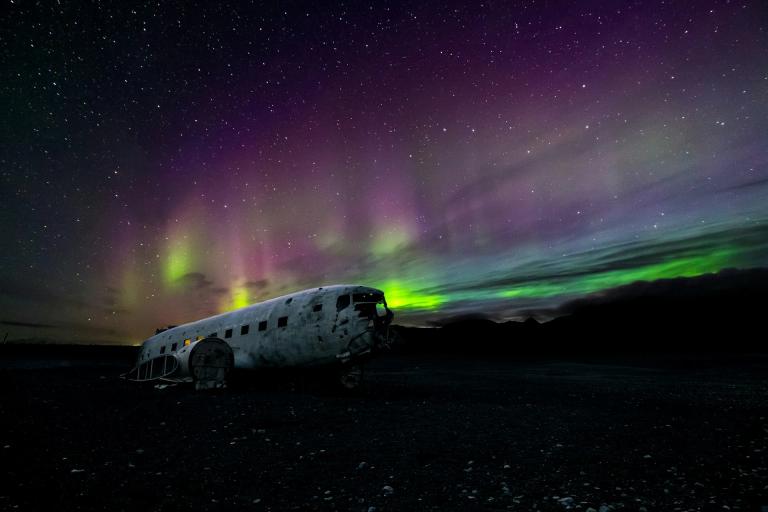 From late November to mid-January, Reykjavik gets only 4 to 5 hours of daylight. In December, the sun rises around 11:30 and sets before 15:30.
The darkness is not just an inconvenience. It affects mood, energy, and motivation in ways most newcomers underestimate.
Seasonal affective disorder is common among both Icelanders and immigrants. Vitamin D supplementation is standard. Many people use light therapy lamps during the darkest months.
The flip side is real: summer brings near-24-hour daylight from late May through July, and the energy that comes with it is extraordinary. But the winters are the price of admission, and they test even committed residents. Our mental health guide covers coping strategies and available support.
Small and competitive job market
Iceland's total workforce is around 220,000 people. The economy is concentrated in a handful of sectors: tourism, fisheries, energy, construction, healthcare, and a growing tech sector. The registered unemployment rate was 4.9% as of January 2026.
For non-EEA citizens, finding work is especially difficult because employers must sponsor a work permit and demonstrate that no EEA citizen could fill the role. Even for EEA citizens, English-only positions are limited outside tourism and IT.
In a country this small, networking matters enormously. Many jobs are filled through personal connections before they are ever posted publicly.
This is a significant adjustment for people coming from larger, more formal job markets. See our job search guide and in-demand jobs guide for realistic strategies.
The housing shortage
The rental market in Reykjavik is tight. Vacancy rates are low, demand is high, and prices have risen steadily. Most rental listings appear on Facebook groups rather than any centralized platform, which makes searching from abroad frustrating.
Deposits are typically 1 to 3 months' rent, paid upfront. Scams involving fake listings that ask for payment before viewing are common enough to warrant caution.
Finding housing from abroad is genuinely difficult. The standard approach: book temporary accommodation for 2 to 4 weeks and apartment-hunt after arriving. Our rental guide and rent cost guide cover the process and current pricing.
The Icelandic language
Most Icelanders speak excellent English, and you can manage daily life in Reykjavik without Icelandic for a while. But "managing" and "building a life" are different things.
Icelandic is grammatically complex: four cases, three genders, extensive verb conjugation. Expect 1 to 2 years of consistent study before reaching conversational fluency. Government-funded courses are available for immigrants, often free or heavily subsidized, but the learning curve is steep.
Without Icelandic, career advancement is limited in most sectors, and social integration outside the expat community becomes harder. Official documents, school communications, and local news are primarily in Icelandic.
It is possible to live here long-term without it, but doing so narrows your world significantly. Our learning Icelandic guide covers courses, apps, and realistic timelines.
Geographic isolation
Iceland is a small island in the North Atlantic, roughly 3 hours by air from mainland Europe and 5 hours from the US East Coast. The only alternative to flying is a weekly ferry (Smyril Line, from Hirtshals in Denmark to Seyðisfjörður in East Iceland), which takes about two days each way.
Flights are limited compared to major European hubs. Direct routes connect Reykjavik primarily to Scandinavia, the UK, and a handful of North American and European cities. If your family lives in Asia, South America, or Africa, visits involve long, expensive journeys with layovers.
Consumer goods that require importing (which is most things) are expensive and sometimes limited in selection. Certain foods, specialty products, and international brands that feel standard elsewhere are either unavailable or carry a significant markup.
Social integration takes time
Icelanders are friendly but have established social circles that can be hard to break into. The common experience among immigrants: people are polite and welcoming, but deep friendships develop slowly.
The most reliable approach is structured social settings. Joining a sports club, a choir, a volunteer organization, or regular swimming pool visits creates the repeated interactions that build relationships over months.
The expat community in Reykjavik is active and supportive, but relying on it exclusively can prevent the deeper integration that makes Iceland feel like home rather than a posting. Our guides on Icelandic culture and making friends go deeper on both topics.
So is it worth it?
The honest answer: it depends entirely on what you value.
If safety, clean air, strong public services, work-life balance, and access to extraordinary nature rank high on your list, Iceland delivers on those in ways few countries can match. The trade-offs are real and ongoing: the cost, the darkness, the isolation, the small social world. None of those go away after the first year.
The people who thrive here tend to share certain traits: comfort with solitude, a preference for being outdoors regardless of weather, and willingness to learn a difficult language. They do not need a large city's variety of food, entertainment, and social options to feel satisfied.
Iceland is not for everyone, and there is no shame in deciding it is not for you. But for the right person, the quality of life is hard to beat.
Ready to start planning? Our pillar guide to moving to Iceland covers every step of the process, from visas to first-week logistics. For budgeting, use our cost of living breakdown.
Frequently asked questions
Is living in Iceland worth the high cost?
For many residents, yes. The high salaries, universal healthcare, free education, and safety offset the high prices.
The median full-time salary of 753,000 ISK gross (as of 2024) reflects an economy where wages are calibrated to the cost of living. Whether the math works for you depends on your field, earning potential, and lifestyle expectations.
How bad are the winters in Iceland?
The darkness is the hardest part. Reykjavik gets only 4 to 5 hours of daylight in December and January, and the limited light can affect mood and energy.
Temperatures are milder than most people expect, hovering around 0°C (32°F) in Reykjavik thanks to the Gulf Stream. The wind and rain are more persistent than the cold.
Can I live in Iceland without speaking Icelandic?
In the short term, yes. English is widely understood, especially in Reykjavik and in tourism-related industries.
Long term, lacking Icelandic limits career options, social integration, and the ability to engage fully with local life. Government-funded language courses are available for immigrants.
Is Iceland a good place to raise children?
By most measures, yes. Low crime, free education from preschool through university, universal healthcare, generous parental leave, and a culture that prioritizes outdoor play and independence make it one of the stronger environments for families. The main challenges are long daycare waitlists in Reykjavik and the transition to Icelandic-language schooling.
What do people miss most after moving to Iceland?
Common answers: variety and convenience of food options, proximity to family, affordable dining out, reliable sunshine, and the social ease of a larger city. Iceland's small size means fewer choices in retail, entertainment, and cuisine compared to most European capitals.
Is it easy to make friends in Iceland?
Not immediately. Icelanders tend to have close-knit social circles from childhood. The most successful approach is joining structured activities like sports clubs, swimming pools, or volunteer groups that create repeated, natural social contact over time.
Last updated: March 2026